Facial redness and breakouts can be distressing, often leading to confusion about their root cause. Many people mistake rosacea for acne, as both conditions can present with bumps and inflammation. However, understanding the distinctions between rosacea and acne is fundamental to finding an effective treatment path. While acne is typically linked to clogged pores and bacteria, rosacea is a chronic inflammatory condition characterized by persistent redness and flushing. Identifying your specific condition correctly is the essential first step toward managing symptoms and achieving clearer, healthier skin.
At Doral Health & Wellness, we are committed to providing precise diagnoses and expert medical care for all skin conditions. Our specialists offer comprehensive evaluations to help you understand your symptoms and create a personalized treatment plan. We are here to deliver the trusted guidance and support you require.
Distinguishing Between Rosacea and Acne
Though they may appear similar at first glance, rosacea and acne are distinct skin conditions with different underlying causes, symptoms, and treatment protocols. A proper diagnosis is crucial because treatments for one condition can sometimes worsen the other.
What is Rosacea?
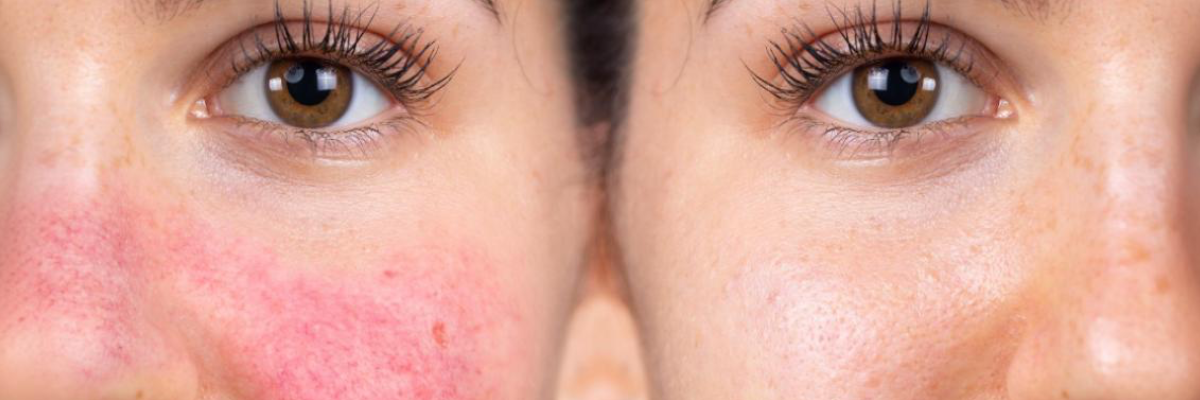
Rosacea is a chronic inflammatory skin condition that primarily affects the central face. It is characterized by persistent redness, flushing, visible blood vessels, and sometimes bumps and pimples that resemble acne. Unlike acne, rosacea does not involve blackheads (comedones). Symptoms often appear in cycles, flaring up for weeks or months and then diminishing for a while.
Key symptoms of rosacea include:
- Persistent facial redness – A constant blush-like redness across the nose and cheeks.
- Flushing – Skin that turns red for short periods.
- Bumps and pimples – Red, swollen bumps that may contain pus, but no blackheads.
- Visible blood vessels (telangiectasias) – Small blood vessels become visible on the skin.
- Eye irritation (ocular rosacea) – Watery or bloodshot eyes, stinging, and burning.
- Skin thickening (rhinophyma) – In rare, severe cases, the skin on the nose may thicken and become bumpy.
What is Acne?
Acne is a skin condition that occurs when hair follicles become clogged with oil (sebum) and dead skin cells. This blockage can lead to the formation of various lesions, including whiteheads, blackheads, papules, pustules, nodules, and cysts. It is most common among teenagers but can affect people of all ages. The presence of blackheads is a key feature that distinguishes acne from rosacea.
Key symptoms of acne include:
- Comedones – Clogged pores, appearing as whiteheads (closed) or blackheads (open).
- Papules – Small, red, tender bumps.
- Pustules – Papules with pus at their tips.
- Nodules – Large, solid, painful lumps beneath the skin’s surface.
- Cystic lesions – Painful, pus-filled lumps beneath the skin’s surface.
Uncovering the Causes and Triggers
The origins of rosacea and acne are different, which explains why their treatments must be tailored.
Understanding Rosacea Triggers
The exact cause of rosacea is unknown, but it is believed to be a combination of hereditary and environmental factors. It is not caused by poor hygiene. Rosacea flare-ups are often triggered by specific factors that increase blood flow to the surface of the skin. Common triggers include:
- Spicy foods and hot drinks
- Alcohol, especially red wine
- Extreme temperatures
- Sunlight or wind
- Stress and strong emotions
- Certain skincare products
Understanding Acne Causes
Acne is primarily caused by four interconnected factors:
- Excess oil (sebum) production
- Hair follicles clogged by oil and dead skin cells
- Bacteria (Propionibacterium acnes)
- Inflammation
Hormonal changes, particularly during puberty, menstruation, and pregnancy, can exacerbate acne by increasing sebum production.
Seeking Professional Diagnosis and Treatment
Self-diagnosing skin conditions can be unreliable and may lead to using incorrect products that worsen your symptoms. If you are struggling with persistent redness or breakouts, consulting a specialist is the most reliable course of action. A dermatologist can perform a thorough examination, provide an accurate diagnosis of rosacea or acne, and recommend an appropriate treatment plan. For those with urgent concerns, finding a dermatology clinic open now can provide timely and necessary care.
Treatment for Rosacea
Managing rosacea involves a combination of gentle skincare, trigger avoidance, and medical treatments. A dermatologist may recommend:
- Topical medications to reduce redness and inflammation (e.g., metronidazole, azelaic acid).
- Oral antibiotics to control bumps and pustules.
- Laser therapy to reduce persistent redness and visible blood vessels.
- Lifestyle modifications to identify and avoid personal triggers.
Treatment for Acne
Acne treatment aims to reduce oil production, unclog pores, fight bacteria, and decrease inflammation. Depending on the severity, a specialist might suggest:
- Topical retinoids to prevent clogged pores.
- Topical or oral antibiotics to kill bacteria and reduce inflammation.
- Hormonal therapies, like birth control pills, for women.
- Isotretinoin (formerly Accutane) for severe, cystic acne.
- Professional procedures, such as chemical peels or extractions.
For individuals with stubborn breakouts, finding the best dermatologist for acne in Brooklyn can be a critical step toward achieving clear skin. A specialist can offer advanced therapies that are not available over the counter. With a dermatology clinic open now, you can get the help you need without delay. For those seeking expert care, connecting with the best dermatologist for acne Brooklyn ensures a treatment plan tailored to your specific needs.
Take the First Step Toward Clearer Skin
Living with persistent skin conditions like rosacea or acne can be challenging, but you do not have to manage them on your own. Accurate diagnosis is the cornerstone of effective treatment, and a professional can provide the clarity and guidance needed to restore your skin’s health. By understanding your condition and working with a specialist, you can find lasting relief and regain your confidence.
If you are struggling with facial redness, breakouts, or inflammation, we encourage you to seek a professional evaluation. To receive a comprehensive diagnosis and a personalized care plan, contact Doral Health & Wellness today at 1-718-365-2555 or visit us at 1797 Pitkin Avenue, Brooklyn, New York 11212. For general information about Doral Health & Wellness services, you can contact or email info@doralhw.org.