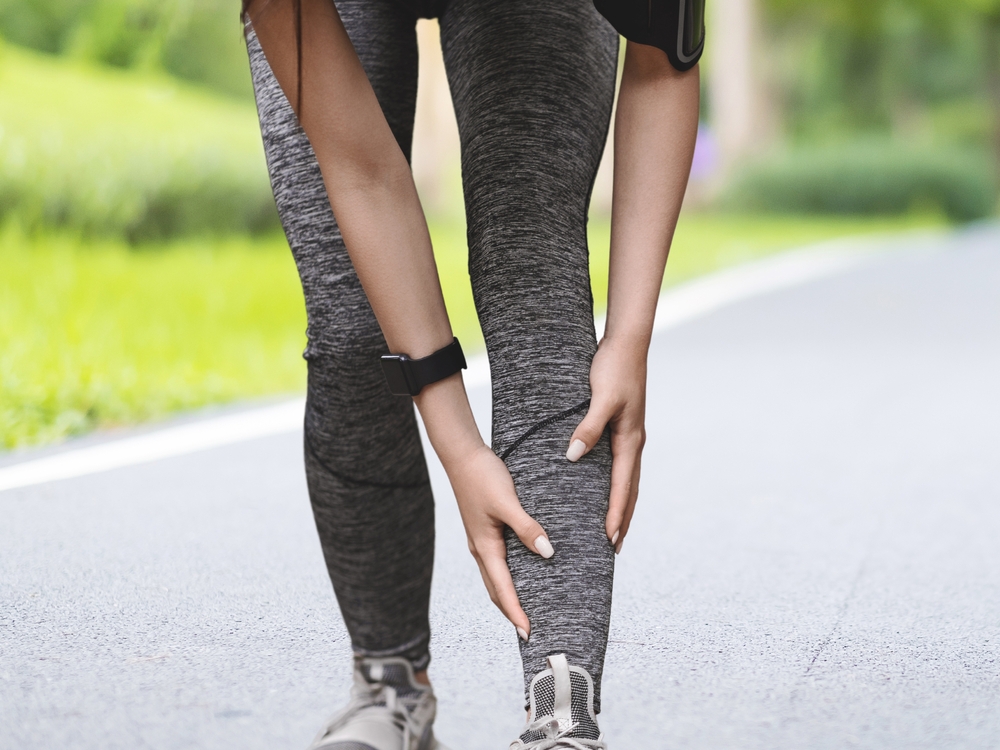
Are you experiencing pain suddenly in the muscle or bone in the lower leg during physical activity? If yes, you may have developed shin splints. It is a term used to describe pain felt in the front of your lower leg at the shin bone. This pain happens in the lower leg between the knee and ankle. It is also known as medial tibial stress syndrome (MTSS). This is not a severe problem, however, ignoring pain and continuing to work out increases the risk of stress fractures. Learn what causes shin splints and treatment options in this article. Log on to www.doralhw.org for a consultation.
Causes
Shin splints happen due to repeated stress on the shin bone by pulling and tugging the muscles and connective tissues in your lower leg. Frequent repetitive intense pressure from running and jumping causes inflammation and weakens the shin bone. When the bone doesn’t get enough time to heal, the damage gets worse and leads to severe pain. This repeated stress can happen due to many reasons such as:
• Frequency changes (such as increasing the number of days you work out each week).
• Duration changes like running longer distances.
• Intensity changes like running on hills after running on flat surfaces.
Shin splints also happen due to stress from bone fractures. The constant pressure can cause minute cracks in the bones of the leg which need more time to repair. However, if the body doesn’t get enough time to rest, these tiny cracks become complete fractures or stress fractures.
Symptoms
Shin splints cause some of the following symptoms:
• Dull or sharp ache in the front part of the lower leg.
• Pain occurs during exercise or may get worse after exercise.
• Pain can occur on either side of the shin bone.
• Muscle pain.
• Tenderness or soreness on the lower leg.
• Swelling in the lower leg.
• Numbness and weakness in the feet.
Treatment
Usually, shin splint treatment is given with home remedies that allow the bones and muscles time to heal. It includes:
• Rest:
Taking a break from sports, running, and other activities allows your muscles and bones a chance to recover. You should rest for a few weeks or longer. Additionally, you can replace your high-intensity activity with aerobic activity during your recovery such as swimming, using a stationary bike, or an elliptical trainer.
• Ice:
You can use a cold compress on your shins for 10 to 20 minutes, several times a day. It helps you reduce the swelling and pain. However, don’t apply ice directly to the skin.
• Pain relievers:
You can take over the counter (OTC) NSAID (Nonsteroidal anti-inflammatory drugs) medications like ibuprofen, aspirin, and naproxen to reduce pain and swelling.
• Flexibility exercises:
Some gentle stretching and flexing of your lower leg muscles can make your shins feel better.
• Supportive shoes:
Wearing shoes with good cushioning during your physical or other activities can help reduce the stress in your shins.
• Orthotics:
People who have flat feet or recurrent problems with shin splints may find orthotics beneficial to relieve the pain of shin splints. Using orthotics can help you align and stabilize your foot and ankle, which reduces stress on the muscles and bones in your lower leg.
• Physical therapy:
Physical therapy can help you strengthen your legs and reduce the risk of repeated injury when you start becoming active again.
• Compression:
You can use an elastic compression bandage to prevent additional swelling.
• Return to exercise:
When you decide to be active again after taking rest and other home remedies make sure you are pain-free for at least 2 weeks. Start slowly with your activities to lower the risk of shin splints returning.
If shin splints are causing severe pain and symptoms last longer than some months, then your doctor may recommend surgery. For shin splints, fasciotomy surgery is used, in which the doctor makes small cuts on fascia tissue surrounding your calf muscles to relieve the pain caused by shin splints.
Prevention
Preventing shin splints completely is not possible, however, you can lower the risk of developing the condition and making it worse. To reduce the risk, you can follow these prevention tips:
• Wear supportive shoes when exercising: If you’re a runner, use running shoes. You can also consider wearing orthotic inserts to support your arches. You can buy them from shoe stores that help you find the match for your foot type with a proper running shoe or orthotic.
• Start gradually and increase your activity level and intensity over time: Don’t increase the intensity and level of activity suddenly. Instead follow the 10% rule, which means increasing 10% activity level per week. For example, if you run 5 miles in one week, only add a half mile to your total mileage of the following week.
• Stretch your muscles properly to warm them up before exercising.
• Avoid hard, uneven, or hilly surfaces when you’re running. If you run often, consider adding low-impact exercises like swimming to your exercise program to give your legs a break from the stress of running, or do cross-training or take some days off.
• Take a break between activities to allow your muscles and bones time to heal.
• Use pain as a guide to understand shin pain and lower your activity level until it gets better. Don’t try to push through the pain because later it gets worse.
Shin splints are quite common in runners; however, they aren’t serious. But make sure you take a break and don’t start your activity until they heal. Otherwise, it can increase the risk of a stress fracture. If your pain doesn’t get better after rest or home remedies, then you should seek a doctor’s help.
If you need help with your shin splint pain, visit our podiatry clinic in Brooklyn to get professional medical help. Call us to book your appointment now!!!
Doral Health & Wellness employs Podiatrists with extensive education and expertise. Trauma to the tendons, muscles, and bones of the foot is quite common, as are infections secondary to systemic diseases. It’s not a promising idea to put off seeing Foot Doctor Brooklyn until you’re in a lot of pain. Our address is 1797 Pitkin Avenue, New York, NY 11212. To make an appointment, please call +1-347-384-5690 or send an email to info@mainwebsite.dialysisny.com.