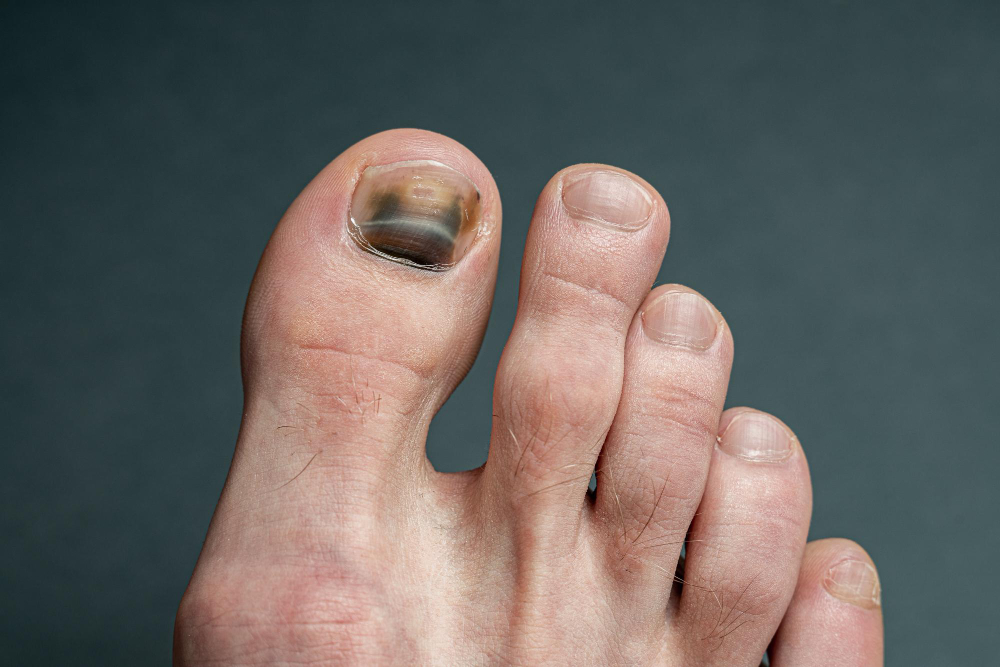
A subungual hematoma is a pool of blood that collects under the toenail, usually after an injury, and it often turns the nail black or purple. Subungual hematoma treatment depends on how much pressure has built up underneath the nail. When pain is severe and swelling covers more than a quarter of the nail bed, trephination, a small hole drilled into the nail to release pressure, may be needed. A podiatrist can determine the safest path forward.
A black toenail can be alarming, especially when the pain throbs with every heartbeat. That dark color usually means blood has collected beneath the nail after a stubbed toe, a dropped object, or hours spent in tight running shoes. The good news is that most cases heal on their own with simple care at home.
Still, some injuries need more than rest and ice. Knowing when a black toenail needs trephination can mean the difference between a few uncomfortable days and a lingering infection. This guide walks through what causes a subungual hematoma, how to recognize when professional treatment is necessary, and where to find reliable care close to home.
What Is a Subungual Hematoma?
A subungual hematoma forms when blood vessels under the toenail break and leak blood into the small space between the nail and the nail bed. That trapped blood has nowhere to go, so pressure builds, and the nail darkens as it fills with blood. It can happen from a sudden injury, like dropping something heavy on the foot, or from repeated stress, such as the toe repeatedly hitting the front of a shoe during long runs.
When Does a Black Toenail Need Trephination?
Not every black toenail requires a trip to the doctor. The deciding factor is almost always pain. If the pressure under the nail is mild and manageable, rest and home care are often enough. When the pressure becomes unbearable, trephination offers quick relief.
Signs That Trephination Is Necessary
You may need this procedure if you notice:
- Throbbing pain that will not ease: Pain that worsens with each heartbeat usually means pressure is building faster than the body can relieve it on its own.
- Blood covering more than 25 percent of the nail: Larger hematomas carry more pressure and a higher risk of nail loss without intervention.
- Signs of a possible fracture: Severe swelling or an oddly shaped toe alongside the hematoma may point to a broken bone underneath.
- A nail that feels tight or lifted: This often signals that fluid buildup is separating the nail from the nail bed.
What the Procedure Involves
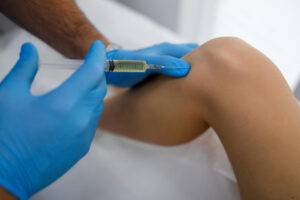
Trephination is a quick, in-office procedure. A podiatrist uses a heated wire or small needle to create a tiny opening in the nail, allowing trapped blood to drain. Most patients feel immediate relief from pressure, and the process takes only a few minutes with minimal discomfort.
Subungual Hematoma Treatment Options
Conservative Care
For smaller hematomas, subungual hematoma treatment at home usually includes rest, elevation, and icing the toe for the first 24 to 48 hours. Keeping the foot elevated helps reduce swelling, and loose-fitting shoes prevent added pressure while the area heals.
When to See a Podiatrist
If pain intensifies, the nail begins to separate, or signs of infection appear, such as redness, warmth, or drainage, it is time to see a podiatrist. Waiting too long can increase the risk of losing the nail entirely or developing a deeper infection in the toe.
Finding Support at a Podiatry Clinic in Brooklyn
You do not have to guess whether your injury needs professional attention. A podiatry clinic in Brooklyn can evaluate the toe, take an X-ray if a fracture is suspected, and perform trephination safely if the pressure calls for it. Local care also means faster appointments and easier follow-up visits while your toe heals.
Relief Is Closer Than You Think
A black toenail does not have to mean weeks of pain or uncertainty. With the right subungual hematoma treatment, most people feel noticeably better within a day or two. If your pain is severe, worsening, or simply will not let up, reach out to our podiatry team today by calling +1-718-367-2555 or visiting us at 1797 Pitkin Avenue, Brooklyn, NY 1121 to schedule an evaluation. Our team can evaluate your toe, perform trephination if needed, and guide you through a smooth recovery.