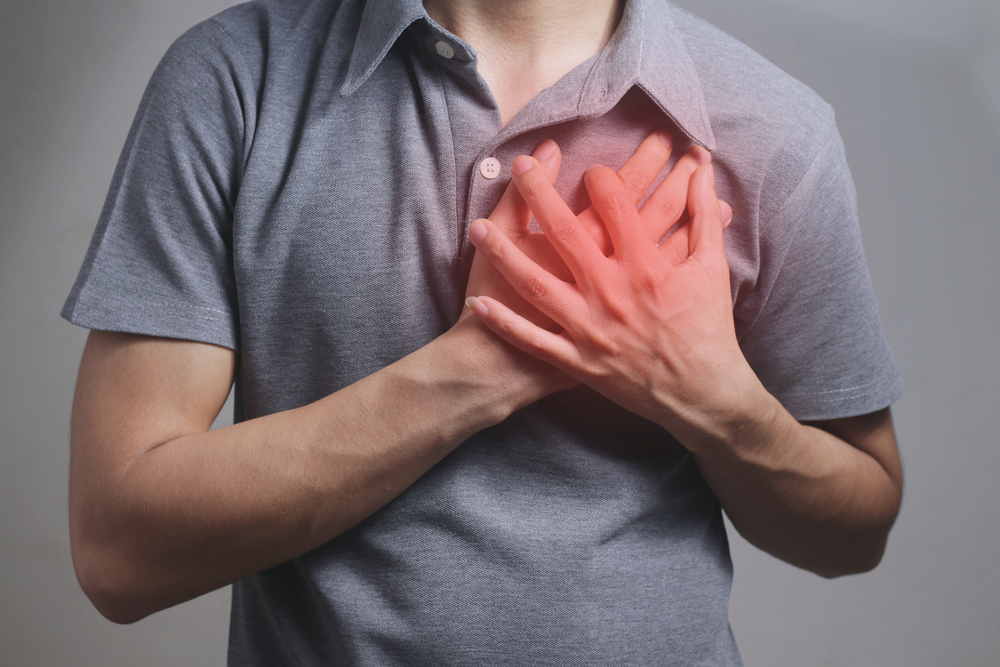
When a medical emergency strikes the heart, people often use terms interchangeably. You might hear someone say a person had a “heart attack” when their heart actually stopped beating suddenly. While both are life-threatening emergencies that require immediate medical attention, there is a fundamental distinction. Understanding the difference between sudden cardiac arrest and a heart attack is not just a matter of semantics—it is vital knowledge that dictates how you should respond to save a life.
A heart attack is essentially a “plumbing” problem, whereas sudden cardiac arrest is an “electrical” problem. Knowing which one is occurring determines whether the patient needs CPR immediately or if they are conscious enough to communicate their symptoms. Get a consultation with the best cardiologists in Brooklyn.
What is a heart attack?
A heart attack, medically known as a myocardial infarction, occurs when blood flow to the heart is blocked. The heart muscle requires oxygen-rich blood to function. If a coronary artery becomes blocked—usually by a clot forming around a ruptured plaque—that section of the heart muscle begins to die.
Crucially, during a heart attack, the heart usually keeps beating. The person is typically conscious and breathing, though they may be in significant distress.
Common Symptoms
- Chest pain: Often described as pressure, squeezing, or fullness.
- Radiating pain: Discomfort spreading to the arm, neck, or jaw.
- Shortness of breath: Difficulty catching breath even while resting.
- Cold sweat: sudden, unexplained sweating accompanied by nausea.
If you suspect a heart attack, you must act fast. While emergency services are on the way, the long-term management of heart health often requires the expertise of a cardiologist to prevent future incidents.
What is sudden cardiac arrest?
Sudden Cardiac Arrest (SCA) is different. It occurs when the heart malfunctions and stops beating unexpectedly. This is an electrical issue. The heart’s electrical system controls the rate and rhythm of your heartbeat. If this system fails, the heart can beat dangerously fast or quiver chaotically (ventricular fibrillation), stopping the effective pumping of blood to the brain and body.
Within seconds, the person loses consciousness. They have no pulse and are not breathing. Death can occur within minutes if the victim does not receive treatment.
The Difference Between Sudden Cardiac Arrest and Heart Attack
To simplify the comparison: a heart attack is a circulation problem, while sudden cardiac arrest is an electrical problem.
While they are distinct conditions, they are linked. A heart attack is a common cause of sudden cardiac arrest. If the damage from a heart attack affects the heart’s electrical system, it can trigger the chaotic rhythm that leads to arrest. However, SCA can also happen independently due to other heart conditions, such as cardiomyopathy or congenital heart defects.
Recognizing the difference between sudden cardiac arrest and a heart attack changes how you respond:
- Heart Attack: The person is awake. Call 911 immediately. Keep them calm.
- Sudden Cardiac Arrest: The person is unconscious. Call 911 immediately. Start CPR and use an automated external defibrillator (AED) if available.
Prevention and Risk Management
Because these events are so dangerous, prevention is the best strategy. Regular check-ups allow doctors to identify risk factors like high blood pressure, high cholesterol, or a family history of heart disease before an emergency occurs.
Residents in New York should consider visiting a cardiology clinic in Brooklyn for a comprehensive evaluation. Specialized testing can reveal hidden vulnerabilities in your cardiovascular system, allowing for proactive treatment plans.
Conclusion
Minutes matter when the heart is in trouble. Whether it is the blocked artery of a heart attack or the electrical failure of cardiac arrest, quick action is the key to survival. By understanding the difference between sudden cardiac arrest and a heart attack, you are better equipped to react correctly in a crisis.
Do not wait for symptoms to appear to start caring for your heart. If you have a family history of heart disease or concerns about your cardiovascular health, schedule an appointment with a trusted cardiologist today. Visit Doral Health & Wellness, which consistently has outstanding patient satisfaction ratings. If you need help, register your information at https://yuz88hfiyh7.typeform.com/Doralintake. The professionals at Doral Health & Wellness Cardiology Brooklyn can improve your health and quality of life because of their vast training and experience. New Yorkers can get the best cardiovascular care at Doral Health & Wellness Brooklyn. Visit us at 1797 Pitkin Avenue, Brooklyn, NY 11212.