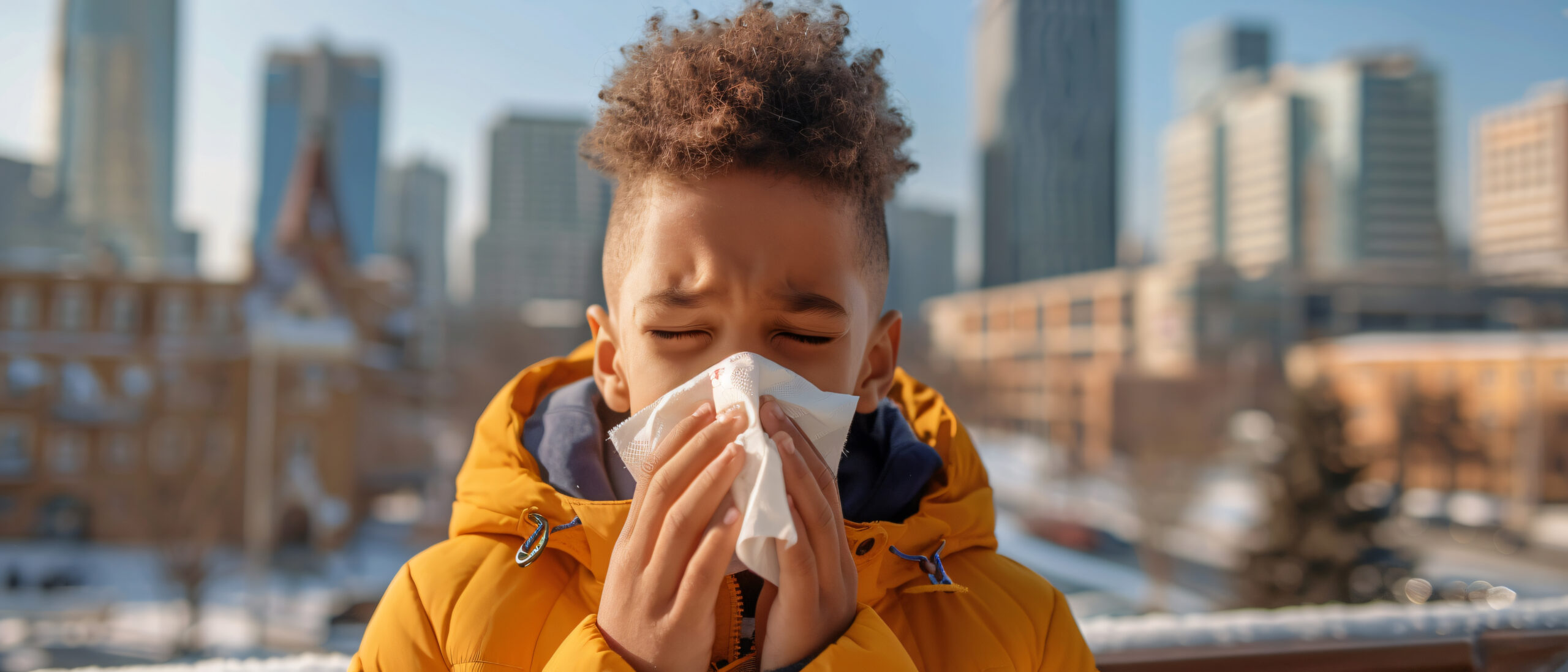
If you’ve stepped outside in Brooklyn, Queens, or Manhattan this week, you’ve likely seen it: a fine, chartreuse-colored dust coating every parked car and sidewalk. Local New Yorkers have dubbed it “The Pollening,” and according to recent data from the NYC Department of Health, April 2026 is officially on track to be the most aggressive allergy season in the city’s recorded history.
For those with a history of asthma or seasonal allergies, this isn’t just a nuisance; it’s a significant challenge to the immune system. Here’s why this year is different and how you can survive the surge.
The Perfect Storm: Why 2026 is Different
The intensity of this year’s season is driven by a phenomenon scientists call “Pollen Overlap.” Typically, NYC sees a staggered release of allergens: trees in early spring, followed by grasses, then weeds. However, due to the unseasonably warm winter of 2025-2026, the city’s oaks, maples, and birches are all “firing” at once.
Furthermore, the Urban Heat Island Effect, where NYC’s concrete and asphalt trap heat, has caused urban trees to produce up to 20% more pollen than their rural counterparts. When this is combined with rising CO2 levels, the pollen itself becomes more “potent,” containing higher concentrations of the proteins that trigger your immune system’s inflammatory response.
Is it a Cold or “The Pollening”?
In a post-2020 world, New Yorkers are quick to question every cough. However, the 2026 allergy strains are causing specific symptoms that help differentiate them from viral infections:
- The “Allergic Shiners”: Dark circles under the eyes caused by nasal congestion.
- Itchy Palate: A tingling sensation in the roof of the mouth or throat.
- The Absence of Fever: While you may feel “foggy,” allergies rarely cause the high body temperatures associated with the flu or COVID-19.
Surviving the NYC Streets: 3 Practical Tips
- Check the “Real-Time” Count: Don’t just look at the weather app. Use local sensors that track the Pollen Parts Per Million (PPM) specific to your borough, as the tree canopy in Prospect Park affects air quality differently than the concrete canyons of Midtown.
- The “Subway Scrub”: Pollen is “sticky.” When you get home from your commute, change your clothes immediately and wash your face. This prevents you from spreading allergens onto your furniture and bedding.
- HEPA is Your Best Friend: Ensure your AC units have clean HEPA filters. In NYC apartments, where we often rely on window units, these filters are the only thing standing between you and a room full of birch spores.
When Over-the-Counter Isn’t Enough
If you find yourself reaching for antihistamines daily with little relief, it may be time for a deeper look at your Immunology. At Doral Health & Wellness, we see many patients whose seasonal allergies are actually masking Oral Allergy Syndrome (OAS) or contributing to underlying respiratory issues.
Board-certified immunologists in Brownsville are now utilizing Sublingual Immunotherapy (SLIT)—a needle-free “allergy drop” treatment—which helps desensitize your immune system to local New York pollen over time, rather than just masking the symptoms.
Don’t let “The Pollening” keep you indoors. By understanding the science behind the surge and taking proactive steps to support your immune health, you can enjoy the New York spring—chartreuse dust and all.
Need a consultation? Contact Doral Health & Wellness today to speak with a specialist about advanced allergy testing and long-term immune support. You can visit us at 1797 Pitkin Avenue, Brooklyn, New York 11212. Call us on + 1-718-367-2555 to book your appointment now to receive the best-in-class treatment that helps manage your allergies for a better life. Take action now, before it’s too late! If you need help, register your information at https://yuz88hfiyh7.typeform.com/Doralintake. For general information about Doral Health & Wellness services, you can contact or email info@doralhw.org.