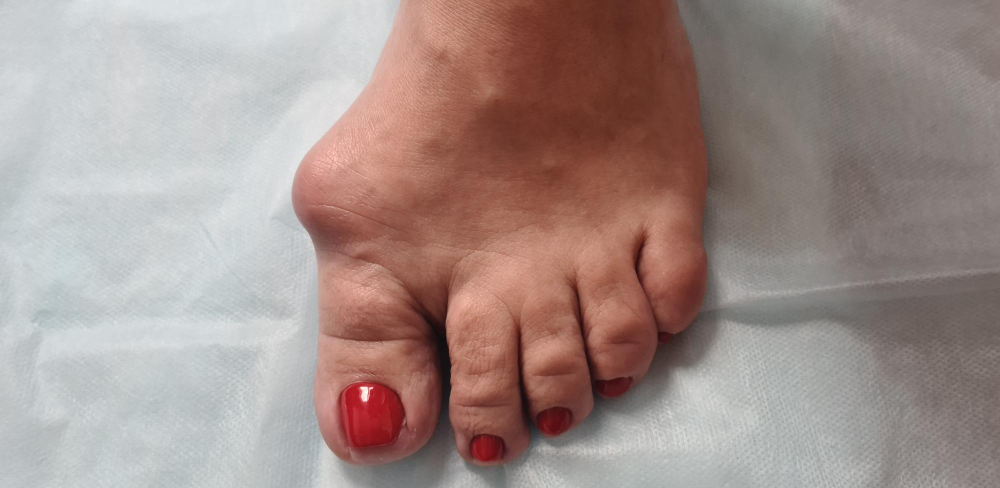
That sharp ache along the outside of your foot is hard to ignore. Every step in a tight shoe reminds you it is there. A tailor’s bunion, also called a bunionette, is one of the more common bunions people face, and it forms right at the base of your pinky toe.
This bony bump develops when the fifth metatarsal bone shifts outward, pushing your smallest toe inward. Over time, the pressure creates swelling, redness, and pain. You are not imagining it, and you are not alone. The good news is that most cases respond well to simple care. This guide walks you through why bunions form, how to soothe them at home, and when it is time to lean on a professional.
What Causes Bunions on the Pinky Toe
The pain has a reason, and understanding it helps you take control.
Tailor’s bunions often run in the family and are made worse by tight-fitting shoes. If your parents had them, your foot structure may make you more prone to one, too.
Common contributors include:
- Genetics. An inherited foot shape can leave the fifth metatarsal more exposed to friction.
- Narrow footwear. Pointed or snug shoes squeeze the pinky toe and speed up the bump’s growth.
- Repeated pressure. Certain jobs, sports, or standing habits add strain to the outer foot.
If you have noticed your pain worsening, our guide to everyday foot pain relief offers small changes that make a real difference.
How to Ease the Pain at Home
Before you worry about bigger steps, know that gentle care often brings relief.
The long-term goal of treatment is to reduce pressure on the fifth metatarsal bone. When you take the load off that spot, the swelling and soreness usually settle.
Simple Relief Steps
- Ice the area. Apply a cloth-wrapped ice pack for 15 to 20 minutes after activity to calm swelling and ease soreness.
- Switch your shoes. Choose a wider toe box so your pinky toe has room to rest.
- Add padding. Bunionette pads shield the bump from rubbing inside your shoe.
- Try orthotics. Proper orthotics help rebalance the foot and reduce pressure over time.
Home treatment is usually designed to relieve pain rather than remove the bunion itself. That distinction matters, because it sets honest expectations while you heal.
When to See a Foot Doctor
Sometimes home care is not enough, and that is okay. Knowing when to ask for help protects your feet down the road.
Reach out to a foot doctor if the pain interrupts your sleep, your walking, or your daily routine. Persistent redness, worsening swelling, or a bump that keeps growing all deserve a professional look.
What a Podiatrist Can Offer
A skilled foot doctor examines your foot, may order imaging, and builds a care plan around your needs. For many families, seeing a podiatrist in Brooklyn means clear answers and a treatment path they can trust.
Options a specialist may suggest include custom orthotics, targeted padding, or, in more advanced cases, surgery to correct the bone. A trusted podiatrist in Brooklyn can walk you through each choice so nothing feels rushed or confusing.
Take the Next Step Toward Comfort
You deserve to walk without that nagging pinky-toe pain. Bunions rarely fix themselves, but the right care makes a lasting difference.
Whether you need advice on footwear or a full treatment plan, expert help is within reach. Reach out to our podiatry team today by calling +1 718 367 2555 or visit us at 1797 Pitkin Avenue, New York, NY 11212 to schedule a visit and let us build a care plan around your feet.