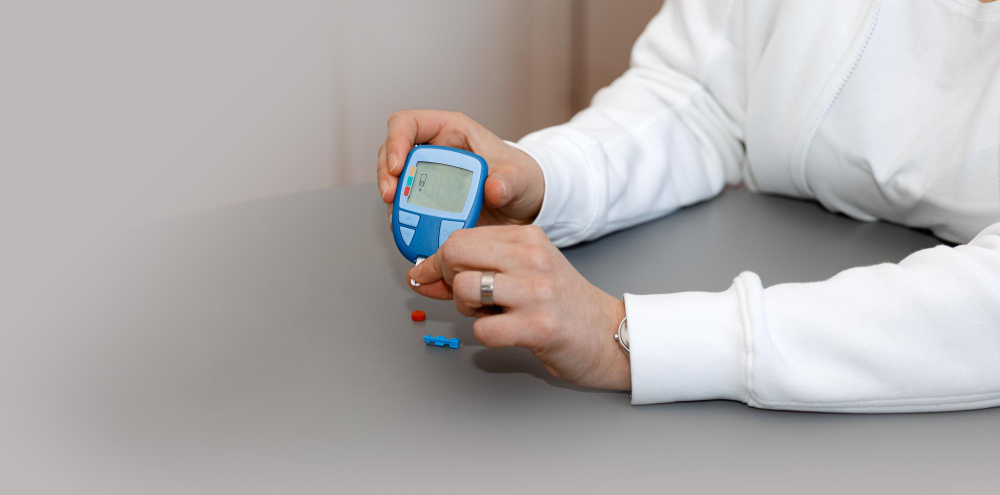
Managing diabetes can feel like a guessing game. You test, you wait, and you wonder if the numbers even mean anything. That worry is real, and you are not alone in feeling it. The good news is that a few well-timed checks can turn confusion into clarity. Knowing the best times to check blood sugar helps you see patterns, catch problems early, and make choices that keep you feeling well. This guide walks you through three key moments: fasting, after meals, and bedtime. You will learn what each reading tells you and the target ranges to aim for. With the right timing, your numbers start to make sense.
Why Timing Matters When You Check Blood Sugar
Blood sugar shifts throughout the day. It rises after you eat, drops between meals, and changes overnight while you sleep. A single reading only tells part of the story.
Checking at the right moments gives you a fuller picture. You see how food, activity, and medication affect your body. Over time, these patterns help you and your care team fine-tune your plan. An endocrinologist can use this information to adjust treatment and lower your risk of complications.
What Are the Best Times to Check Blood Sugar?
The best times to check blood sugar depend on your treatment plan. Still, three moments give the clearest insight for most people with diabetes.
Fasting Blood Sugar Targets
A fasting check happens first thing in the morning, before you eat or drink anything. This reading shows your baseline after a night of rest.
According to the American Diabetes Association, a healthy fasting target for many adults with diabetes is:
- 80 to 130 mg/dL before meals
A high morning number may point to changes needed in your evening medication or bedtime snack. A low number matters too, and it should not be ignored.
Post-Meal Blood Sugar Targets
After you eat, your blood sugar naturally climbs. Checking one to two hours after the start of a meal shows how well your body handled that food.
The American Diabetes Association suggests aiming for:
- Less than 180 mg/dL one to two hours after a meal
This reading helps you learn which foods spike your levels. Over time, you can adjust portions and choices to stay in range.
Bedtime Blood Sugar Targets
A bedtime check protects you overnight. It helps you avoid lows while you sleep and start the next day on steady ground.
Talk with your care team about your ideal bedtime range, since it varies by person. Many people are guided toward a bedtime reading of roughly 100 to 140 mg/dL, based on Cleveland Clinic guidance. If your number is low, a small snack may help.
How Often Should You Check?
Testing needs differ from person to person. Some people check several times a day, while others check less often.
Your plan may depend on:
- Your type of diabetes. Type 1 often needs more frequent checks than type 2.
- Your medication. Insulin users usually test more often.
- Your daily routine. Illness, stress, and exercise can all affect your numbers.
If you feel unsure about your schedule, do not guess. A conversation with your care team brings quick clarity.
Take Control of Your Blood Sugar Today
Diabetes asks a lot of you, but the right timing makes it far more manageable. Fasting, post-meal, and bedtime checks each reveal something important. Together, they help you spot trends and act before small problems grow.
You do not have to figure this out alone. Our Endocrinology team is here to help you understand your numbers and build a plan that fits your life. They can guide you through testing, targets, and every step that follows. Reach out today by calling +1 718 367 2555 or visit us at 1797 Pitkin Avenue, New York, NY 11212 to schedule a consultation.