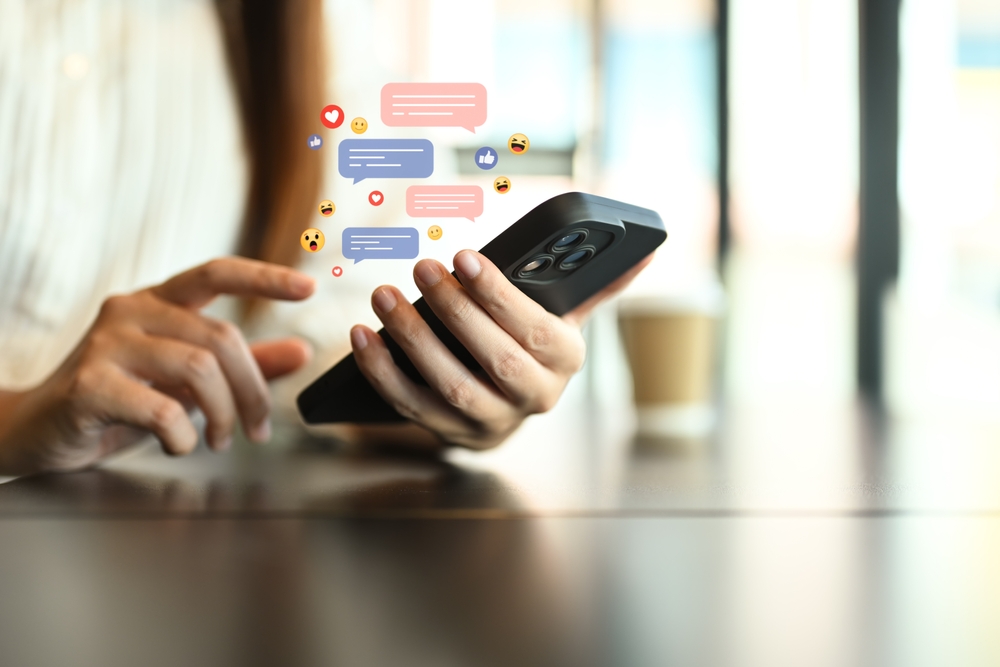
Every time your phone buzzes, your brain gets a tiny chemical reward. This endless cycle of alerts and immediate gratification has sparked the dopamine debate among medical professionals and tech users alike. We are biologically wired to seek out new information, but modern devices exploit this natural drive. As a result, you might find it incredibly difficult to concentrate on deep work or stay fully present during real-life conversations. Understanding this chemical loop is the absolute first step toward building better mental habits. If you want to know how to reclaim focus in the era of notifications, you must recognize how digital platforms hijack your attention. By making a few intentional changes, you can retrain your brain, reduce daily anxiety, and take back control of your time. Visit the best Behavioral Health Clinic in Brooklyn at Doral Health & Wellness, or log on to www.doralhw.org for more information.
Decoding the Dopamine Debate and Digital Overload
Dopamine is a neurotransmitter that drives motivation and desire. It pushes you to take action toward a goal. However, social media apps and email alerts provide unpredictable rewards that keep your brain constantly craving the next update.
This creates a slot-machine effect. You check your screen, hoping for a rewarding message. Even when you find nothing, the anticipation alone keeps you hooked. Any qualified behavioral health specialist will tell you that this constant state of high alertness drains your cognitive energy. It leaves you feeling exhausted, irritable, and unable to complete simple tasks without severe distraction.
The Cost of Divided Attention
When you switch tasks to check a notification, your brain takes up to 20 minutes to return to its original level of concentration. Over time, this fragmented attention span leads to:
- Increased stress and generalized anxiety
- Poor memory retention
- Decreased productivity at work or school
- Strained personal relationships
How to Reclaim Focus in the Era of Notifications
Breaking the cycle requires setting firm boundaries with your devices. You do not need to abandon technology entirely, but you do need to use it with clear intention.
Try implementing these practical habits to steady your mind:
- Use grayscale mode: Changing your phone screen to black and white makes it less visually stimulating, reducing the urge to scroll endlessly.
- Schedule your screen time: Instead of constantly checking your email, dedicate three specific times a day to process your inbox.
- Create physical distance: Leave your phone in another room while working or sleeping. Out of sight often means out of mind.
- Turn off non-essential alerts: Disable push notifications for every app except direct calls or vital text messages.
Finding Professional Support
Sometimes, digital burnout creates deeper emotional challenges that require expert guidance. If your screen habits disrupt your daily life, consulting a behavioral health specialist can help you build healthier coping mechanisms.
For those living in New York, visiting a modern behavioral health clinic in Brooklyn offers a safe space to discuss attention issues and anxiety. A dedicated medical team at a behavioral health clinic in Brooklyn can provide personalized cognitive strategies to help you navigate digital stress. Working with a behavioral health specialist ensures you address the root causes of your distraction, rather than just treating the symptoms.
Take Back Your Attention Today
You have the power to decide where your attention goes. By understanding the chemistry behind your screen time, you can step away from the noise and engage more deeply with the world around you.
Do not let digital fatigue dictate your daily mood. If you struggle to disconnect and feel overwhelmed by constant digital demands, reach out to our behavioral health department today. Schedule an appointment for further inquiries, or call us at +1-718-367-2555 to get a consultation. We have the finest psychiatrists who listen to your concerns, examine your symptoms, and create a treatment plan to improve your condition as soon as possible. If you need help learning coping methods, register your information and make direct contact with us at https://yuz88hfiyh7.typeform.com/Doralintake or send an email to info@doralhw.org. You can also visit us at 1797 Pitkin Avenue, Brooklyn, NY 11212.