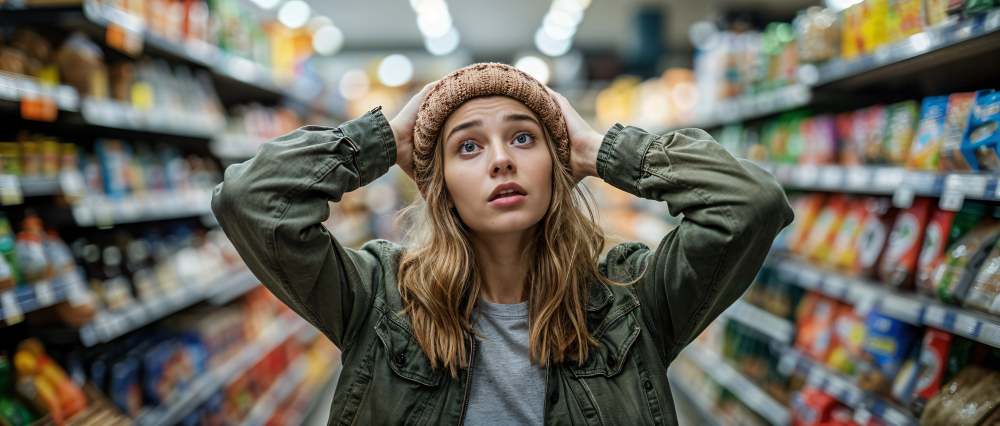
The grocery store can feel like a minefield. One wrong ingredient tucked into a snack, a sauce, or a loaf of bread, and a routine trip turns into a medical emergency. If you shop for someone with food allergies, you know this fear well. You read every label twice, and you still worry you missed something.
That worry is real, and it matters. A single hidden allergen can send your loved one to the hospital. The good news is that label reading is a skill you can master. With the right approach, you can walk those aisles calmly and protect the person you care about with confidence.
Why Food Allergies Make Label Reading So Tricky
Manufacturers do not always make allergens obvious. Ingredients hide behind unfamiliar names, and cross-contamination warnings vary from brand to brand. This is why food allergies demand more than a glance at the front of the box.
In the United States, nine major allergens must be listed by law: milk, eggs, fish, shellfish, tree nuts, peanuts, wheat, soybeans, and sesame. Yet knowing the rules is only half the battle. If symptoms are new or unclear, a food allergy specialist can help pinpoint exactly what your family needs to avoid. You can also review our guide to managing food allergies at home for daily peace of mind.
How to Read Labels Like a Pro
Reading a label well takes a system. Here is the method allergists teach families.
Start With the Contains Statement
Most packaged foods include a “Contains” line right below the ingredients. This is your fastest safety check.
- Read it first. It flags the nine major allergens in plain language.
- Do not stop there. Some allergens still hide in the full ingredient list.
Scan for Hidden Names
Allergens often wear disguises. Learn the aliases that trip families up.
- Milk may appear as casein, whey, or lactose.
- Eggs can show up as albumin or globulin.
- Wheat hides behind semolina, durum, or spelt.
- Soy may be listed as lecithin or textured vegetable protein.
Respect the Advisory Warnings
Phrases like “may contain” or “made in a facility with” signal cross-contamination risk. For severe food allergies, treat these warnings seriously. When in doubt, choose a safer product.
When to Bring in Professional Support
Even careful shoppers hit limits. If reactions keep happening despite your best efforts, that is a sign you need expert guidance. You do not have to figure this out alone.
A skilled food allergy specialist can run proper testing, confirm your triggers, and build a plan tailored to your family. For those nearby, an allergy specialist in Brooklyn, NY can offer in-person testing and clear, personalized advice.
Home visits also make life easier for families juggling busy schedules or limited mobility. If you would rather receive care at home, our in-home allergy care team brings expert support to your door.
Shop With Confidence Starting Today
Label reading protects the people you love. Every careful check is an act of care, and every safe meal is a small victory. You are already doing the hard work.
You deserve support that matches your effort. A trusted allergy specialist in Brooklyn, NY can turn confusion into a clear, workable plan for your household.
Reach out today by calling +1-347-384-5690 or visit our clinic at 1797 Pitkin Avenue, Brooklyn, NY 11212 to schedule a visit with our compassionate allergy team, and let us help you shop and eat with peace of mind. Your family’s health is our priority.