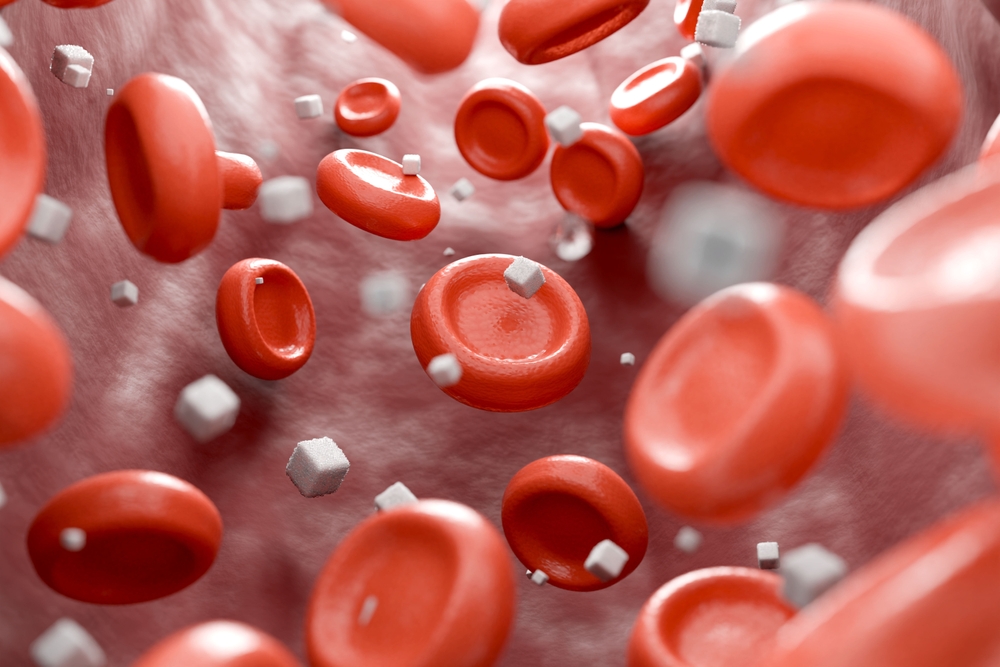
Managing diabetes usually focuses on blood sugar and insulin. But there is another crucial mineral you must watch. If you have ever wondered how potassium level fluctuation affects diabetes, you are not alone. Potassium plays a major role in how your body processes insulin. When these levels swing too high or drop too low, it can lead to severe health issues. Understanding this connection is vital for your long-term health. In this guide, we will explore the risks involved and share practical, proven ways to manage potassium levels in your body. At Doral Health & Wellness, we have all the answers you need.
How Does Potassium Level Fluctuation Affect Diabetes?
Potassium and insulin share a tight, complex relationship. Your body needs insulin to move sugar into your cells for energy. Interestingly, insulin also helps pull potassium into your cells. If your body does not produce enough insulin, or if you are insulin-resistant, potassium can build up in your bloodstream.
The Risk of Kidney Complications
Many people with diabetes also face kidney challenges. Your kidneys filter extra potassium out of your blood. When high blood sugar damages these organs over time, they struggle to remove waste. This leads to hyperkalemia, a dangerous spike in blood potassium levels. If you notice unusual fatigue, muscle weakness, or irregular heartbeats, you should consult a skilled diabetologist immediately to check your mineral levels.
Symptoms of Potassium Imbalance
You need to know what to look out for. Both high and low potassium levels pose threats to your heart and muscles.
- High Potassium (Hyperkalemia): Causes numbness, trouble breathing, chest pain, and heart palpitations.
- Low Potassium (Hypokalemia): Triggers muscle cramps, severe constipation, and profound weakness.
If you experience these symptoms, visiting a reputable diabetes clinic in Brooklyn can help you get the lab work needed to confirm an imbalance.
Effective Ways to Manage Potassium Levels in Your Body
Keeping your mineral levels stable requires a proactive approach. Here are the best ways to manage potassium levels in your body safely:
Adjust Your Daily Diet
Your food choices directly impact your potassium levels. If your levels are high, you may need to limit certain foods.
- Limit high-potassium foods: Bananas, oranges, potatoes, and tomatoes.
- Choose low-potassium options: Apples, berries, cabbage, and green beans.
- Avoid salt substitutes: Many salt alternatives use potassium chloride, which can cause sudden spikes.
Review Your Medications
Certain blood pressure medications and diuretics can alter how your kidneys handle potassium. Always bring a complete list of your medications when you visit your diabetologist. They can adjust your prescriptions to protect your kidney function and keep your minerals balanced.
Keep Consistent Appointments
Routine blood tests are the only way to know your exact potassium levels. By scheduling regular check-ups at a local diabetes clinic in Brooklyn, your medical team can catch minor fluctuations before they become major emergencies.
Take Control of Your Health Today
Balancing your diet, taking the right medications, and monitoring your blood sugar all keep your potassium levels in check. You do not have to navigate these complex health metrics on your own. Partnering with a trusted diabetologist ensures you get a personalized care plan that protects your heart and kidneys.
Are you ready to optimize your diabetes care plan? Reach out to our experts today to speak with a leading diabetologist to schedule a comprehensive evaluation to get your glucose numbers under control. To book your appointment now, call us on + 1-718-367-2555 to take control of your Diabetes care. Learn more about Diabetes at www.doralhw.org. and stay up to date on current health topics and new research. If you need help, register your information and make direct contact with us at https://yuz88hfiyh7.typeform.com/Doralintake. Or visit us at 1797 Pitkin Avenue, Brooklyn, NY 11212.