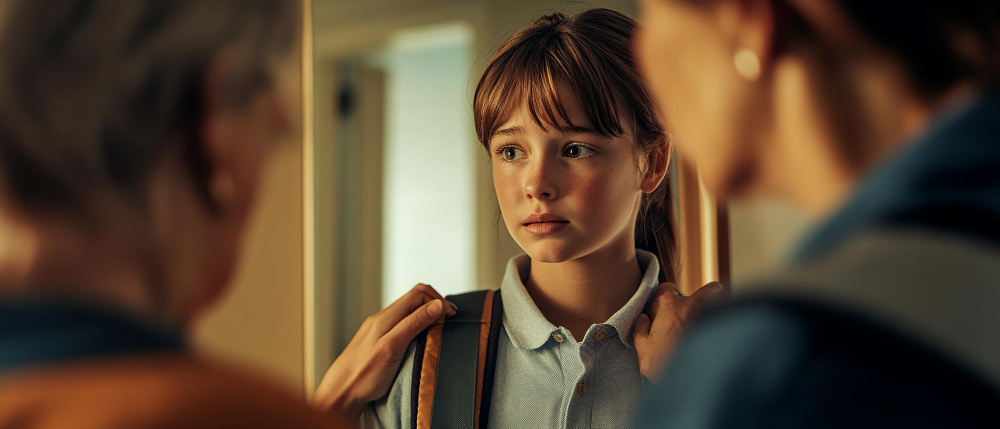
You sense something is wrong, but you cannot quite name it. Your loved one seems distant, guarded, or somehow not themselves. That quiet worry sitting in your chest matters, and you are right to pay attention to it.
Self-harm behaviors rarely announce themselves. They hide behind closed doors, long sleeves, and “I’m fine.” Many people who hurt themselves work hard to keep it secret, which is exactly why the signs feel so easy to miss. The good news is that early crisis intervention and compassionate counseling can change the course of someone’s life. By learning what to look for, you give yourself the power to step in with care rather than fear. You are not alone in this, and neither is the person you love.
1. They Cover Up, Even When It Makes No Sense
Pay attention to clothing that does not match the moment.
Someone struggling may wear long sleeves in summer or refuse to swim, change, or show their arms and legs. These choices often hide cuts, bruises, or burns.
It is easy to brush this off as a personal preference. But when paired with other changes, it can be one of the clearest self-harm behaviors to notice. If you spot this pattern, gentle conversation matters more than confrontation. Our guide on supporting a loved one walks you through how to start that talk with warmth.
2. They Withdraw From the People and Things They Love
Isolation is often the first crack in the surface.
Watch for these shifts:
- Pulling away from friends: Canceling plans, ignoring messages, or spending far more time alone.
- Losing interest: Dropping hobbies, sports, or routines they once cared about.
- Changing sleep and appetite: Sleeping too much or too little, eating very differently.
These changes signal emotional pain that needs attention. A behavioral health specialist can help uncover what is happening beneath the surface. The earlier you reach out, the sooner relief can begin.
3. Their Mood and Words Carry a Heavier Weight
Listen for what is said and what is left unsaid.
Your loved one may express deep hopelessness, guilt, or a sense of being a burden. They might make comments like “everyone would be better off without me.” These words are never something to ignore.
When to Treat It as an Emergency
Some moments call for immediate crisis intervention. Reach out for urgent help right away if your loved one:
- Talks about wanting to die or end their life
- Searches for ways to harm themselves
- Gives away cherished belongings
A doctor, psychiatrist, or trained crisis counselor can provide safe, fast support during these high-risk times. You do not have to make this judgment alone.
4. They Keep Unexplained Injuries Hidden
Frequent “accidents” deserve a closer look.
You might notice repeated cuts, scratches, or burns that never seem to have a clear cause. Your loved one may downplay them or react defensively when asked.
This pattern often points to ongoing self-harm behaviors. A behavioral health specialist or a psychiatrist can offer counseling that addresses the root cause, not just the wounds. Many families also find comfort in in-home behavioral support, which brings expert care into a familiar, safe space.
You Can Be the Reason They Find Help
Noticing these signs is the first act of love. The next is reaching out.
Professional counseling and timely crisis intervention save lives, and compassionate care is closer than you think. Our Behavioral Health team offers personalized, flexible support for your whole family, right where you feel most secure. Reach out to us today by calling +1-718-367-2555 or visiting 1797 Pitkin Avenue, Brooklyn, NY 11212 to book your consultation. Support is closer than you think.