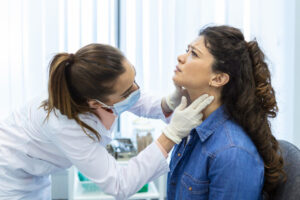
Navigating a diagnosis of end-stage renal disease (ESRD) can feel like entering uncharted territory. The complexity of treatment, dietary changes, and medication schedules can be overwhelming for anyone to manage alone. Fortunately, you do not have to face this challenge by yourself. A dedicated dialysis care team surrounds you, composed of diverse kidney care specialists who work in unison to ensure your safety and well-being. Each member of this multidisciplinary group plays a distinct and vital role in your treatment plan. From medical oversight to emotional backing, your dialysis support team is the foundation of your long-term health, providing the expertise and encouragement necessary to thrive while undergoing dialysis.
At Doral Health & Wellness, we are proud of our commitment to provide integrated interdisciplinary health services in an innovative medical facility. Our team is dedicated to the health and well-being of our patients, offering trusted medical treatments and expert guidance. We are here to support you with reliable, compassionate care for managing your kidney health.
The Nephrologist: The Team Captain
The leader of your dialysis care team is the nephrologist. This is a medical doctor who has undergone specialized training to diagnose and treat kidney diseases. They are the primary architect of your medical care plan.
When you first search for a “dialysis doctor near me,” you are looking for a nephrologist who will oversee every clinical aspect of your treatment. Their responsibilities are comprehensive and critical to your stability.
- Prescribing Treatment – Your nephrologist determines your “prescription,” which includes how long your treatments last, the type of dialyzer used, and specific settings on the machine to clean your blood effectively.
- Monitoring Progress – They review your monthly lab work to assess how well the dialysis is working. Based on these numbers, they adjust your medications and treatment parameters.
- Coordinating Care – The nephrologist communicates with other specialists, such as cardiologists or endocrinologists, to manage conditions like high blood pressure or diabetes that often accompany kidney disease.
The Dialysis Nurse: Your Clinical Guardian
If the nephrologist is the architect, the dialysis nurse is the builder who ensures the plan is executed safely every day. Registered Nurses (RNs) specializing in nephrology are often the team members you will see most frequently. They are your frontline advocates and primary source of medical education.
Whether you are at a large hospital or a specialized Brooklyn dialysis center, the nurse is responsible for assessing your condition before, during, and after every session.
- Safety Assessments – Before treatment begins, the nurse checks your vital signs, weight, and access site to ensure you are stable enough for dialysis.
- Medication Administration – They administer necessary medications during treatment, such as heparin to prevent clotting or iron supplements for anemia.
- Patient Education – Nurses explain your labs, medications, and how to care for your access site at home. They empower you with the knowledge to manage your condition between visits.
The Patient Care Technician: Your Direct Support
Working alongside the nurses are the Patient Care Technicians (PCTs). These kidney care specialists are highly trained to handle the technical aspects of the dialysis procedure. They are often the ones who initiate and terminate your dialysis sessions, making them a crucial part of your daily experience.
PCTs spend hours with patients during treatment, often developing strong, supportive relationships.
- Machine Management – PCTs set up the dialysis machine, ensuring it is sterile and programmed correctly according to the doctor’s prescription.
- Cannulation – They are skilled in inserting needles into your fistula or graft (cannulation) with precision and care to minimize discomfort.
- Continuous Monitoring – throughout your session, PCTs monitor your blood pressure and machine readings, alerting the nurse immediately if any alarms sound or if you feel unwell.
The Renal Dietitian: Your Nutritional Guide
Diet plays a massive role in how you feel and how effective your treatment is. The renal dietitian is a specialized nutritionist who helps you navigate the complex dietary restrictions associated with kidney failure. Because dialysis in NY and other urban areas offers a wide variety of food options, having a guide to help you make smart choices is invaluable.
Your dietitian translates complex lab results into actionable meal plans.
- Lab Analysis – They review your blood work to identify levels of potassium, phosphorus, and albumin. If your numbers are off, they investigate your diet to find the cause.
- Personalized Meal Planning – Instead of just telling you what you cannot eat, a good dietitian helps you find foods you can They teach you how to modify your favorite recipes to make them kidney-friendly.
- Fluid Management – Controlling fluid intake is one of the hardest parts of dialysis. Your dietitian provides tips and strategies to manage thirst and keep your fluid gains in check.
The Renal Social Worker: Your Advocate
Chronic illness affects more than just your body; it impacts your finances, your job, and your mental health. The renal social worker is the member of your dialysis support team dedicated to helping you cope with these non-medical challenges.
When you search for “dialysis near me,” you want a facility that prioritizes holistic care. The social worker ensures that barriers to care—like lack of transportation or insurance issues—are addressed.
- Insurance and Financial Guidance – They help you navigate insurance coverage, apply for Medicare or Medicaid, and find resources to help pay for medications.
- Emotional Support – Adjusting to life on dialysis can be emotionally taxing. Social workers provide counseling and can refer you to support groups where you can connect with others in similar situations.
- Lifestyle Adjustment – They assist with logistical challenges, such as arranging transportation to the dialysis center or helping you apply for disability benefits if you can no longer work.
The Vascular Surgeon: The Access Specialist
While you may not see them weekly, the vascular surgeon is a critical partner in your dialysis care team. Before you can even begin hemodialysis, you need a vascular access point—typically an arteriovenous (AV) fistula or graft. The surgeon performs the procedure to create this lifeline.
Maintaining the health of your access is vital. If your nurse or nephrologist detects a problem with blood flow, you may be referred back to the surgeon or an interventional specialist to correct the issue. This collaboration ensures your treatment remains uninterrupted.
You: The Most Important Member
It is essential to remember that you are not just a passive recipient of care; you are the most important member of the team. The efforts of your kidney care specialists can only go so far without your active participation.
Taking ownership of your health involves:
- Communication – Be honest with your team about your symptoms, your diet, and your struggles. They cannot help if they do not know what is wrong.
- Adherence – Sticking to your treatment schedule is the single most important thing you can do for your health. Skipping sessions puts tremendous strain on your body.
- Education – Ask questions. Understanding your labs and your medications allows you to make informed decisions.
Whether you are looking for a “dialysis doctor near me” or researching a Brooklyn dialysis center, remember that the quality of your care depends on the strength of your partnership with your team.
The journey of dialysis is a team effort. By relying on the expertise of your nephrologist, nurses, dietitians, and social workers, you can navigate the complexities of kidney disease with confidence. Your dialysis care team is there to lift you up, ensuring that you receive not just life-sustaining treatment, but the comprehensive support needed to live a full and active life.
If you are looking for a dedicated team to support your kidney health journey, contact Doral Health & Wellness today at 1-718-365-2555 or visit us at 1797 Pitkin Avenue, Brooklyn, New York 11212. Our compassionate specialists are ready to provide the expert care you deserve. For general information about Doral Health & Wellness services, you can contact or email info@doralhw.org.