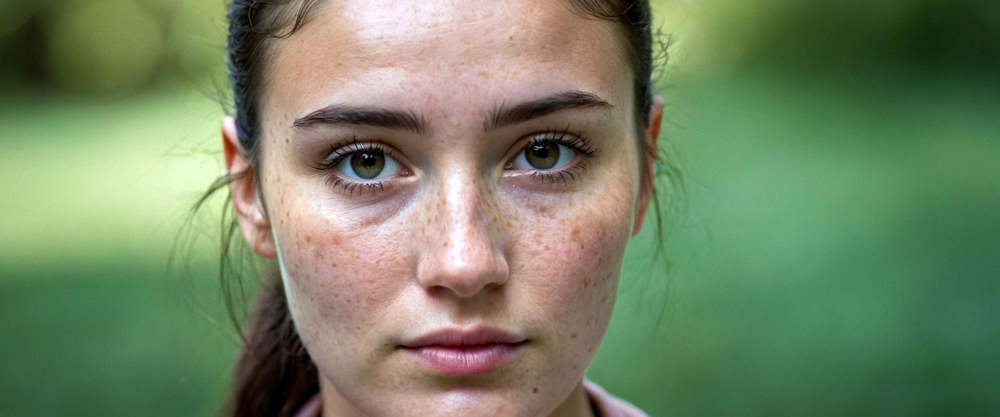
You spent the day outside, and now your eyes feel raw. They sting. They water. It feels like sand is trapped beneath your lids, and every glance at a light source makes you wince.
That burning sensation has a name: photokeratitis. It is a painful eye condition caused by too much ultraviolet (UV) light hitting the surface of your eye. Think of it as a sunburn, only on the clear tissue covering your cornea and sclera.
The good news is that photokeratitis is temporary, and it is almost always preventable. With a little health education and a few smart habits, you can protect your eyes and your loved ones’ eyes from this painful experience. Here is what you need to know.
What Photokeratitis Actually Feels Like
The pain often shows up hours after the damage is done. You may feel fine at the beach or on the ski slope, then wake up in the middle of the night with searing discomfort.
Common symptoms include:
- Burning and grittiness. Your eyes feel like they are full of sand or dust.
- Light sensitivity. Bright rooms and screens become hard to tolerate.
- Watery, red eyes. Excessive tearing is your body’s attempt to soothe the irritation.
- Blurred vision. Things may look hazy for a short time.
- Headaches. The strain around your eyes can spread.
Most cases heal on their own within a day or two. Still, the discomfort can be frightening, especially for children who cannot explain what they feel. If symptoms linger or worsen, an urgent visit to your primary care team is the safest choice.
Why UV Light Damages Your Eyes
UV rays are strongest between 10 a.m. and 4 p.m., but they reach you even on cloudy days. Certain surfaces make things worse by bouncing that light straight into your eyes.
High-Risk Situations
- Snow and ice. Fresh snow reflects up to 80% of UV rays, causing what many call “snow blindness.”
- Water and sand. Beaches and lakes multiply your sun exposure.
- High altitude. Thinner air filters less UV light.
- Tanning beds. Artificial UV sources carry the same risk.
By recognizing these settings, you can plan and shield your eyes before the damage begins. A quick chat during your annual physical is a good time to raise any lingering vision concerns.
Simple Preventive Care That Works
Protecting your eyes is easier than treating a burn. Small, consistent choices make the biggest difference.
- Wear UV-blocking sunglasses. Look for lenses rated for 100% UVA and UVB protection.
- Add a wide-brimmed hat. It blocks light from above and the sides.
- Use snow or water goggles. Wraparound styles guard against reflected rays.
- Check the UV index daily. Plan outdoor time when levels are lower.
These preventive care steps cost little but protect your vision for a lifetime. For families managing recovery at home, our home care nursing team can help reinforce healthy routines and monitor symptoms between visits.
When to Reach Out
Photokeratitis usually fades quickly, but you should never guess when it comes to your eyes. Persistent pain, vision changes, or symptoms in a young child deserve professional attention.
You do not have to face this alone. We bring expert, compassionate care right to your door. Whether it is a sudden eye concern or ongoing support for a loved one, reach out today to schedule a visit with our compassionate team by calling + 1-718-367-2555 or visiting us at 1797 Pitkin Avenue, Brooklyn, NY 11212.