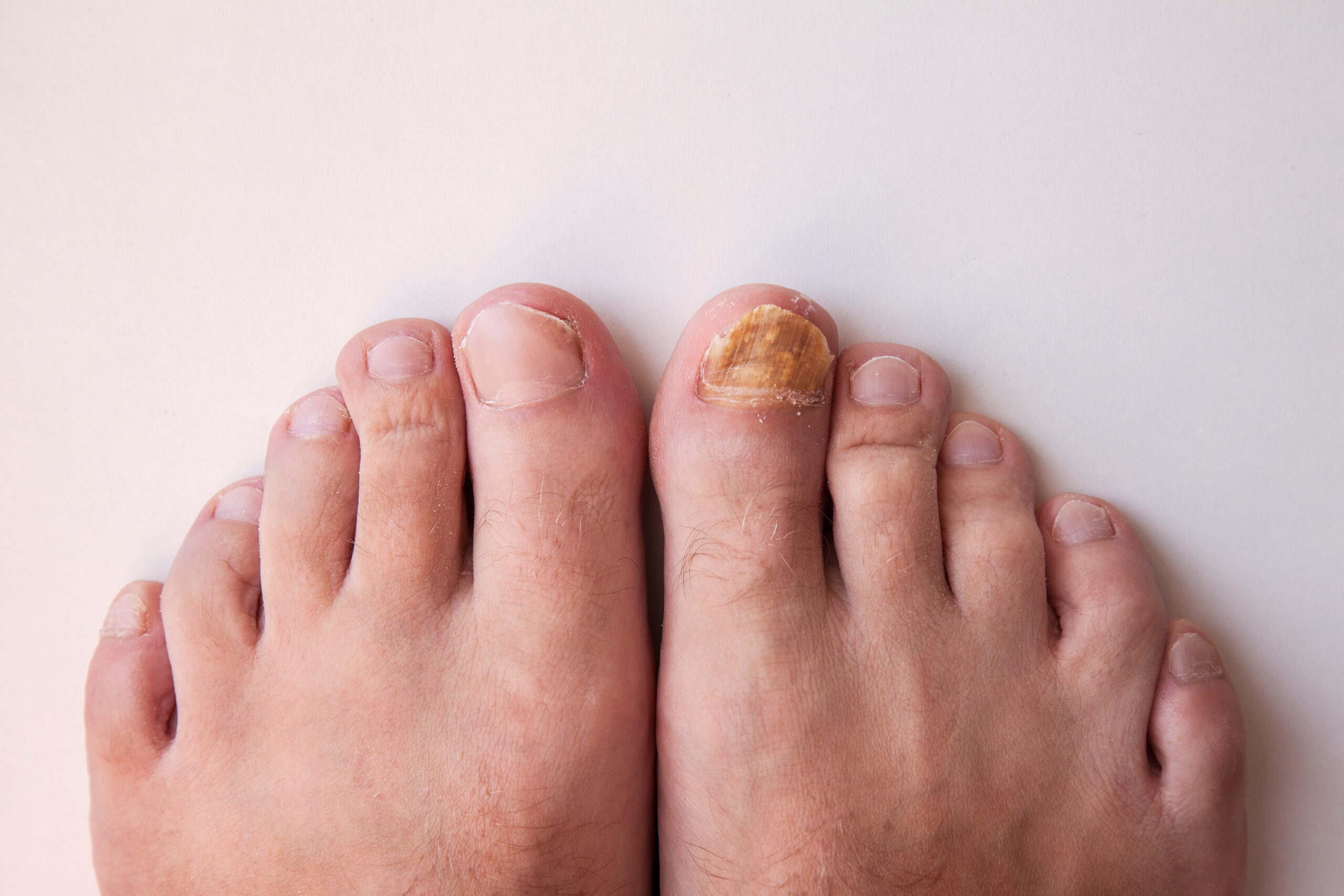
If you notice discoloration in your nail along with pain or some swelling, you may have toenail fungus, which is an infection due to a type of mold called dermatophyte (most commonly tinea unguium). If it is not treated in time, it can spread to other people and cause complications. Learn available toenail fungus treatment options in this article. Get a consultation with the best Podiatrists in Brooklyn.
Toenail Fungus Treatment
Treatment of Toenail Fungus depends on the severity of the infection, type, symptoms, and underlying medical conditions. The common treatment options are:
- Nail filing:
Usually, before other treatments, your podiatrist trims your affected toenails with a podiatry drill. Toenails need to be 2 mm (about 0.08 in) thick to make this method work. It means home treatments or other treatment options are effective only to penetrate the toenail plate when the toenail is thin.
- Topical antifungals:
The initial treatment is given with topical antifungal medications to treat fungal toenail infections. Mostly, you can get over-the-counter medicine from a pharmacy or online. Treatment works well when filing down the toenail first and then applying the liquid to the nail plate daily or weekly as instructed. Make sure you apply the medicine to the whole nail for a higher success rate. It takes some time to show progress and effectively remove the toenail and start healthy toenail growth.
- Oral medication:
Topical antifungals are not amazingly effective alone; to counter this, oral medication is recommended by the doctor. The most common drug used to treat toenail fungus is Terbinafine, which has a success rate of 70 to 80%, making it the most effective fungal toenail treatment medicine. Other medications are Itraconazole or Fluconazole. Treatment duration can differ based on the severity of your infection from somewhere between 12 to 24 weeks (about 5 and a half months).
- Photodynamic Therapy:
In some cases, when oral medications and topical antifungal treatment fail to produce results, this therapy is considered. It involves the use of a photosensitizing gel that destroys fungal cells.
- Laser therapy:
In some cases, to prevent the side effects of pills, laser therapy is recommended. Different types of laser treatments are used to heat the nail layer where the fungus is and destroy its genetic material. It takes around 30 minutes and may need at least 2 sessions, 5 to 6 weeks (about 1 and a half months) apart, and takes about 2 months from the first treatment to see results. Studies have mixed results on how much laser therapy works. More research is needed to determine whether it is effective or not.
- Total nail avulsion:
In cases of total fungal infection affecting the entire toenail plate, chemical nail avulsion may be used. In the past, doctors have used surgery to remove the toenail. With this procedure, using a 40% cream on the toenail for a few weeks can remove the damaged toenail without causing pain at all before starting antifungal treatment.
- Home remedies:
Some home remedies contain anti-fungal and anti-bacterial properties that can be used to treat toenail fungus, including:
- Tea tree oil: This is produced from distilling the leaves of tea tree, a plant found in Australia, which was used traditionally as an antiseptic, and research has found it useful for other skin conditions like acne. In one study, it was found that applying tea tree oil to the affected nail twice a day for 6 months can cure the infection. The cure rate increases if used with clotrimazole cream. But further studies have failed to get any results while using tea tree oil for 8 weeks (about 2 months).
- Vicks VapoRub: This is something everyone has in their home to soothe coughs, but some people think it can help with toenail fungus, too. It contains camphor, eucalyptus oil, and menthol, all of which have antifungal properties. Applying it daily on the affected toe with a cotton swab may be effective. In a small study of 18 people, after the use of Vicks VapoRub for 48 weeks, 28% were completely cured and 56% were partially cured of toenail fungus.
- Apple cider vinegar: While vinegar does fight fungus, it doesn’t cure toenail fungus. However, you can give it a try by mixing one part of apple cider vinegar with 3 parts of warm water and soaking your feet for at least 10 minutes or longer.
- Baking soda: One small study found that treating affected nails with baking soda can stop fungal growth in 79% of cases, and in only 17% of cases where treatment was not effective. These results were after only 7 days of treatment. It means baking soda is effective in preventing fungi that kill it. But more research is still needed.
- Other home remedies: Recently, Listerine mouthwash and snakeroot extract have been found to be effective in treating toenail fungal infection. One study found that snakeroot extract can work as a drug, ciclopirox, which can be used as nail polish on nails for 6 months. Similarly, Listerine contains thymol, which has antifungal properties but has never been studied.
While these home remedies don’t have any side effects, it doesn’t ensure their effectiveness. These may not be harmful to try, but they may treat symptoms, not the infection itself. That’s why you should talk with your doctor first before using them for treating toenail fungus.
When to go to a podiatrist
You should see a podiatrist for toenail fungus if you’re experiencing pain, discoloration, or thickening of the nail, and the home remedies aren’t working. Additionally, if you have diabetes or other foot conditions, seeking immediate professional help is necessary.
Toenail fungus treatment involves many different treatment options, from topical solutions to laser therapy, based on the severity of the infection, symptoms, and any underlying medical conditions like diabetes or other foot conditions. Doctors initially start treating your toenail fungal infection with topical or oral medications; if they fail, other treatment options are considered. After toenail removal, a new healthy toenail will take time to grow based on your treatment.
Need help with toenail fungus? Visit our podiatry clinic in Brooklyn to get professional medical help. Call us to book your appointment now! At Doral Health & Wellness, we have Podiatrists with extensive education and expertise. If you’re ready to take the next step in managing your pain, we recommend consulting with our healthcare provider to explore the right treatments or therapies for you. Always listen to your body and adjust your daily routine to prioritize your well-being. Trauma to the tendons, muscles, and bones of the foot is quite common. It’s not a good idea to put off seeing Foot Doctor Brooklyn until you are in a lot of pain. Our address is 1797 Pitkin Avenue, New York, NY 11212. To make an appointment, please call + 1 718 367 2555 or send an email toinfo@doralhw.org.