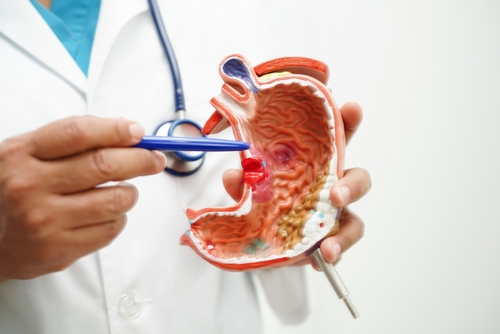
Peptic ulcers are open sores that develop on the inside lining of your stomach and the upper portion of your small intestine. A persistent, burning stomach pain is one of the most common ulcer symptoms, and it should not be ignored. Understanding the link between these symptoms, their primary causes, and the process for an accurate stomach ulcer diagnosis is the first step toward healing. For many, a targeted H. pylori treatment is the key to resolving the issue and preventing recurrence. This guide provides comprehensive information on recognizing symptoms and navigating the path to relief.
At Doral Health & Wellness, we are proud of our commitment to providing integrated, interdisciplinary health services to our community. Our expert gastroenterologists deliver trusted medical treatments and personalized guidance to help you manage digestive conditions with confidence. We invite you to connect with our innovative medical facility for comprehensive and supportive care.
Recognizing Common Ulcer Symptoms
While the hallmark symptom of a stomach ulcer is a gnawing or burning pain in the middle of the abdomen, symptoms can vary. The pain often occurs between meals or at night when the stomach is empty and may be temporarily relieved by eating or taking antacids.
Key Signs to Watch For
- Burning Stomach Pain – The most classic of all ulcer symptoms.
- Feeling of Fullness, Bloating, or Belching – A sensation of being uncomfortably full.
- Intolerance to Fatty Foods – Certain foods may worsen the pain.
- Heartburn – A burning sensation in the chest.
- Nausea – A frequent feeling of sickness.
Red Flag Symptoms Requiring Immediate Attention
Certain signs indicate a more serious complication, such as bleeding or perforation, and require emergency medical care.
- Vomiting or vomiting blood – Which may appear red or black.
- Dark, tarry, or bloody stools – A sign of intestinal bleeding.
- Trouble breathing – Which could indicate a perforation.
- Unexplained weight loss – Losing weight without trying.
- Feeling faint – A symptom of significant blood loss.
The Primary Causes of Stomach Ulcers
The protective mucous layer of the stomach can be weakened, allowing digestive acids to create an ulcer. The two most common causes of this breakdown are a specific bacterial infection and the regular use of certain pain relievers.
Helicobacter pylori (H. pylori) Infection
- pylori is a type of bacteria that can live in the digestive tract. Over time, it can cause inflammation of the stomach’s inner layer (gastritis), leading to an ulcer. Effective H. pylori treatment is essential for healing an ulcer caused by this bacterium and preventing it from returning.
Long-Term Use of NSAIDs
Nonsteroidal anti-inflammatory drugs (NSAIDs) are common over-the-counter and prescription pain relievers.
- Common NSAIDs – Aspirin, ibuprofen (Advil, Motrin IB), and naproxen sodium (Aleve).
- Mechanism of Damage – Regular or high-dose use of these medications can irritate the stomach lining and interfere with the body’s ability to protect the stomach from acid, leading to ulcer formation.
Accurate Stomach Ulcer Diagnosis and Testing
If you are experiencing ulcer symptoms, a precise diagnosis is crucial for developing the correct treatment plan. A visit to the best gut doctor will involve a review of your symptoms and medical history, followed by specific tests.
Testing for H. pylori
Since H. pylori is a primary cause, your doctor will likely test for it first.
- Urea Breath Test – You drink a special liquid, and if pylori is present, it will release a gas that can be detected in your breath.
- Stool Antigen Test – A stool sample is checked for proteins related to the pylori bacteria.
Upper Endoscopy (EGD)
This is the most accurate method for a definitive stomach ulcer diagnosis.
- Procedure – A gastroenterologist inserts a thin, flexible tube with a camera (endoscope) through your mouth to directly view the esophagus, stomach, and small intestine.
- Biopsy – The doctor can identify the ulcer and take a small tissue sample (biopsy) to be tested for pylori or to rule out other conditions. An expert gut doctor NY can perform this procedure safely and effectively.
Evidence-Based Treatment Plans
Treatment for peptic ulcers depends on the underlying cause. The goal is to reduce stomach acid, protect the stomach lining, and, if present, eradicate the H. pylori infection.
- pylori Treatment
If H. pylori is identified, your doctor will prescribe a combination of medications to kill the bacteria and allow the ulcer to heal.
- Antibiotics – At least two antibiotics (such as clarithromycin and amoxicillin) are used to eradicate the infection.
- Proton Pump Inhibitors (PPIs) – These medications reduce the amount of acid your stomach produces, which relieves pain and helps the ulcer heal. Examples include omeprazole, pantoprazole, and lansoprazole.
- Test-of-Cure – After treatment, your doctor will retest you (usually with a breath or stool test) to ensure the pylori treatment was successful.
Treating NSAID-Induced Ulcers
If your ulcer is caused by NSAID use, the first step is to stop taking the medication, if possible.
- PPI Therapy – Your doctor will prescribe a PPI to reduce stomach acid and allow the ulcer to heal.
- H2 Blockers – In some cases, another class of acid-reducing medication called H2 blockers (like famotidine) may be used.
For any treatment plan, it is essential to find the best gastroenterologist near me to ensure your care is managed according to the latest medical guidelines.
Your Partner in Digestive Wellness
Recognizing ulcer symptoms and seeking a prompt stomach ulcer diagnosis is critical for preventing serious complications. Whether caused by an H. pylori infection or NSAID use, peptic ulcers are highly treatable with the right medical plan. A targeted H. pylori treatment can cure the infection for good, while lifestyle adjustments and appropriate medication can heal NSAID-induced ulcers, leading to lasting relief.
For expert and compassionate gastroenterology care in the East New York community, trust the specialists at Doral Health & Wellness. Our dedicated team is equipped with advanced diagnostics to accurately diagnose and treat peptic ulcers and their underlying causes. To schedule a consultation with the best gut doctor, contact Doral Health & Wellness today at 1-718-365-2555 or visit us at 1797 Pitkin Avenue, Brooklyn, New York 11212. For general information about Doral Health & Wellnessservices, you can contact or email info@doralhw.org.