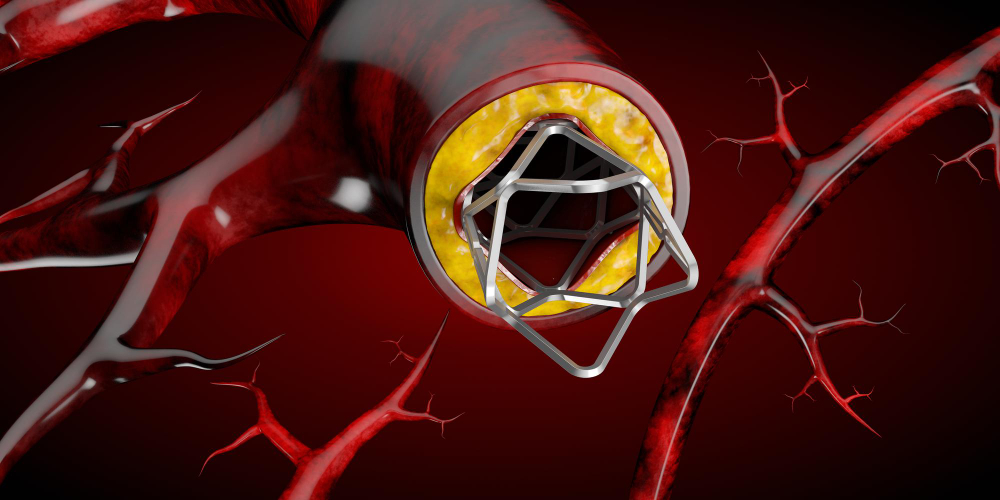
Angioplasty is a minimally invasive procedure that restores blood flow through blocked heart arteries using a small balloon and, in most cases, a stent. Recovery typically begins within a day, and most patients return to normal activities within a week. Understanding angioplasty expectations beforehand helps reduce anxiety and supports a smoother recovery.
Facing a heart procedure is frightening. You may have questions, fears, and a growing list of “what ifs” running through your mind. That is completely understandable. Knowing what to expect — before, during, and after — can make a real difference in how you feel walking into that procedure room.
Angioplasty is one of the most common and effective ways cardiologists restore blocked blood vessels of the heart. Every year, hundreds of thousands of people undergo this procedure and return to healthier, more active lives. This guide walks you through the full process so you can face it with clarity and confidence.
How Angioplasty Restores Blocked Blood Vessels of the Heart
When plaque builds up inside your coronary arteries, blood flow to your heart muscle slows or stops. This is what causes chest pain, shortness of breath, and in serious cases, a heart attack. Angioplasty addresses this directly — by physically opening the artery and restoring circulation.
A cardiologist will typically recommend angioplasty when lifestyle changes or medications alone are not enough to manage the blockage.
What to Expect Before the Procedure
Your care team will prepare you carefully. In the days leading up to angioplasty, your cardiologist will review your medical history, current medications, and any allergies. You may be asked to stop taking certain blood thinners or to fast for several hours beforehand.
On the day of the procedure, a nurse will place an IV line, and you will receive a mild sedative to help you relax. You will be awake but calm. The area where the catheter will be inserted — usually the wrist or groin — is cleaned and numbed with local anesthesia. Most patients describe this preparation as manageable.
During the Procedure
The procedure itself typically takes between 30 minutes and two hours. Your cardiologist guides a thin, flexible tube called a catheter through your artery to the site of the blockage. At the tip of the catheter is a small balloon. When the balloon is inflated, it compresses the plaque against the artery walls and widens the vessel.
In most cases, a small mesh tube called a stent is placed to keep the artery open long-term. You may feel some pressure during this stage, but serious pain is uncommon. The team monitors your heart throughout the entire process.
After the Procedure and Recovery
Recovery from angioplasty is often faster than people expect. Most patients spend one night in the hospital for observation. The insertion site may feel sore for a few days, and bruising is normal.
Within a week, many people return to light daily activities. Full recovery — including a return to exercise — typically takes two to four weeks, depending on your overall health. Your care team will schedule follow-up visits to monitor your progress and adjust any medications.
Setting Realistic Angioplasty Expectations
Understanding what angioplasty can and cannot do helps you plan wisely. Here is what most patients and families need to know:
- Angioplasty treats the blockage — not the underlying cause. Lifestyle changes, medications, and ongoing monitoring remain essential after the procedure.
- Results are often immediate. Many patients feel relief from chest pain or shortness of breath shortly after the artery is reopened.
- Stents reduce — but do not eliminate — the risk of re-blockage. Your cardiologist will prescribe blood-thinning medications to protect the stent.
- Recovery timelines vary. Age, overall health, and the complexity of the blockage all influence how quickly you heal.
- Emotional recovery matters too. Anxiety and fatigue are common in the weeks following a heart procedure. Reach out to your care team if you are struggling.
Setting honest expectations is not about dampening hope — it is about giving you a clear picture so you can take the right steps forward.
You Do Not Have to Navigate This Alone
A heart procedure changes things. It is natural to feel uncertain about what comes next. The good news is that with the right support, most people who undergo angioplasty go on to live fuller, healthier lives.
Our cardiology team is here to guide you through every stage from your first appointment to your follow-up visits after the procedure. Whether you have questions about angioplasty expectations, need help understanding your recovery plan, or simply want someone to talk to, we are ready to help.
Reach out to our team today by calling +1-718-367-2555 or visiting us at 1797 Pitkin Avenue, Brooklyn, NY 11212. You do not have to face this alone.