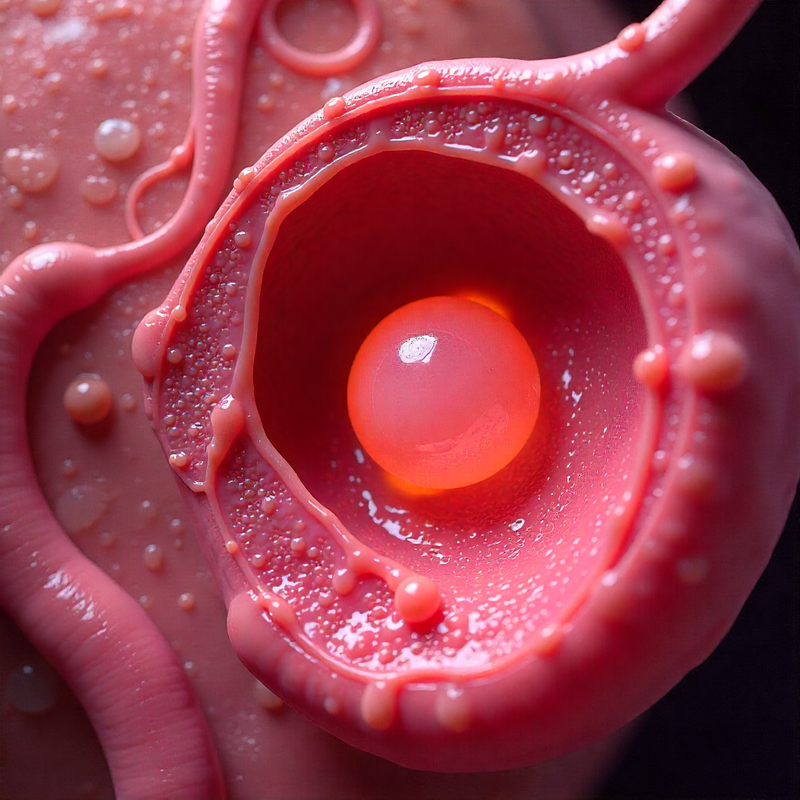
Grasping the intricacies of the menstrual cycle is a fundamental aspect of managing your reproductive health. Central to this cycle is ovulation, the pivotal event where a mature egg is released from an ovary. For many, understanding the complete timeline—from hormonal shifts to physical symptoms—can seem complex. This guide is designed to provide a comprehensive and clear overview of ovulation. We will detail its meaning, explore common ovulation symptoms, and clarify questions like “when do you ovulate?” and “how long does ovulation last?” A thorough understanding of this process empowers you to make informed decisions about your health and family planning.
At Doral Health and Wellness, our distinguished gynecology department is committed to providing expert guidance and compassionate care. If you are searching for a “gynecology near me” in the East New York area, our advanced facility and dedicated team are here to support your health journey. We offer personalized medical advice and a full spectrum of services to ensure your well-being.
The Phases of Ovulation: A Detailed Timeline
Ovulation is not a single, isolated event but rather the culmination of a complex hormonal sequence within the menstrual cycle. The process can be broken down into distinct phases, each regulated by specific hormonal changes. Understanding the ovulation meaning involves recognizing this entire sequence.
The Follicular Phase: Preparing for Release
The journey to ovulation begins on the first day of your period with the follicular phase. During this time, the pituitary gland releases Follicle-Stimulating Hormone (FSH). This hormone signals the ovaries to begin maturing several small sacs called follicles, each containing an immature egg.
As the follicles grow, they produce estrogen. The rising estrogen levels thicken the lining of the uterus (the endometrium), creating a nutrient-rich environment for a potential pregnancy. While multiple follicles begin to develop, one will typically become dominant and continue to mature, while the others are reabsorbed by the body.
The Ovulatory Phase: The Main Event
When estrogen levels reach their peak, it triggers a rapid surge of Luteinizing Hormone (LH) from the pituitary gland. This LH surge is the direct signal for ovulation to occur. Approximately 24 to 36 hours after the LH surge begins, the dominant follicle ruptures, releasing the mature egg from the ovary. This release is the moment of ovulation. This critical hormonal event is what an ovulation test is designed to detect, helping to predict your most fertile time.
How Long Does Ovulation Last?
A common point of confusion is the duration of ovulation itself. The process of the egg being released from the ovary is very brief, lasting only a moment. However, the egg remains viable for fertilization for a limited time—typically between 12 and 24 hours after its release.
This short window is why timing is so crucial for conception. The “fertile window,” which is the period when pregnancy is possible, extends beyond this 24-hour period. It includes the five days leading up to and the day of ovulation. This is because sperm can survive in the female reproductive tract for up to five days, waiting for the egg to be released. Therefore, knowing when does ovulation occur is key to identifying this broader fertile window.
Identifying When You Are Ovulating: Key Symptoms
Your body provides several clues that you are approaching or currently ovulating. Paying attention to these ovulation symptomscan help you pinpoint your fertile window with greater accuracy.
Primary Signs of Ovulation
- Changes in Cervical Mucus – As you near ovulation, your cervical mucus becomes clear, slippery, and stretchy, often compared to the consistency of raw egg whites. This fertile-quality mucus helps sperm travel toward the egg.
- Positive Ovulation Test – An ovulation test kit measures the LH surge in your urine. A positive result indicates that you will likely ovulate within the next 24 to 36 hours.
- Sustained Rise in Basal Body Temperature (BBT) – Your BBT, or your body’s temperature at complete rest, will show a slight but sustained increase of about 0.5 to 1.0°F after ovulation occurs. This is due to the release of the hormone progesterone. Charting your BBT daily can confirm that ovulation has happened.
Secondary Signs of Ovulation
While less consistent, these symptoms can also provide clues:
- Mittelschmerz – Some individuals experience a mild, cramp-like pain on one side of the lower abdomen. This sensation is thought to be associated with the follicle rupturing to release the egg.
- Breast Tenderness – Hormonal fluctuations around ovulation can cause your breasts to feel sore or sensitive.
- Increased Libido – Many report an increased sex drive during their most fertile days.
- Cervical Changes – The cervix may become higher, softer, and more open to facilitate the passage of sperm.
Why Tracking Ovulation is Important
Monitoring your cycle and knowing when does ovulation occur provides valuable insights into your reproductive health.
- Conception – For those trying to get pregnant, identifying the fertile window is essential for timing intercourse to maximize the chances of fertilization.
- Health Monitoring – A regular, predictable ovulation cycle is a sign of hormonal balance. Irregular or absent ovulation can indicate underlying health conditions such as Polycystic Ovary Syndrome (PCOS) or thyroid issues that require medical attention. If you are in New York and have concerns, seeking a reputable “Gynecology NY” practice is a proactive step.
- Fertility Awareness Methods – For those wishing to avoid pregnancy, understanding your cycle allows you to use this information as a natural family planning method.
When Professional Consultation is Recommended
While many can successfully track their cycles at home, professional medical guidance is crucial in certain situations. If your cycles are consistently irregular, if you are over 35 and have been trying to conceive for six months, or if you are under 35 and have been trying for a year without success, it is time to consult a specialist. The “best gynecology doctor” will conduct a thorough evaluation to identify any potential barriers to fertility and develop a personalized care plan.
Partner with Doral Health & Wellness
Navigating your reproductive health journey is a significant undertaking, and you do not have to do it alone. The team at Doral Health & Wellness is here to provide the supportive, expert care you deserve. We are dedicated to offering comprehensive, patient-focused services to guide you toward optimal health.
If you have questions about your menstrual cycle, fertility, or any other gynecological concerns, we invite you to schedule a consultation. Let us be your trusted partner in health. Contact Doral Health & Wellness today at 1-718-365-2555 or visit us at 1797 Pitkin Avenue, Brooklyn, New York 11212 to connect with our expert team and take the next step in managing your well-being. For general information about Doral Health & Wellness services, you can contact or email info@doralhw.org.