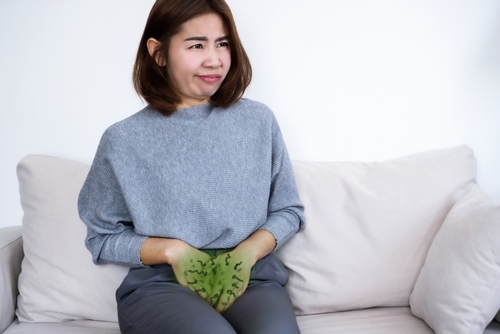
Vaginal discomfort is a common experience, but determining the cause can be confusing. It is easy to mistake one issue for another, which can delay proper care and prolong discomfort. Understanding the differences in yeast vs BV symptoms is a critical starting point. While many vaginal infection symptoms overlap, key distinctions can guide you. Effective BV treatment, for instance, requires a specific approach that differs from treating a yeast infection. Self-diagnosing can be unreliable, and an accurate diagnosis from a healthcare professional is the most dependable path to feeling better.
At Doral Health & Wellness, we provide expert, confidential care for all women’s health concerns. Our dedicated specialists offer precise diagnostics and effective treatment plans in a supportive and reliable environment, ensuring you receive the guidance you need to manage your health with confidence.
Distinguishing Yeast vs. BV Symptoms
Bacterial vaginosis (BV) and yeast infections are the two most common causes of vaginitis, but they are very different. BV is an imbalance of the natural vaginal bacteria, while a yeast infection is an overgrowth of a fungus called Candida.
Key Vaginal Infection Symptoms
Comparing the main symptoms is the best way to tell them apart:
Yeast Infection Symptoms:
- Itching – Intense itching in and around the vagina is the hallmark symptom.
- Discharge – Typically thick, white, and clumpy, often described as looking like cottage cheese. It is usually odorless.
- Irritation – Redness, swelling, and soreness of the vulva.
Bacterial Vaginosis (BV) Symptoms:
- Odor – A distinct, strong fishy odor, which may become more noticeable after sex.
- Discharge – Usually thin, watery, and grayish-white.
- Irritation – Itching is less common and generally milder than with a yeast infection. Some women may feel a burning sensation during urination.
When Could It Be a Sexually Transmitted Infection (STI)?
While yeast infections and BV are not considered STIs, some sexually transmitted infections can produce similar symptoms. For example, trichomoniasis, a common STI, can cause itching, burning, and a change in discharge. If you have a new sexual partner or if you experience symptoms like sores, blisters, or unusual pelvic pain, it is crucial to be tested for STIs. A gyn doctor can perform the necessary tests to give you a definitive answer.
The Importance of a Professional Evaluation
At-home pH tests can offer clues—BV often causes a higher vaginal pH, while yeast infections usually do not—but they are not a substitute for a medical diagnosis. Over-the-counter yeast infection treatments are ineffective for BV and can delay proper care.
What to Expect at the Doctor’s Office
To provide an accurate diagnosis, a gynecology doctor in NY will perform a comprehensive evaluation.
- Pelvic Exam – A physical examination to check for inflammation and observe the discharge.
- Sample Collection – A swab of vaginal fluid is taken for testing.
- Microscopy – The sample may be examined under a microscope in the office to look for yeast cells or “clue cells,” which indicate BV.
- Lab Tests (NAATs) – For suspected STIs, a sample will be sent to a lab for highly accurate nucleic acid amplification tests.
Evidence-Based BV Treatment and Yeast Infection Management
The right treatment depends entirely on the correct diagnosis. A plan from the best gynecologist near me will ensure you get effective relief.
Effective BV Treatment
- Antibiotics – The standard treatment for BV is an antibiotic, most commonly metronidazole or clindamycin. These can be prescribed as oral pills or a vaginal gel. It is critical to complete the full course of medication, even if symptoms improve.
- Recurrence Strategies – BV has a high rate of recurrence. Your doctor may discuss long-term suppressive therapy or other strategies if you experience frequent infections.
Yeast Infection Treatment
- Antifungal Medications – Yeast infections are treated with antifungal creams, suppositories, or oral pills (like fluconazole).
- Recurrent Candidiasis – For women with four or more yeast infections a year, a doctor may recommend a longer course of treatment followed by a maintenance plan.
Prevention, Hygiene, and Sexual Health
Certain habits can help maintain a healthy vaginal environment and reduce the risk of infections.
- Avoid douching, which disrupts the natural balance of vaginal flora.
- Wear breathable cotton underwear and avoid overly tight clothing.
- Change out of wet clothes, like swimsuits or workout gear, promptly.
- Use condoms to reduce the risk of STIs.
Your Partner in Gynecological Health
Distinguishing between yeast vs BV symptoms and other vaginal infection symptoms is the first step toward getting the right care. While it can be tempting to self-treat, a professional diagnosis is the only way to ensure you receive effective therapy, such as proper BV treatment, and rule out more serious conditions. A trusted gyn doctor is your most important resource for achieving and maintaining vaginal health.
The expert women’s health team at Doral Health & Wellness is committed to providing the Brooklyn community with exceptional, state-of-the-art medical care. We are here to offer the guidance and advanced treatments you need to manage your health with confidence and peace of mind. To schedule a consultation, contact Doral Health & Wellness today at 1-718-365-2555or visit us at 1797 Pitkin Avenue, Brooklyn, New York 11212. For general information about Doral Health & Wellness services, you can contact or email info@doralhw.org.