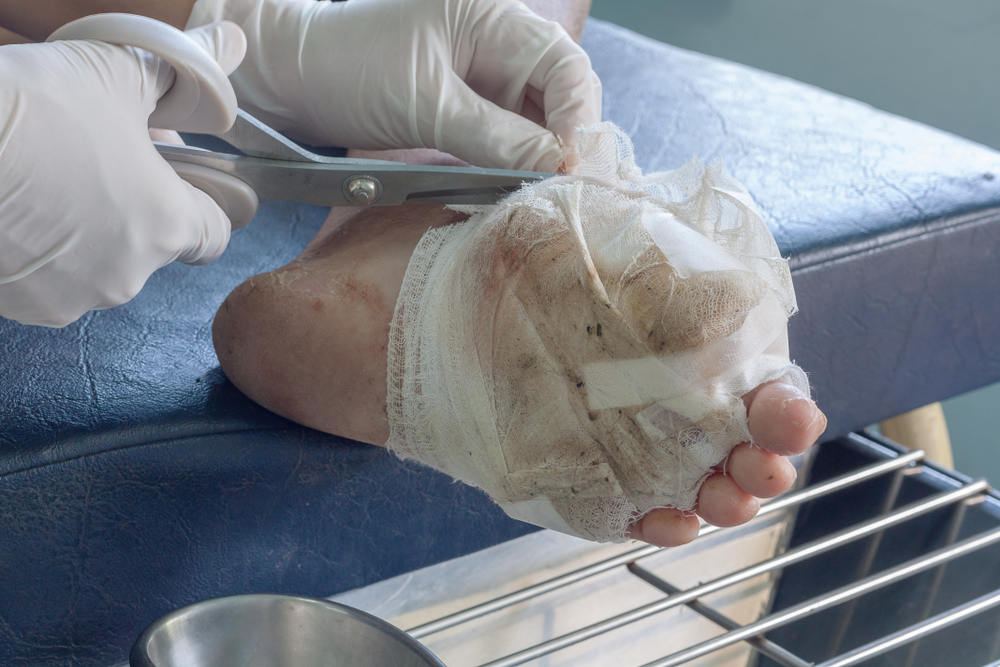
Vascular care centers partnering with podiatrists for diabetic foot care deliver better outcomes than either specialty alone. Together, these teams address circulation problems and foot health simultaneously, reducing the risk of serious complications like amputation through coordinated, long-term diabetic foot management.
Diabetic foot complications are serious. Poor circulation, nerve damage, and slow-healing wounds can escalate quickly — and when they do, the consequences can be life-altering. If your loved one is managing diabetes, understanding how specialized care teams work together is one of the most important things you can do for their long-term health.
Vascular care centers partnering with podiatrists for diabetic foot care offer a coordinated approach that addresses both blood flow and foot health at the same time. This type of team-based care is especially important in urban areas like Brooklyn, where access to multiple specialists can be difficult to coordinate on your own.
Why Vascular and Podiatric Teams Work Better Together
Diabetes affects the body in two interconnected ways that both contribute to foot problems. First, it reduces circulation, limiting the blood supply that feet need to heal. Second, it damages nerves, which means injuries often go unnoticed until they become serious.
A podiatrist focuses on the structure and health of the foot itself. A vascular health specialist focuses on restoring and maintaining blood flow. When these two providers work together, they address both sides of the problem at once. Wounds heal faster. Complications are caught earlier. And your loved one has a clearer, more consistent care plan.
Vascular Care Centers Partnering with Podiatrists for Diabetic Foot Care
Meta description
Learn how vascular care centers partnering with podiatrists for diabetic foot care can prevent serious complications. Find long-term diabetic foot management near you.
In a coordinated care model, a vascular health specialist and a podiatrist share patient records, communicate regularly, and develop treatment plans together. Your loved one does not have to navigate between disconnected appointments or repeat their medical history at every visit.
Typical collaborative services include vascular imaging to assess blood flow, wound care managed by both specialists, surgical planning when needed, and regular monitoring to catch changes before they become emergencies. According to the American Diabetes Association, people with diabetes are 10 to 20 times more likely to undergo a lower-limb amputation than those without the condition. Coordinated care is one of the most effective ways to reduce that risk.
Long-Term Diabetic Foot Management: What Patients Need to Know
Role of a Vascular Health Specialist
Long-term diabetic foot management does not end after a wound heals. It requires ongoing monitoring of circulation, regular foot exams, and adjustments to the care plan as the patient’s condition changes.
A vascular health specialist plays a central role in this process. They monitor arterial blood flow, identify new blockages early, and perform procedures like angioplasty when circulation needs to be restored. Regular check-ins with a vascular health specialist can prevent small changes in blood flow from becoming serious complications.
Key Services and Treatments
Effective long-term diabetic foot management typically includes several layers of care. These are the services most commonly involved:
- Vascular imaging and Doppler ultrasound: Non-invasive scans that track blood flow to the feet and identify problem areas early.
- Wound care and debridement: Specialized treatment for foot ulcers, performed by podiatrists in coordination with vascular providers.
- Angioplasty and stenting: Minimally invasive procedures to open narrowed arteries and restore circulation to the lower limbs.
- Orthotic fittings: Custom shoe inserts and footwear to reduce pressure on vulnerable areas of the foot.
- Patient education: Guidance on daily foot checks, hygiene, and when to seek urgent care.
Each of these services works best when it is part of a consistent, coordinated plan rather than isolated treatments.
How to Access This Type of Care
Start by speaking with your primary care doctor. A referral to both a vascular health specialist and a podiatrist is often covered by insurance when diabetes is part of the diagnosis. Ask specifically about practices or centers where the two specialties collaborate directly.
When you contact a center, ask whether they offer integrated diabetic foot care, what imaging services are available on-site, and how they coordinate between providers. Bringing a list of your loved one’s current medications, recent lab results, and any history of foot wounds will help the care team get started quickly.
You do not have to piece this care together alone. The right center will guide you through the process and keep you informed at every step.
Start the Conversation Today
Diabetic foot complications are serious, but they are also largely preventable with the right care in place. Vascular care centers partnering with podiatrists for diabetic foot care give patients the best chance at avoiding amputation, managing wounds effectively, and maintaining quality of life for years to come.
Reach out tour vascular specialist team by calling us at +1-718-367-2555 or walking into our clinic at 1797 Pitkin Avenue, Brooklyn, NY 11212 to schedule a consultation and allows you to coordinated diabetic foot care programs. Taking that first step is how long-term diabetic foot management begins.