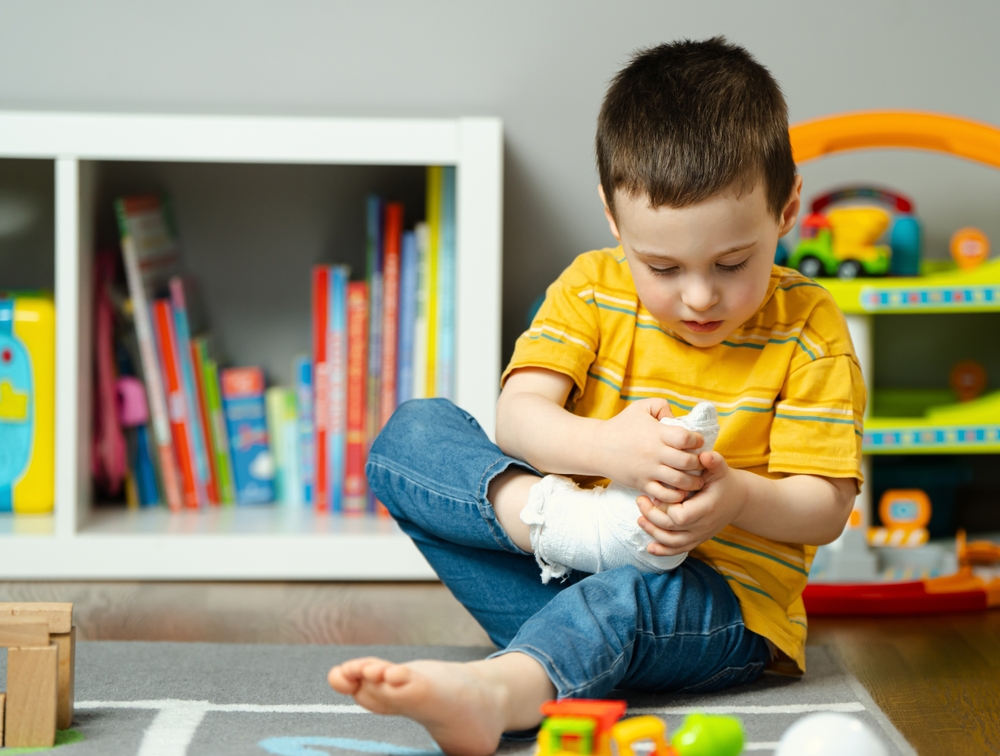
Watching your child limp or complain of foot pain can quickly turn a fun afternoon into a stressful ordeal. While minor bumps and bruises are perfectly normal, persistent pain in the middle of the foot requires closer attention. If you are a concerned parent, you likely want to know exactly what increases the risk of Kohler’s disease and if there are effective ways to prevent Kohler’s disease from developing.
Kohler’s disease is a rare childhood bone disorder that disrupts blood flow to the navicular bone in the foot. When the blood supply stops, the bone tissue can temporarily collapse. This guide breaks down the underlying risk factors and outlines proactive steps you can take to protect your child’s developing feet. Get a consultation with the best Podiatrists in Brooklyn.
Understanding What Increases the Risk of Kohler’s Disease
Medical professionals classify this condition as a form of avascular necrosis. While the exact trigger remains a mystery, doctors have identified several factors that make a child more susceptible to the disorder.
Here is what increases the risk of Kohler’s disease:
- Age and Gender: This condition primarily affects young children, typically boys between the ages of three and seven. Girls can develop it, but it is far less common.
- Delayed Bone Hardening: The navicular bone is one of the last bones in the foot to calcify and harden. As a child grows rapidly, the surrounding bones can compress this soft bone and pinch off its blood supply.
- High-Impact Activities: Children who run, jump, and play intensely put extra mechanical stress on their developing arches. This constant pressure can aggravate the vulnerable mid-foot area.
The Role of Genetics and Foot Mechanics
Some children naturally have different foot structures that put them at a higher risk. Flat feet or an abnormal walking gait can place undue stress on the navicular bone. A certified podiatrist can evaluate your child’s foot mechanics to see if their natural bone alignment contributes to excess strain.
Practical Ways to Prevent Kohler’s Disease
Because genetics and growth spurts play a major role, you cannot stop the condition entirely. However, you can manage the environmental stress placed on your child’s feet. Implementing a few healthy habits is an excellent way to prevent Kohler’s disease from becoming a severe, painful issue.
Consider these preventative steps:
- Prioritize Proper Footwear: Always buy shoes that offer firm arch support and a wide toe box. Avoid letting your child run barefoot on hard surfaces for extended periods.
- Monitor Activity Levels: Encourage active play, but watch for signs of fatigue. If your child complains of foot aches, enforce rest days to let the bones and tissues recover.
- Schedule Routine Checkups: Regular visits to a specialist help catch structural issues early. Taking your child to a reputable podiatry clinic in Brooklyn ensures their feet are developing correctly.
Early Intervention Makes a Difference
Catching a limp early prevents further bone collapse. If you notice your child shifting their weight to the outside of their foot, do not wait for the pain to fade. A podiatrist can provide supportive inserts or a walking boot to take pressure off the bone, allowing it to heal and rebuild its blood supply naturally.
Conclusion: Protect Your Child’s Foot Health
Foot pain should never hold your child back from doing what they love. By understanding the risk factors, you can make informed decisions about their physical health. Focus on providing supportive shoes and monitoring their activity to keep their developing bones safe.
If you suspect your child is struggling with mid-foot pain, take action immediately. Reach out for professional support today. Reach out to Doral Health & Wellness; we have Podiatrists with extensive education and expertise. Our address is 1797 Pitkin Avenue, New York, NY 11212. To make an appointment, please call + 1 718 367 2555, or register your information and make direct contact with us at https://yuz88hfiyh7.typeform.com/Doralintake or send an email to info@doralhw.org.