Seeing your child limp or complain of foot pain is stressful. While occasional aches are common for active kids, persistent discomfort in the middle of the foot requires attention. Understanding the causes of Kohler’s disease and recognizing Kohler’s disease symptoms early on can help you secure the right medical care quickly.
Kohler’s disease is a rare bone condition that primarily affects the navicular bone in the arch of a child’s foot. In this guide, we will break down why this condition develops, how to spot the warning signs, and when it is time to seek professional care. Get a consultation with the best Podiatrists in Brooklyn.
Exploring the Causes of Kohler’s Disease
Medical experts categorize Kohler’s disease as a form of avascular necrosis. This means the navicular bone temporarily loses its blood supply. Without adequate blood flow, the bone tissue dies, causing the bone to collapse and become dense.
While doctors do not know the exact reason the blood supply stops, several factors contribute to the causes of Kohler’s disease:
- Rapid Bone Growth: The navicular bone is one of the last bones in the foot to harden. During rapid growth spurts, the surrounding bones may compress it and cut off blood vessels.
- Excessive Strain: Highly active children who place constant stress on their feet might increase their risk.
- Genetic Factors: Some studies suggest a slight genetic predisposition to altered blood vessel formation in the foot.
If you suspect your child is at risk, consulting a pediatric podiatrist can help you rule out other structural issues.
Who Is Most at Risk?
This condition almost exclusively affects children. It typically appears in boys between the ages of three and seven, though girls can also develop it. The problem usually happens in just one foot, but it can occasionally affect both.
Identifying Common Kohler’s Disease Symptoms
Because young children often struggle to describe their pain accurately, parents must watch for physical cues. Spotting Kohler’s disease symptoms early prevents further irritation to the collapsing bone.
Keep an eye out for these primary indicators:
- Visible Limping: Your child may shift their weight to the outside of their foot to avoid putting pressure on the inner arch.
- Swelling and Redness: The top and middle sections of the foot may look swollen or feel warm to the touch.
- Tenderness: The area over the navicular bone will be highly sensitive if you press on it gently.
- Reluctance to Walk: Your child might refuse to participate in sports or even walk short distances.
If these signs persist for more than a few days, booking an evaluation at a podiatry clinic in Brooklyn is a smart next step. A local specialist can offer a precise diagnosis before the condition worsens.
Getting a Proper Diagnosis
To confirm the diagnosis, a doctor will review your child’s medical history and perform a physical exam. A skilled podiatrist will then order X-rays. In a child with Kohler’s disease, the X-ray will show a flattened, dense navicular bone.
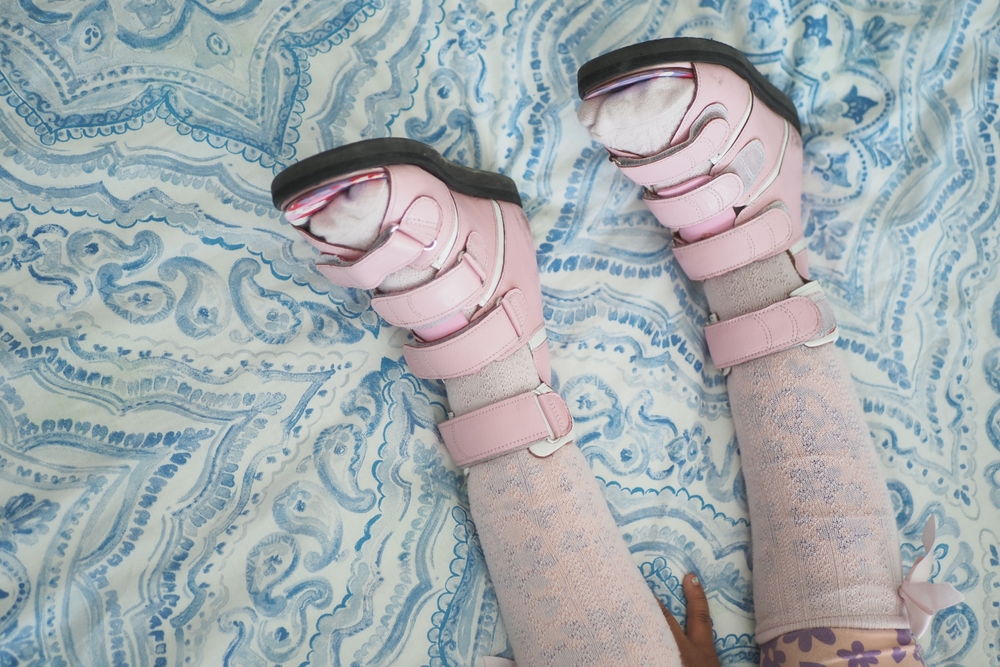
If you visit a reputable podiatry clinic in Brooklyn, the staff will use these images to create a targeted recovery plan, which usually involves resting the foot and using supportive casts or boots.
Conclusion
Watching your child deal with foot pain is difficult, but Kohler’s disease is highly treatable. By understanding the causes of Kohler’s disease and tracking Kohler’s disease symptoms, you empower yourself to make informed healthcare decisions.
Most children make a full recovery with no long-term problems. If you notice persistent limping or arch pain, do not wait. Reach out for professional support today. Reach out to Doral Health & Wellness; we have Podiatrists with extensive education and expertise. Our address is 1797 Pitkin Avenue, New York, NY 11212. To make an appointment, please call + 1 718 367 2555, or register your information and make direct contact with us at https://yuz88hfiyh7.typeform.com/Doralintake or send an email to info@doralhw.org.