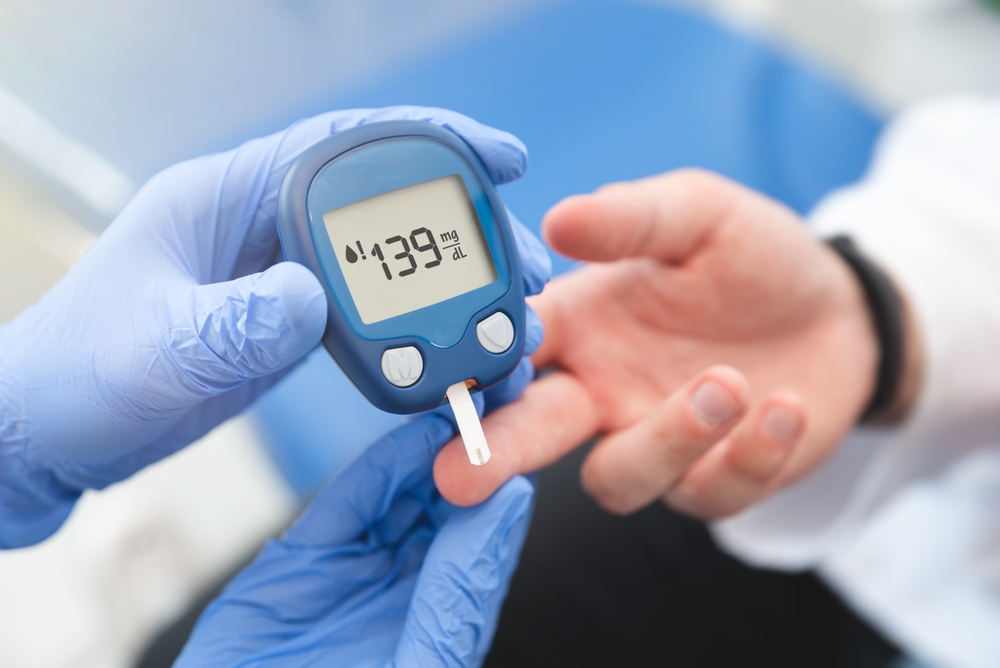
If you are managing diabetes or prediabetes, you are likely familiar with tracking your blood sugar. Among the various tests, one of the most fundamental is the fasting glucose test. So, what is fasting glucose? Simply put, it measures the amount of sugar (glucose) in your blood after an overnight fast—typically 8 to 12 hours without food or drink, except for water. Understanding this number is critical because it provides a clear snapshot of how your body manages blood sugar when it is not influenced by a recent meal. This article explains this crucial metric and clarifies why fasting glucose is important for diabetes patients in controlling their condition.
A high fasting glucose level can be an early warning sign of insulin resistance or a sign that your current diabetes management plan needs adjustment. Monitoring this value helps you and your healthcare provider make informed decisions to protect your long-term health. At Doral Health & Wellness, we have all the answers you need.
Why Fasting Glucose Is Important for Diabetes Patients
Your fasting glucose level is a direct indicator of your body’s ability to regulate blood sugar on its own. After you eat, your blood sugar naturally rises, and your pancreas releases insulin to help move that glucose into your cells for energy. When you are fasting, your liver releases a steady supply of glucose to fuel your body. In people without diabetes, insulin keeps this process in balance. For those with diabetes, this system is impaired, often resulting in high fasting glucose levels.
Consistent monitoring helps prevent long-term complications. Elevated fasting glucose over time can damage nerves, blood vessels, and organs, increasing the risk of heart disease, kidney disease, and vision problems.
Understanding Your Fasting Glucose Numbers
Test results are measured in milligrams per deciliter (mg/dL). The numbers provide a baseline for diagnosing and managing diabetes. The standard ranges are:
- Normal: Less than 100 mg/dL
- Prediabetes: 100 to 125 mg/dL
- Diabetes: 126 mg/dL or higher on two separate occasions
These numbers are not just for diagnosis. For someone already living with diabetes, a diabetes specialist uses these readings to see how well their treatment plan—including medication, diet, and exercise—is working overnight and between meals.
What Causes High Fasting Glucose?
Several factors can lead to an elevated morning reading.
- The Dawn Phenomenon: A natural surge of hormones (like cortisol and growth hormone) in the early morning hours can cause the liver to release extra glucose, raising blood sugar levels.
- The Somogyi Effect: Also known as rebound hyperglycemia, this occurs if your blood sugar drops too low overnight. Your body responds by releasing hormones that trigger the liver to release more glucose, causing a high reading in the morning.
- Medication or Diet: An incorrect medication dosage or a high-carbohydrate snack before bed can also contribute to high fasting glucose.
How to Manage Your Fasting Glucose Levels
Gaining control over your morning blood sugar is achievable with a strategic approach. The goal is to create stability in your body’s metabolic processes. An experienced endocrinologist in Brooklyn, NY, or a local specialist can help you pinpoint the cause and create a personalized plan.
Common strategies include:
- Adjusting Medication Timing: Your doctor might recommend changing when you take your diabetes medication or adjusting the dose.
- Evening Exercise: A light walk or gentle physical activity after dinner can help your body use more glucose, lowering overnight levels.
- Reviewing Your Dinner and Snacks: A meal high in fat and carbohydrates can cause a delayed blood sugar spike. Focus on balanced meals with fiber, protein, and healthy fats.
- Consistent Monitoring: Keeping a log of your readings, food intake, and activity can help you and your diabetes specialist identify patterns.
Understanding what fasting glucose is is the first step toward proactive health management. This simple test offers powerful insights into your body’s metabolic health, making it a cornerstone of diabetes care. By knowing your numbers and why fasting glucose is important for diabetes patients, you can work with your healthcare team to fine-tune your treatment and prevent complications.
If you are in the New York area and need expert guidance, an endocrinologist in Brooklyn, NY, can provide specialized support. Don’t let high morning readings go unaddressed. Take control by contacting our diabetes specialists to schedule a consultation today. Book your appointment now, call us on + 1-718-367-2555 to get your condition treated! Learn more about Diabetes at www.doralhw.org. and stay up to date on current health topics and new research. If you need help, register your information and make direct contact with us at https://yuz88hfiyh7.typeform.com/Doralintake. Or visit us at 1797 Pitkin Avenue, Brooklyn, NY 11212.