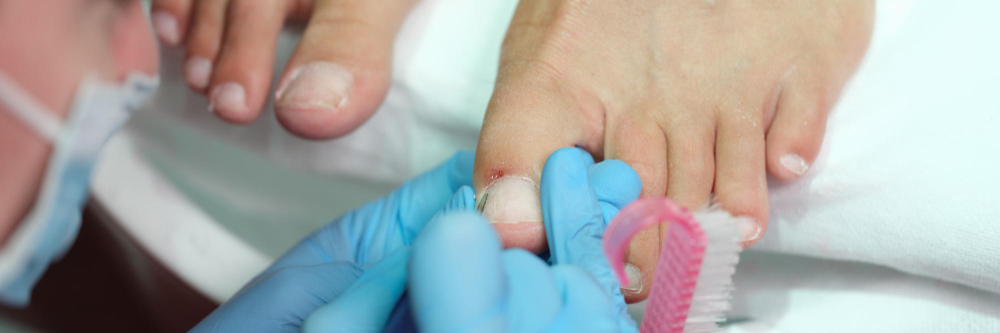
If your toenail tears or falls off, stay calm and act quickly. Rinse the toe with clean water, stop any bleeding with gentle pressure, disinfect the area, then cover it with a sterile bandage. Watch for signs of infection and see a podiatrist if pain, swelling, or bleeding does not improve.
A torn or detached toenail can be painful and alarming. Maybe you stubbed your toe, dropped something heavy on it, or snagged the nail during a run. The sight of a loose or missing nail is enough to make anyone worry. The good news is that most cases heal well with the right care at home.
Knowing what to do if your toenail tears or falls off helps you protect the toe, ease the pain, and lower your risk of infection. This guide walks you through the first aid, disinfection, and bandaging steps for a toenail tear, plus clear signs that it is time to call a podiatry clinic in Brooklyn. Let us get your toe on the road to recovery.
First Aid Steps When a Toenail Tears or Falls Off
A toenail injury can bleed and throb, but calm, careful first aid makes a real difference. Start by washing your hands so you do not introduce germs to the wound. Then focus on two things: stopping the bleeding and cleaning the area.
Stopping the Bleeding
A little bleeding is normal after a nail tears. Here is how to control it safely:
- Apply gentle pressure. Press a clean cloth or gauze over the toe for 5 to 10 minutes.
- Raise your foot. Prop your foot up above heart level to slow the blood flow.
- Stay patient. Avoid lifting the cloth too soon, as this can restart the bleeding.
If the bleeding does not stop after 15 minutes of steady pressure, seek medical care.
Disinfection Steps for a Torn or Detached Toenail
Once the bleeding slows, cleaning the wound is your next priority. Proper disinfection lowers the chance of infection.
- Rinse the toe. Run clean, lukewarm water over the area to flush out dirt and debris.
- Wash gently. Use mild soap around the wound, then rinse again.
- Apply an antiseptic. Dab on an antibiotic ointment to keep the area clean and moist.
Skip harsh products like hydrogen peroxide or rubbing alcohol, since these can slow healing.
First Aid, Disinfection, and Bandaging Steps for a Toenail Tear
Cleaning the wound is only part of the job. Covering the toe properly protects it from dirt, pressure, and further injury while it heals.
How to Bandage the Toe Safely
A good bandage keeps the wound clean and cushioned. Follow these steps:
- Cover the wound. Place a nonstick sterile pad or bandage over the toe.
- Wrap with care. Secure the pad with medical tape or a gauze wrap, but not so tight that it cuts off circulation.
- Change it daily. Replace the bandage once a day, or sooner if it gets wet or dirty.
If part of the nail is still attached, leave it in place unless a podiatrist advises otherwise. The old nail can act as a natural shield.
What to Avoid After a Toenail Tears or Falls Off
Some habits can slow healing or make things worse. Steer clear of these:
- Do not pull off loose nail pieces. Let them separate on their own or have a professional trim them.
- Do not wear tight shoes. Choose open-toe or roomy footwear to reduce pressure.
- Do not ignore warning signs. Redness, pus, or growing pain means it is time to get help.
Caring for the toe gently gives it the best chance to heal cleanly.
When to See a Podiatrist
Most toenail injuries heal at home, but some need a professional eye. A podiatrist can check for hidden damage, treat infection, and help the nail grow back properly.
Reach out to a podiatry clinic in Brooklyn if you notice any of these:
- Heavy bleeding that will not stop after 15 minutes.
- Signs of infection such as pus, warmth, or spreading redness.
- Severe pain or a toe that looks crushed or broken.
- Diabetes or poor circulation, which raise your risk of complications.
If you have diabetes or reduced blood flow, do not treat the toe alone. A small foot problem can turn serious quickly, so let a podiatrist guide your care.
Give Your Toe the Care It Deserves
A torn or missing toenail is unsettling, but you do not have to face it alone. With calm first aid, careful cleaning, and a proper bandage, most toes heal well over time. Watching for warning signs protects your comfort and your health.
If your toe is painful, bleeding heavily, or slow to heal, our Podiatry team is here for you. Our team can treat the injury safely and guide your recovery every step of the way. Reach out today by calling +1 718 367 2555 or visit us at 1797 Pitkin Avenue, New York, NY 11212 to schedule a consultation and give your feet the care they deserve.