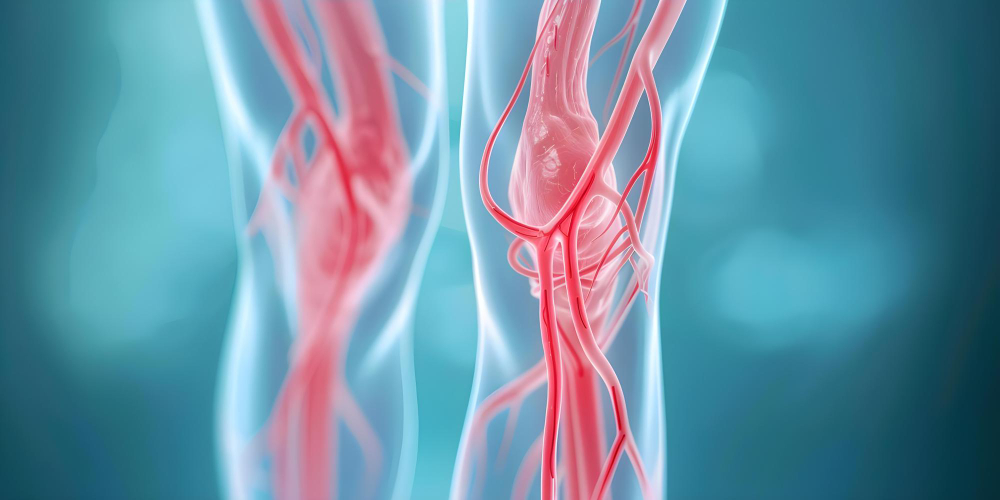
Constant leg pain and swelling should not dictate how you live your life. If you struggle with heavy, aching legs, you might be dealing with Chronic Venous Disease or Venous Insufficiency. When lifestyle changes and compression stockings fall short, finding an effective Varicose Vein Treatment becomes a top priority.
Vein stripping and ligation is a highly effective surgical procedure designed to relieve severe symptoms and improve your overall quality of life. Knowing exactly what happens before, during, and after surgery can help ease your mind. Let us walk through the entire process, so you know exactly what to anticipate when you schedule your procedure and take the first step toward pain-free legs.
Preparing for Your Varicose Vein Treatment
Meeting Your Vascular Surgery Doctor
Before the procedure, you will sit down for a consultation with a Vascular Surgery Doctor to review your medical history. They will perform a physical exam and likely order an ultrasound to map the affected veins in your legs. This vital step ensures the surgery targets the exact source of your Venous Insufficiency. You will also receive guidelines on fasting and adjusting current medications before surgery.
Inside the Vein Stripping and Ligation Procedure
How a Varicose Veins Surgeon Performs the Operation
The operation typically takes one to two hours to complete. You will receive either general anesthesia or a spinal block, meaning you will not feel any pain while the medical team works. Here is exactly what the surgical team will do:
- Making the Incisions: The surgeon makes two small cuts. One goes near your groin, and the other goes farther down your leg, usually near your calf or ankle.
- Ligating the Vein: They tie off the faulty vein to stop blood from flowing through it. This is the “ligation” part of the process.
- Stripping the Vein: A thin, flexible plastic or metal wire is threaded through the diseased vein. The vein is tied to the wire and gently pulled out, removing the damaged vessel entirely.
Once the problematic vein is removed, your healthy veins naturally take over. They reroute the blood flow, restoring proper circulation and alleviating the frustrating symptoms of Chronic Venous Disease.
Recovery and Managing Venous Insufficiency Post-Op
Post-Op Care Instructions
Recovery time varies from patient to patient, but most people return to light activities within two to four weeks. Your Vascular Surgery Doctor will provide specific aftercare instructions to ensure a smooth healing process.
Common recovery steps include:
- Wearing Bandages: You must keep your legs wrapped in compression bandages to reduce swelling and prevent bleeding.
- Prioritizing Rest: Elevate your legs above your heart whenever you sit or lie down.
- Gentle Movement: Short, frequent walks help prevent blood clots and keep your blood moving.
A skilled Varicose Veins Surgeon will monitor your progress during follow-up visits to ensure your incisions heal properly and your circulation improves.
Moving Forward with Healthy Legs
Vein stripping and ligation remain a dependable Varicose Vein Treatment for those battling severe Chronic Venous Disease. By trusting an experienced Varicose Veins Surgeon and carefully following the guidance of your Vascular Surgery Doctor, you can achieve long-lasting relief from the discomfort of Venous Insufficiency.
Ready to take the next step toward comfortable, pain-free legs? Prioritize your Vascular Health today by scheduling an appointment with our certified vascular health specialist at Doral Health & Wellness, who ensures that your vascular health stays on top. To make an appointment, call +1-718-367-2555 to get a consultation, or you can register your information and make direct contact with us at https://yuz88hfiyh7.typeform.com/Doralintake or send an email to info@doralhw.org. You can also visit us at 1797 Pitkin Avenue, Brooklyn, NY 11212.