You beat COVID. So why does your chest still hurt?
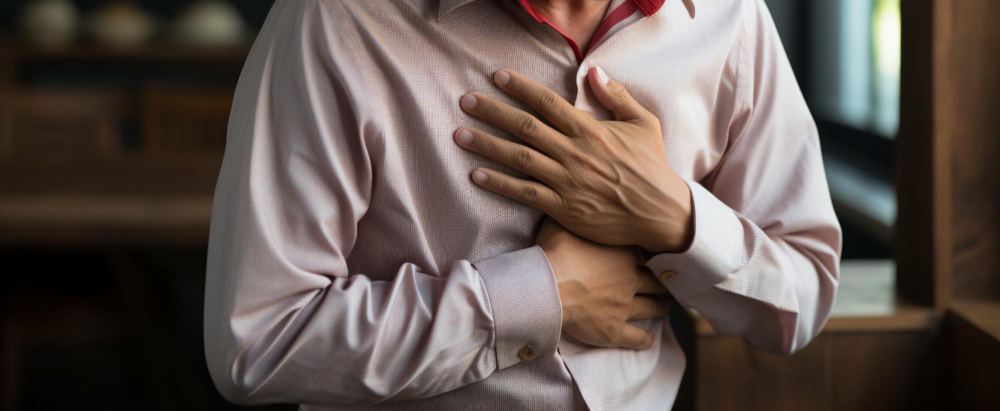
For many young New Yorkers, that lingering ache or tightness is more than a nuisance. It is a real fear. Chest pain after a COVID infection has sent thousands of people in their twenties and thirties to doctors across the city, and that worry is understandable.
The good news is that most of these cases are treatable, and getting answers is easier than you might think. Below, we break down why this is happening, what the symptoms mean, and how a proper evaluation can bring you peace of mind.
You do not have to guess your way through this. Help is available, and understanding the problem is the first step.
Why Chest Pain Is Showing Up in Younger Patients
Before the pandemic, chest pain in a healthy 28-year-old was rare enough to raise eyebrows. Now it is common. That shift has caught the attention of doctors and patients alike.
COVID does not only affect the lungs. It can inflame the heart and blood vessels, which is why symptoms sometimes linger long after the virus clears. Research linked post-COVID conditions to lasting cardiovascular effects, even in people with no prior heart trouble.
If you want a clearer picture of ongoing symptoms, our guide to managing long COVID symptoms walks through what recovery can look like.
Common Reasons Behind Post-COVID Chest Pain
Not all chest pain is the same. Knowing the cause helps ease anxiety and guides treatment.
- Inflammation of the heart: Conditions like myocarditis and pericarditis can develop after infection and often cause a sharp or aching pain.
- Lung-related strain: Lingering respiratory effects can create pressure or discomfort in the chest.
- Anxiety and stress: The emotional weight of illness is real, and it can produce physical chest tightness.
- Muscle soreness: Prolonged coughing during infection can strain chest muscles for weeks.
Each of these has a path forward. Identifying the source is what a proper evaluation is designed to do.
When to See a Cardiologist
Some chest pain is harmless. Some is not. The tricky part is that you cannot always tell the difference on your own, and that uncertainty is exactly what drives people to seek help.
A cardiologist can run simple, non-invasive tests to check how your heart is working. Post-COVID heart symptoms deserve attention rather than dismissal, especially when they persist.
You should seek prompt care if you notice:
- Chest pain that spreads to your arm, jaw, or back
- Shortness of breath during light activity
- A racing or irregular heartbeat
- Fainting or dizziness
If any of these sound familiar, our cardiology care team can help you understand what is happening and what comes next.
Finding the Right Care in Your Neighborhood
Choosing where to go matters. Many patients search for the best cardiologist in Brooklyn because they want expert care close to home.
Working with an experienced cardiologist means you get answers faster and a plan tailored to your recovery. For families juggling busy schedules, that convenience brings real comfort.
If getting to an office feels overwhelming, at-home evaluations and follow-ups can make expert care more accessible. You should never delay checking your heart simply because life is hectic.
Take the Next Step Toward Peace of Mind
Chest pain after COVID is unsettling, but it does not have to control your life. Answers are within reach, and the sooner you get checked, the sooner you can breathe easier.
Do not wait on symptoms that worry you. Reach out today by calling us at +1-718-367-2555 or walking into our clinic at 1797 Pitkin Avenue, Brooklyn, NY 11212 to schedule an evaluation with our compassionate Cardiology team and take the first step toward a healthier, calmer you.