Winter walking with Peripheral artery disease (PAD) can feel harder because cold air tightens blood vessels and makes leg pain show up sooner. You can still stay active when it is freezing in New York by dressing in layers, warming up indoors first, watching for warning signs, and pacing yourself outdoors. If new pain or color changes appear, a vascular surgeon in Brooklyn can help you find a safer path forward.
Cold weather changes everything about how your body moves, and if you live with peripheral artery disease, you have likely already noticed it. The ache that shows up in your calves after a short walk seems to arrive faster once temperatures drop. That is not in your head. It is your circulation responding to the cold, and it deserves a plan, not just worry.
Why Winter Walking Is Harder With PAD
Peripheral artery disease narrows the blood vessels that carry blood to your legs. When blood flow is already limited, cold air makes things more difficult. Your blood vessels naturally tighten in response to cold, which reduces circulation even further.
That means a walk that felt manageable in October might bring on leg pain much sooner in January. You are not losing ground. Your body is simply working harder against two challenges at once: narrowed vessels and winter air.
Knowing this helps you plan instead of feeling caught off guard every time the temperature drops.
Tips to Stay Active When It Is Freezing in New York With PAD
Staying active matters for your overall health, and you do not have to choose between safety and movement. A few adjustments can make winter walking with PAD more manageable.
Safe Indoor Alternatives
On the coldest or iciest days, moving indoors protects your legs without putting your plans on hold.
- Mall walking: Many local malls open early for walkers, giving you a flat, heated space to move.
- Home routines: Gentle marching in place or seated leg exercises keep circulation active without exposure to the cold.
- Community centers: Indoor tracks and senior centers often offer supervised walking programs suited to your pace.
Outdoor Winter Walking Precautions
If you do head outside, a few precautions go a long way toward protecting your legs and your confidence.
- Dress in layers: Warm legs and feet support better circulation, so choose insulated pants and wool socks over thin fabrics.
- Warm up first: Spend a few minutes moving indoors before stepping outside, since this helps ease your vessels into activity gradually.
- Choose your timing: Walking during the warmer midday hours, rather than early morning or evening, reduces cold exposure.
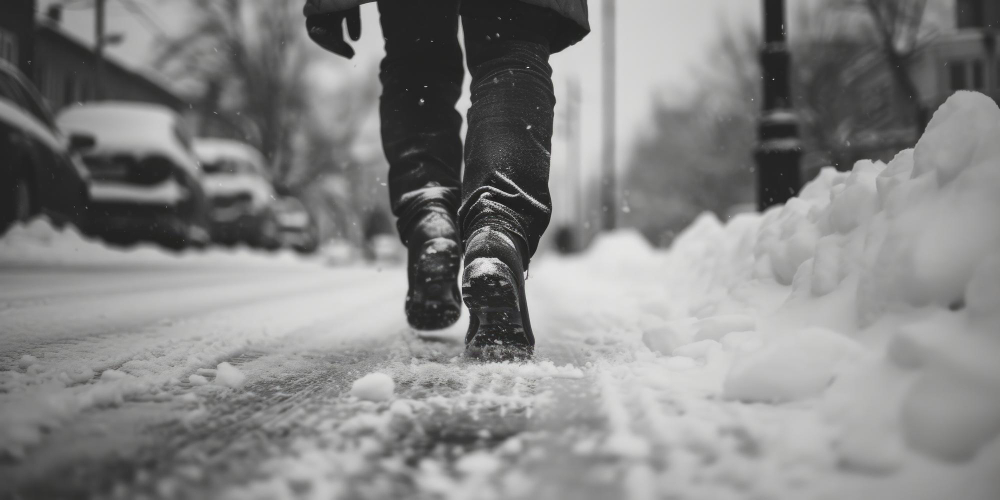
- Watch your footing: Icy sidewalks increase fall risk, so sturdy, non-slip shoes and a walking route you know well are worth the extra thought.
Warning Signs to Watch for During Winter Walking With PAD
Some changes are simply part of living with PAD. Others mean it is time to stop and seek care. Pay attention if you or your loved one notices:
- Leg pain that is new, worsening, or no longer eases with rest
- Toes or feet that turn pale, blue, or feel unusually cold
- Sores on the feet that are slow to heal
- Foot pain that wakes you up at night
When to See a Vascular Surgeon in Brooklyn
You do not need to guess whether these changes matter. A vascular surgeon in Brooklyn can evaluate your circulation, confirm whether PAD is progressing, and recommend next steps, whether that means adjusting your activity, reviewing medication, or exploring advanced imaging. You deserve clear answers, not uncertainty, especially during a season that already asks more of your body.
You Do Not Have to Navigate This Winter Alone
Staying active when it is freezing in New York takes extra planning when you live with PAD, but it is still possible with the right precautions and support. Our Vascular team will guide you when you need advanced imaging, including IVUS, to ensure safe, effective treatment. Reach out to us today by calling +1-718-367-2555 or visiting us at 1797 Pitkin Avenue, Brooklyn, NY 11212, to schedule a consultation and take the next step toward clear answers.