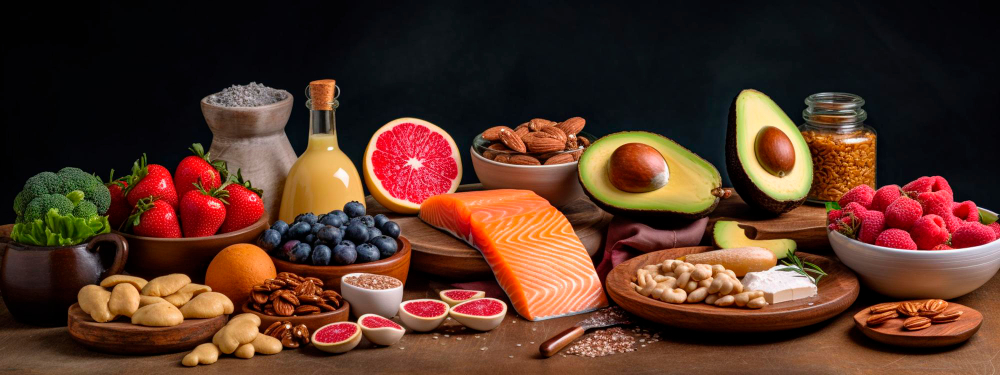
Your hormones affect nearly everything. Your energy, mood, sleep, and strength all depend on them working well. When they fall out of balance, you feel it. The good news is that food can help. Certain nutrients give your body what it needs to make and use hormones the right way. This guide covers the key nutrients proven to support natural hormone production: zinc, vitamin D, and healthy fats. You will learn how each one works, what else supports your hormones, and when it is time to see an endocrinologist. Small, steady changes can make a real difference in how you feel.
Key Nutrients Proven to Support Natural Hormone Production
Food will not fix a hormone problem overnight. Still, research points to a few nutrients that play a direct role in how your body makes hormones. Zinc, vitamin D, and healthy fats top that list to support natural hormone production. Here is how each one helps.
Zinc
Zinc is a mineral your body needs to produce hormones like testosterone. Low zinc levels are often tied to low hormone levels, so filling the gap matters.
You can find zinc in everyday foods:
- Oysters. One of the richest natural sources of zinc.
- Beef and poultry. Simple, familiar ways to add zinc to a meal.
- Pumpkin seeds and lentils. Good plant-based options if you eat less meat.
If you struggle to get enough zinc from food, talk to your doctor before adding a supplement.
Vitamin D
Vitamin D acts more like a hormone than a vitamin. Low levels are linked to low testosterone and other hormone problems. Many people run low, especially during darker months.
Good sources include:
- Sunlight. A short time outdoors helps your body make vitamin D.
- Fatty fish. Salmon, sardines, and mackerel are strong choices.
- Eggs and fortified foods. Easy additions to your daily meals.
If you feel tired and low much of the time, ask your doctor to check your vitamin D level.
Healthy Fats
Your body needs fat to make hormones. Cutting fat too low can work against you. The goal is to choose the right kinds.
Reach for these fats:
- Olive oil. A steady choice for cooking and dressings.
- Avocado and nuts. Filling, nutrient-rich, and easy to add.
- Fatty fish. These give you healthy fats and vitamin D at once.
Focus on whole foods and skip the fried and packaged options when you can.
Additional Nutrients and Dietary Habits That Support Hormones
Zinc, vitamin D, and healthy fats matter most, but they are not the whole picture. A few other habits round out a hormone-friendly diet.
- Magnesium. This mineral may support healthy hormone levels. Find it in leafy greens, beans, and whole grains.
- Protein. Enough protein helps you manage weight, which affects hormone balance.
- Less alcohol. Heavy drinking can lower hormone levels over time.
- Less sugar. High sugar intake is linked to weight gain and lower testosterone.
You do not have to be perfect. Aim for steady progress, not a strict overhaul. Reaching a healthy weight is one of the most reliable ways to support your hormones naturally.
When to See an Endocrinologist
Diet is a strong first step, but it is not always enough. Ongoing symptoms may point to a medical cause that needs proper testing. Low energy, low sex drive, mood changes, or poor sleep that will not lift are worth checking.
An endocrinologist can measure your hormone levels and rule out other conditions. From there, you get a clear plan built around your needs. If you live nearby, our endocrinology clinic in Brooklyn can guide you through testing and next steps.
You do not have to figure this out on your own.
Take the Next Step Toward Better Hormone Health
Low hormone levels can feel discouraging, but you have more control than you may realize. Good food choices, a healthy weight, and the right nutrients all support your body in meaningful ways. Diet works best when paired with proper medical care.
If your symptoms continue, do not manage them alone. Our Endocrinology team is here to help you find answers and build a plan that fits your life. Reach out today by calling +1 718 367 2555 or visit us at 1797 Pitkin Avenue, New York, NY 11212 to schedule a consultation and take the first step toward feeling like yourself again.