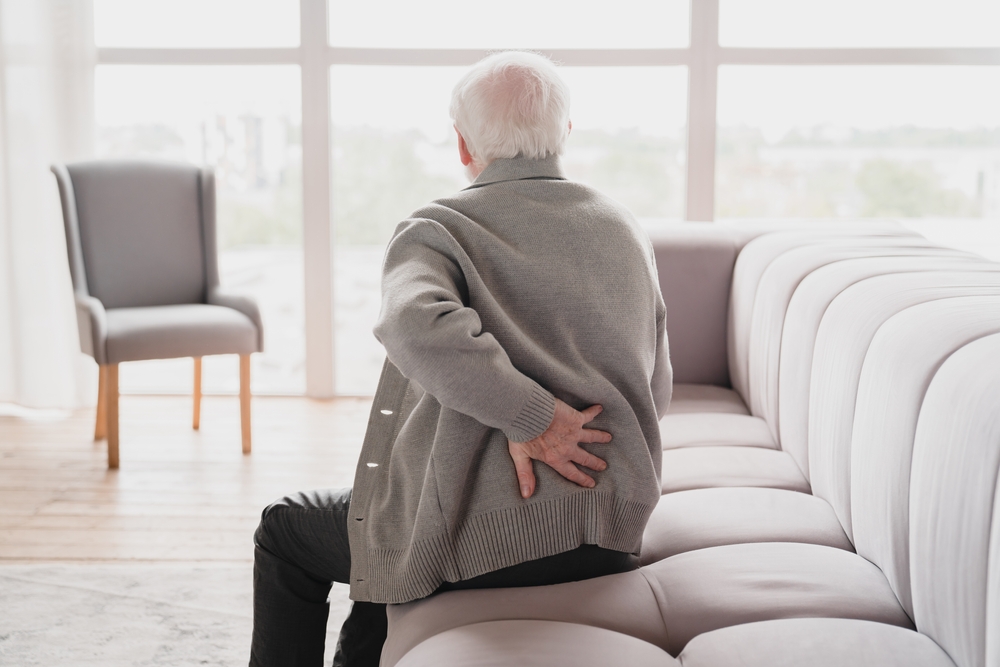
When it comes to chronic pain management, doctors prescribe a combination of medication and non-interventional therapies. These non-interventional therapies involve different non-surgical approaches to manage pain and improve overall well-being. Learn the top non-surgical approaches to chronic pain management in this article. Visit the best Pain Management Clinic in Brooklyn at Doral Health & Wellness or log on to www.doralhw.org.
Non-surgical Approaches to Chronic Pain Management
Many non-surgical approaches can help to manage chronic pain and improve your well-being. These include:
- Acupuncture:
This is an ancient Chinese practice that is used to treat pain by stimulating acupuncture points by inserting thin needles through the skin. Other methods involve using pressure, electrical stimulation, and heat. When acupuncture points get stimulated, it produces endorphins, chemicals that work as natural painkillers and stimulate nerve and muscle tissue which lowers pain. Research suggests that acupuncture can help manage certain pain conditions such as headaches, lower back pain, menstrual cramps, carpal tunnel syndrome, tennis elbow, fibromyalgia, osteoarthritis, and myofascial pain.
- Biofeedback techniques:
These techniques use relaxation and breathing exercises with the help of a biofeedback machine that measures your body functions like heart rate and blood pressure so that you can learn how to control them. Monitoring the biofeedback machine allows patients to learn how to relax specific muscles and control the body’s response to pain to a certain degree. For example, a biofeedback device may give the measurements of your muscle tension. When you watch those measurement changes, you become aware of when muscles get tense and learn to relax them. It may help you control pain like chronic headaches and back pain.
- Electrical stimulation:
This technique involves using a device that sends a gentle electrical current to your nerves or muscles to interrupt or block pain signals to manage pain. It has several types, including:
- Transcutaneous electrical stimulation (TENS)
- Implanted electrical nerve stimulation
- Deep brain or spinal cord stimulation
- Massage therapy:
Massage therapy helps ease pain by reducing tension, and discomfort in muscles, ligaments, and joints. It also improves blood flow to the muscles, ligaments, and bones. It also increases the stimulation of dopamine, serotonin, and other chemicals the body uses to fight stress, anxiety, and depression. So, gentle circular rubbing of the feet, hands, arms, neck, forehead, and back can help.
- Chiropractic treatment:
Chiropractic treatment involves special hands-on techniques to adjust the body by making some adjustments to the musculoskeletal system. This is the most common nonsurgical treatment for back pain; however, it is found effective for treating neck pain as well. Research also suggests that this treatment might be helpful for headaches, neck pain, certain arm and leg conditions, and whiplash.
- Meditation:
It is a mind-body practice that allows you to focus your attention on something such as an object, word, phrase, or breathing. This helps you avoid distracting or stressful thoughts or feelings that make your pain worse.
- Physical therapy:
This therapy involves different techniques such as heat, cold, exercise, massage, and manipulation to relieve pain along with improving strength and mobility.
- Psychotherapy:
This therapy, also known as talk therapy, uses techniques like discussion, listening, and counseling to treat mental and behavioral disorders. It also helps people to develop a tolerance to pain especially, chronic pain by:
- Teaching them coping skills, which allow them to deal with the stress that pain can cause.
- How to address negative thoughts and emotions that make pain worse.
- Give them support.
- Relaxation therapy:
This therapy can lower muscle tension and stress, lower blood pressure, and control pain by tensing and relaxing muscles throughout the body with the help of guided imagery (focusing the mind on positive images) and meditation.
- Diet:
A proper diet can aid your digestive process, which lowers the risk of heart disease, manage weight, and improve blood sugar levels. Additionally, a well-balanced diet is essential for anyone to keep their body fit and active, especially if you live with chronic pain.
- Exercise:
Physical activity can increase strength and flexibility which helps to restore normal motion and release endorphins (natural body painkillers). Endorphins also improve mood and block pain signals. Additionally, physical activity can help interrupt the cycle of pain and reduce mobility that occurs in some chronic conditions like arthritis and fibromyalgia. For starters, you can try gentle activities like walking, swimming, or cycling.
- Laser therapy:
This treatment can lower nerve sensitivity by decreasing pain-causing chemicals in the body and releasing endorphins (the body’s natural pain reliever) that produce a pain-relieving effect. Additionally, it also blocks pain in some nerve fibers.
- Lifestyle modifications:
In some cases, you should adapt and accept that your body has certain limitations. For instance, avoiding activities that worsen pain can help you lower pain and prevent making the underlying condition worse. For some people, changing lifestyle habits like giving up smoking can be good because nicotine can increase pain and delay healing.
- Yoga and tai-chi:
These two exercise practices combine breath control, meditation, and gentle movements to stretch and strengthen muscles. Many studies have found that these exercises can help people manage the pain caused by several conditions like headaches, arthritis, and lingering injuries.
- Music therapy:
Studies have found that music can help in relieving pain during and after surgery and childbirth. Additionally, even listening to music can relieve pain because it triggers dopamine, which is a neurotransmitter associated with reward and improves mood. Classical music has proven to work well, especially if it comes from your favorite genre, it can distract you from pain and discomfort.
Managing chronic pain is filled with challenges and difficulties. However, non-interventional treatments are a good option for managing chronic pain because they improve overall physical and mental well-being with lesser risk involved. Most doctors prescribe a combination of medication and non-interventional therapy to manage chronic pain.
Need help with chronic pain management, visit our pain management clinic in Brooklyn to get professional medical help. Call us to book your appointment now!!!!!
Your pain needs professional assistance, visit our pain management clinic in Brooklyn today or call to get a consultation. The location at 1797 Pitkin Avenue, Brooklyn, NY 11212 is well-served by public transportation, including many bus routes, and the subway line. Visit our website at http://www.painmanagementbrooklyn.com/ or contact us on +1-718-367-2555 for additional details.