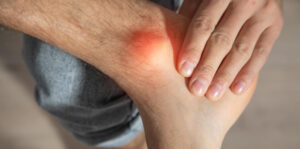
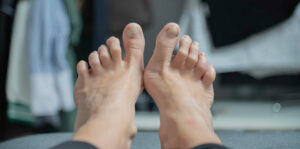
Are you experiencing unexplained pain in your thumb joints? If yes, you’re not alone, the thumb joint is the second most common site of arthritis on the hand which causes swelling, pain, and inflammation. This is a type of osteoarthritis that makes the thumb joint deteriorate gradually. While there’s no cure for arthritis, its symptoms are easily manageable with various treatment options. Learn thumb joint pain causes and risk factors in this article. Log on to www.doralhw.org for a consultation.
Causes and risk factors
Mostly thumb arthritis happens with aging. It occurs when the cartilage around the cushions of the thumb joint begins to deteriorate. It’s prevalent with arthritis-type- osteoarthritis. Normally, thumb joint cartilage covers the ends of the bones which allows the bones to glide smoothly against each other.
With an arthritic thumb, the bones deteriorate which makes the smooth surface rough and makes gliding against each other difficult, causing friction and joint damage. This type of damage to the joint may result in the growth of new bone along the sides of existing bone causing lumps on your thumb joint. Besides osteoarthritis and age, joint infections may lead to the development of thumb arthritis.
Several risk factors can increase the risk of thumb arthritis, including:
- Age: If you’re older than 40 years, your risk of developing thumb arthritis increases.
- Sex: Females are more prone to develop thumb arthritis than males.
- Weight: If you’re overweight or obese, then the risk of developing thumb arthritis increases.
- Genetics: Family history can also be the reason for developing this condition.
- Joint laxity: Loose joints or malformed joints may increase the risk of developing this condition.
- Hormones: Menopause can increase the risk of developing thumb arthritis.
- Injuries: Injuries to the joint like fractures and sprains can increase the risk of thumb arthritis.
- Occupation: If you work in jobs that include computer work, then, it may stress your thumb joints.
- Diseases: Certain diseases can affect the structure and function of the cartilage such as rheumatoid arthritis. However, the most common cause of thumb arthritis is osteoarthritis, rheumatoid arthritis can affect the carpometacarpal (CMC) joint, typically to a lower extent than other joints of the hand.
Diagnosis
To diagnose thumb arthritis, your doctor usually examines your joint and checks the level of pain, movements that make the pain worse, and if you have any previous history of injury. Your doctor may also check your medical history and may ask the following:
- The symptoms you are experiencing and their frequency and severity.
- Are your joints swollen, red, tender, produce a gritty feeling, and warm to the touch?
- If the symptoms start suddenly or gradually.
- If symptoms get worse after activity or rest.
- Do you experience your symptoms at certain times of the day?
- Is there anything that provides relief from the pain?
If the pain is at or around the base of the thumb, the doctor may also check for symptoms of carpal tunnel syndrome to find other possibilities of thumb pain. Your doctor usually recommends an X-ray test to check the signs of thumb arthritis and rule out the condition.
Need help with thumb joint pain, visit our pain management specialist in Brooklyn clinic to get professional medical help. Call us to book your appointment now and manage your pain with ease!!!
Your pain needs professional assistance, visit our pain management clinic in Brooklyn today or call to get a consultation. The location at 1797 Pitkin Avenue, Brooklyn, NY 11212 is well-served by public transportation, including many bus routes, and the subway line. Visit our website at http://www.painmanagementbrooklyn.com/ or contact us on +1-347-384-5690 for additional details.