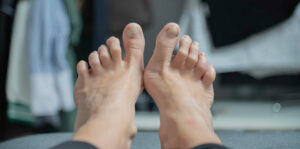
Extensor tendonitis is inflammation of the tendons that run along the top of the foot. Tight shoelaces press directly on these tendons, restricting blood flow and causing friction with every step. This often leads to burning, swelling, and tenderness across the top of the foot. A podiatrist can confirm the diagnosis and recommend simple adjustments to relieve the pain.
A burning sensation across the top of your foot is not something you should have to push through. If it tends to show up after a long walk, a run, or even a full day in work boots, your shoelaces may be the hidden culprit. Extensor tendonitis is a common and treatable condition, and understanding why tight shoelaces cause burning on top of the foot is the first step toward lasting relief.
What Is Extensor Tendonitis?
The extensor tendons run along the top of your foot, connecting your shin muscles to your toes. Their job is to lift your foot and toes with every step you take. When these tendons become irritated or inflamed, the result is extensor tendonitis, a condition that can turn an ordinary walk into a painful one.
Why Tight Shoelaces Cause Burning on Top of the Foot?
Your laces sit directly over the extensor tendons. When they are pulled too tight, they compress the tendons against the bones underneath. That pressure restricts blood flow and creates ongoing friction with each step. Over time, this irritation builds into inflammation, and inflammation shows up as burning, tightness, or aching across the top of the foot.
This is especially common among runners, hikers, and anyone who wears lace-up boots for long shifts. The fix is often simpler than people expect.
Signs You May Have Extensor Tendonitis
You know your body, and a new, nagging pain is worth paying attention to. Common signs include:
- Burning or aching across the top of the foot
- Swelling or a visible ridge where the laces sit
- Pain that worsens with activity and eases with rest
- Stiffness in the morning or after sitting for a while
- Tenderness when pressing along the top of the foot
If these symptoms sound familiar, it is time to stop guessing and get an answer.
How a Podiatrist Diagnoses and Treats Extensor Tendonitis
A podiatrist typically starts with a physical exam, checking for tenderness, swelling, and how your foot moves. In most cases, no imaging is needed, though an X-ray may rule out other causes if symptoms persist.
The encouraging news is that extensor tendonitis usually responds well to conservative care. Treatment often includes:
- Rest and activity changes to calm the irritated tendon
- Ice therapy to reduce swelling
- Loosening laces or switching to padded tongue footwear
- Anti-inflammatory medication for short-term relief
- Physical therapy to rebuild strength and flexibility
A visit to a podiatry clinic in Brooklyn can help you pinpoint exactly which adjustments will work best for your foot and your routine.
You Do Not Have to Push Through the Pain
Living with foot pain is exhausting, and it tends to affect everything from your workouts to your workday. The reassuring part is that extensor tendonitis is very manageable once the cause is identified.
If burning across the top of your foot has become a regular occurrence, reach out to our podiatry team today by calling +1-718-367-2555 or visiting us at 1797 Pitkin Avenue, Brooklyn, NY 1121 to schedule an evaluation. Our team can confirm the diagnosis and build a care plan suited to your lifestyle, so you can get back to moving without pain holding you back.