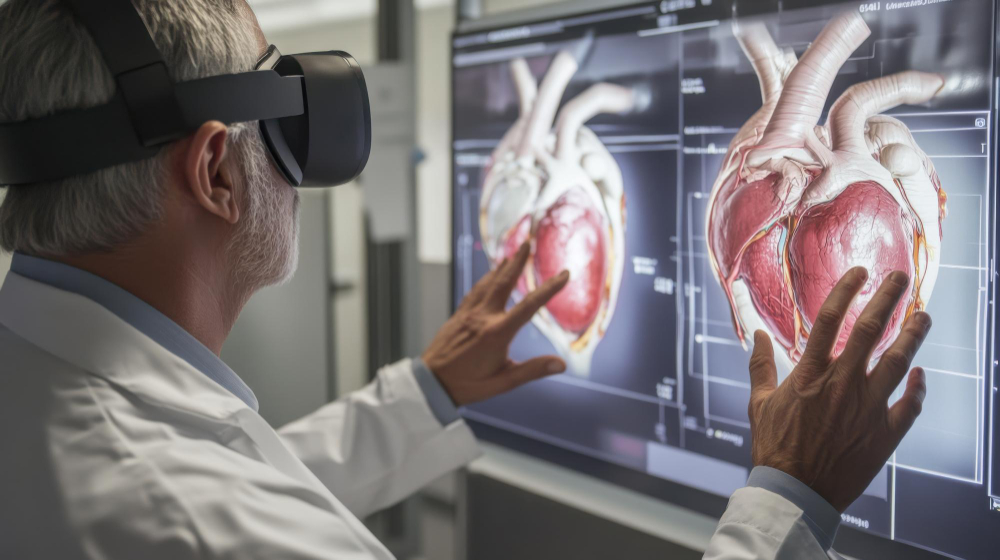
Cardiac positron emission tomography, or cardiac PET, is an imaging test that helps your cardiologist determine whether heart muscle tissue is still alive and capable of recovering function. Assessing myocardial viability before revascularization helps your care team decide if procedures like bypass surgery or stenting will actually improve your heart’s performance.
Learning that your heart needs a closer look can feel overwhelming. You may be facing decisions about surgery, stents, or other procedures, and you want to know they will truly help before you move forward.
This is where cardiac positron emission tomography comes in. Assessing myocardial viability before revascularization gives your cardiologist a clear picture of which areas of your heart muscle are still viable. That information shapes a treatment plan built around your actual needs, not guesswork.
What Does Cardiac PET Show Your Cardiologist?
A cardiac PET scan uses a small amount of a radioactive tracer to measure blood flow and metabolic activity in your heart muscle. Areas with strong activity are considered viable. Areas with little or no activity may be permanently damaged.
Why This Distinction Matters
Not every weak spot on your heart needs surgery. Some tissue has simply gone quiet from reduced blood flow but can recover once circulation improves. Other tissue has scarred and will not respond to revascularization. Knowing the difference helps avoid procedures that carry risk without meaningful benefit.
How Assessing Myocardial Viability Before Revascularization Guides Treatment
Your cardiologist uses PET results alongside your symptoms, history, and other imaging to decide the safest path forward.
- Confirms candidacy for surgery: If enough viable tissue is found, your care team may recommend bypass surgery or angioplasty.
- Avoids unnecessary procedures: If the muscle shows no viability, your cardiologist may recommend medication management instead.
- Supports long-term planning: Results help track whether your heart function is likely to improve over time.
PET Finding | Likely Recommendation |
High viability | Revascularization considered |
Mixed viability | Further evaluation needed |
Low or no viability | Medical management favored |
What Should You Expect During the Scan?
The test is noninvasive and typically takes one to two hours, including rest and imaging time. You will lie still while a scanner captures detailed images of your heart. Most people return to normal activity the same day.
Why Local Care Matters
Finding a cardiology clinic in Brooklyn that offers cardiac PET imaging means shorter travel times and continuity of care close to home. A cardiology clinic in Brooklyn familiar with your community can also coordinate follow-up visits and recovery support more easily, which matters when every appointment adds stress to an already difficult time.
You Do Not Have to Navigate This Alone
Facing a heart procedure is frightening, especially when you are unsure if it will help. Assessing myocardial viability before revascularization gives you and your cardiologist real answers instead of assumptions. Our team connects patients and families with qualified cardiologists who explain every step clearly and coordinate care around your life, not the other way around. Reach out to our Cardiology team today by calling +1-718-367-2555 or visiting us at 1797 Pitkin Avenue, Brooklyn, NY 1121 to talk about what your heart truly needs.