An accessory navicular bone is an extra piece of bone or cartilage that forms near the arch of the foot in some children. It is present from birth, but it often stays silent until growth spurts, sports activity, or tight shoes put pressure on the area, causing a visible bump and pain along the inner arch. A podiatrist can confirm the diagnosis and guide your family toward the right treatment.
A sore, swollen bump on your child’s foot can be frightening, especially when you do not know the cause. If your son or daughter has started complaining about arch pain after soccer practice or a long day at school, you are not imagining it, and you are not overreacting by seeking answers.
One common but often overlooked cause is an accessory navicular bone. This extra bone forms during fetal development in roughly 10 to 14 percent of the population, according to the American Academy of Orthopaedic Surgeons. Most people never know they have one. For some children, though, it becomes a genuine source of pain, especially during the growth years between ages 9 and 15.
What Is an Accessory Navicular Bone?
The navicular bone sits on the inner side of the midfoot, helping support the arch. In children with an accessory navicular bone, a small extra piece of bone or cartilage attaches to this area. It is a congenital condition, meaning your child was born with it, not something that developed from an injury.
Many children go their whole lives without symptoms. Trouble tends to start when the posterior tibial tendon, which connects to this extra bone, becomes irritated from repetitive stress or a growth spurt.
Why Does It Suddenly Start Hurting?
Parents often ask why a lifelong condition suddenly causes pain. The honest answer is that growth and activity change the pressure on the foot. Common triggers include:
- Growth spurts: Rapid bone growth can place new strain on the tendon attached to the accessory navicular bone.
- Sports and activity: Running, jumping, and quick direction changes increase stress on the arch.
- Tight or unsupportive shoes: Footwear that rubs against the bump can worsen irritation and swelling.
- A fall or ankle sprain: Trauma can inflame the area even if the bone itself was never the direct point of impact.
Signs Your Child May Have This Condition
You know your child best, and a change in how they walk or play is worth paying attention to. Look for:
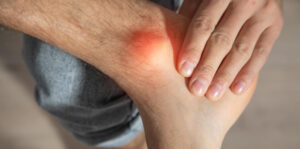
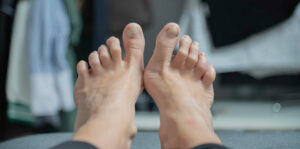
- A visible bony bump on the inner arch, just above the instep
- Redness or swelling around that bump
- Pain that worsens with activity and improves with rest
- Limping or avoiding certain shoes
- Complaints of a dull ache rather than sharp pain
If these symptoms sound familiar, a podiatrist can examine your child’s foot and confirm whether an accessory navicular bone is the cause.
How Is It Diagnosed and Treated?
A podiatrist typically starts with a physical exam, checking for tenderness, swelling, and foot alignment. X-rays usually confirm the diagnosis by showing the extra bone fragment.
The good news is that most children respond well to conservative, non-surgical care. Treatment often includes:
Treatment | What It Does |
Rest and activity modification | Reduces strain on the irritated tendon |
Ice therapy | Calms swelling and discomfort |
Supports the arch and redistributes pressure | |
Immobilization (boot or cast) | Allows the area to heal during flare-ups |
Physical therapy | Strengthens supporting muscles and tendons |
Surgery is only considered in persistent cases that do not improve with conservative treatment. Your podiatrist will walk you through every option so you and your child feel informed, not overwhelmed.
You Do Not Have to Navigate This Alone
Watching your child favor one foot or wince during a simple walk is hard on any parent. The reassuring part is that an accessory navicular bone, while uncomfortable, is very manageable with the right guidance.
If your child has a painful bump on the arch of their foot, reach out to our podiatry team by calling +1-718-367-2555 or visiting us at 1797 Pitkin Avenue, Brooklyn, NY 1121 to schedule an evaluation. Our team can confirm the diagnosis and build a care plan suited to your child’s needs, so they can get back to running, playing, and simply being a kid.