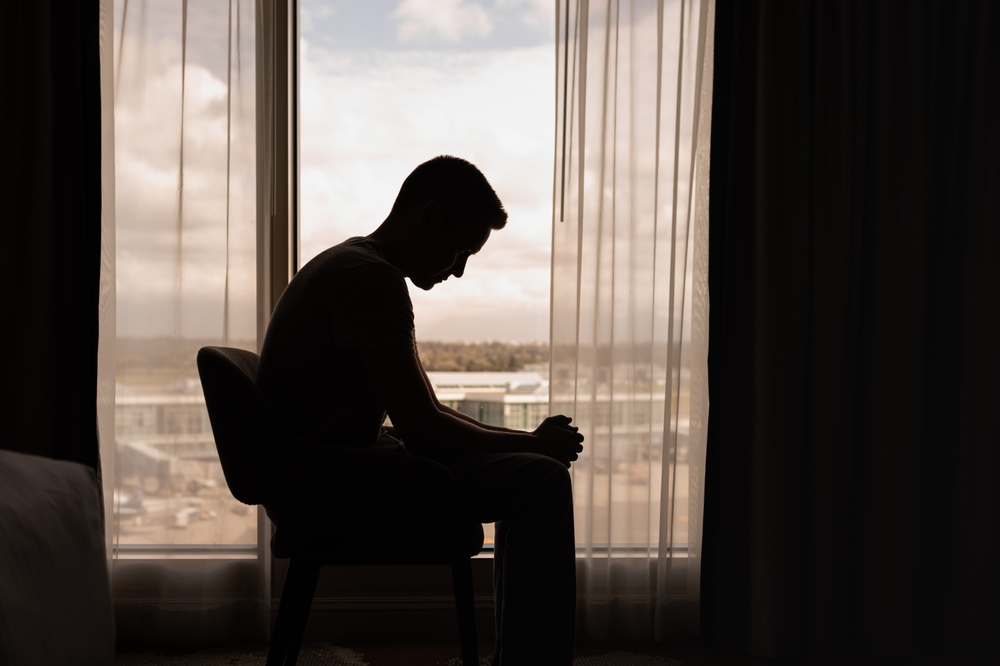
Depression is a serious type of mood disorder that significantly impacts the way you feel, think, and behave on a daily basis. Medically, it’s referred to as clinical depression or major depressive disorder, and it goes far beyond occasional sadness or emotional distress. It’s a persistent condition that disrupts daily functioning, relationships, and even your physical health.
While it’s completely normal to feel down or grieve during tough life events—such as the death of a loved one, job loss, or the end of a relationship—depression is marked by a continuous presence of sadness and hopelessness for two weeks or more. When these emotions become chronic and begin to affect your ability to work, eat, sleep, or maintain relationships, they are no longer considered a normal part of life—they are signs of depression that should not be ignored.
Recognizing the signs of depression early is critical. These signs can be emotional, behavioral, and even physical. Common emotional signs include persistent sadness, loss of interest in previously enjoyed activities, feelings of guilt or worthlessness, and difficulty concentrating. On the physical side, fatigue, changes in appetite or weight, and sleep disturbances are often present. In some cases, individuals may experience unexplained aches and pains, which are also linked to depression.
Although depression can affect anyone at any stage of life, it most commonly begins during the late teens to mid-20s. Research shows that a combination of genetic, biological, environmental, and psychological factors can contribute to the onset of depression. For example, people with a family history of depression are more likely to develop it themselves, especially when exposed to high-stress environments or traumatic events.
Unfortunately, many individuals experiencing the signs of depression do not seek help early, either due to stigma, lack of awareness, or misunderstanding their symptoms. This delay in treatment can lead to severe consequences, including self-harm or suicide. Globally, depression affects approximately 1 in 15 adults each year, and 1 in 6 people will experience it at some point in their lives. Alarmingly, severe cases of depression are responsible for nearly 850,000 deaths annually due to suicide.
Depression often coexists with chronic health conditions like diabetes, cancer, cardiovascular disease, or chronic pain, further complicating the individual’s health and quality of life. Additionally, some medications can cause side effects that mimic or trigger depressive symptoms.
Because of the widespread impact of this condition, it’s crucial to be proactive. If you or a loved one start experiencing any of the signs of depression, don’t hesitate to seek professional support. Early intervention and proper treatment can significantly improve outcomes and help individuals regain control of their lives.
For compassionate and expert mental health support, visit the best Mental Health Clinic in Brooklyn at Doral Health & Wellness or log on to www.doralhw.org to schedule an appointment.
What Does Depression Look Like?
Recognizing the signs of depression is essential for early intervention and proper care. Depression doesn’t always appear as overwhelming sadness—it can present in subtle ways that affect your emotions, thoughts, behaviors, and even your body. Here’s a deeper look at the most common signs of depression:
Persistent feelings of sadness, emptiness, or anxiety:
One of the first signs of depression is an ongoing sense of sadness that doesn’t seem to have a clear reason. This emotional numbness or constant worry can become your daily emotional baseline, making it difficult to enjoy life or feel emotionally connected to others.Feeling hopeless, pessimistic, or worthless:
These thought patterns often feed into each other. You might begin to believe that nothing will get better or that you’re not valuable. This deep internal negativity is a hallmark sign of depression and often leads to withdrawing from others.Increased irritability or anger:
Depression isn’t just about feeling sad. For many people, especially men, it may show up as irritability or unexplained anger. You might find yourself becoming frustrated over minor issues or feeling generally agitated without understanding why.Low energy levels or constant fatigue:
Feeling physically drained—even after a full night’s sleep—is one of the most overlooked signs of depression. This fatigue isn’t always caused by exertion; it’s often linked to the emotional toll depression takes on the body.Memory issues, poor concentration, or difficulty making decisions:
Depression can affect your cognitive functions. You may find it hard to focus at work or school, forget basic tasks, or feel overwhelmed by simple decisions like what to eat or wear.Slowed speech or movements:
Depression can physically slow you down. You may talk more slowly, move less, or take longer to respond in conversations. These physical signs are common but often go unnoticed by the person experiencing them.Loss of interest or pleasure in hobbies and activities:
When the things you once loved—like reading, socializing, or music—no longer bring joy or motivation, it could be a strong sign of depression. This symptom is known as anhedonia and is one of the defining characteristics of clinical depression.Weight fluctuations or changes in appetite:
Some people may overeat as a way to cope with emotional distress, while others may lose their appetite altogether. Sudden weight gain or loss, without trying, can be another sign that something deeper is affecting your health.Unexplained physical pain:
Depression doesn’t only live in the mind. Many people report headaches, stomachaches, or chronic pain without any medical explanation. These physical symptoms are often misdiagnosed, delaying proper treatment for the root emotional cause.Self-harm or suicidal thoughts:
In more severe cases, depression can lead to thoughts of self-harm or suicide. These are the most dangerous signs of depression and require immediate professional support. If you or someone you know is experiencing these thoughts, seek help urgently.Disrupted sleep patterns:
Trouble falling asleep, staying asleep, or sleeping too much are all signs of depression that affect both mental clarity and physical energy. Over time, sleep disturbances can worsen all other symptoms and create a cycle that’s difficult to break.
Gender and Age Differences in the Signs of Depression
Depression doesn’t look the same for everyone. The condition manifests differently based on gender and age, and understanding these variations is key to recognizing the signs of depression early on. Let’s explore how depression symptoms can differ in males, females, and children, and what specific signs of depression to look for in each group.
Signs of Depression in Males
Men often show depression through external behaviors rather than openly expressed emotions. This can make it harder to identify when they’re struggling.
Mood changes like anger, irritability, and restlessness:
One of the common signs of depression in men is persistent irritability or unexplained anger. These mood changes are often misinterpreted as frustration or stress, when in fact they may indicate deeper emotional struggles.Emotional symptoms such as feeling hopeless or empty:
Though men may be less likely to vocalize feelings of sadness, internal emotional emptiness, a sense of purposelessness, and numbness are frequently present.Behavioral changes:
Depression can lead to withdrawal from once-loved activities, chronic fatigue, or dangerous behavior. Some men turn to alcohol or drugs as a coping mechanism, or engage in risky behaviors like reckless driving or unsafe sex. These are serious signs of depression that should not be ignored.Decreased sexual interest or performance:
Depression affects libido and physical performance. Men may feel ashamed or confused by these changes, which can further damage self-esteem and emotional wellbeing.Cognitive difficulties:
Trouble focusing, making decisions, or responding promptly in conversations are subtle but impactful signs of depression that affect daily life and relationships.Sleep disturbances:
Whether it’s insomnia or sleeping excessively, irregular sleep patterns are a consistent sign. Sleep difficulties in men often worsen fatigue and irritability.Physical symptoms:
Men may report chronic pain, frequent headaches, or digestive issues without any medical explanation. These physical symptoms are often overlooked as related to mental health but are strong signs of depression.
Signs of Depression in Females
Women tend to show depression in ways that are more emotionally and socially visible, but their symptoms are no less serious.
Frequent mood shifts:
Irritability, sadness, and anxiety are prominent signs of depression in women. Hormonal shifts can sometimes intensify these symptoms, especially during postpartum, menstruation, or menopause.Emotional struggles:
A deep sense of emptiness, frequent crying, or feelings of being overwhelmed are very common. These emotional symptoms can be mistaken for general stress, but when persistent, they signal depression.Behavioral withdrawal:
Women may begin to pull away from social circles, avoid conversations, or stop participating in hobbies they once loved. These behavioral shifts are critical signs of depression.Slowed thinking or speaking:
Some women describe feeling as if they are moving or speaking in slow motion. This cognitive slowing is another sign, often paired with difficulty concentrating.Changes in sleep habits:
Trouble falling asleep, waking up too early, or oversleeping are all ways depression can disturb a woman’s rest. These changes contribute to fatigue and low motivation.Physical symptoms:
Women may report fatigue, reduced energy, headaches, stomach pain, or weight fluctuations. These physical signs of depression can mimic other conditions but often go unresolved without emotional support.
Signs of Depression in Children
Children may not have the vocabulary to explain their feelings, so it’s crucial to observe their behaviors and body language for early signs of depression.
Mood swings or irritability:
Unlike adults, children often express depression through anger or emotional outbursts. Rapid shifts in mood or prolonged irritability could be warning signs.Emotional signals:
Ongoing crying, a constant sad demeanor, or expressions of feeling unloved or unwanted are significant signs of depression in children.Behavioral red flags:
Skipping school, avoiding friends, or a sudden drop in academic performance can indicate emotional distress. Some children might even express thoughts of self-harm or act out aggressively.Cognitive impact:
Trouble focusing, completing homework, or a sudden decline in school grades may stem from internal struggles rather than a lack of ability.Disrupted sleep:
Some children have difficulty falling asleep, wake frequently during the night, or sleep far more than usual. Consistent sleep problems should raise concern.Physical issues:
Complaints of stomach aches, loss of appetite, or frequent fatigue without any medical cause may be physical signs of depression.
Need professional help? Visit our mental health clinic in Brooklyn, where mental health professionals & therapists will listen to your concerns and teach you how to improve your thinking and handle social situations like a pro.
“Your mental health is the key to a good life, don’t let problems affect them.” Call us on +1-347-384-5690 to get a consultation. We have some of the finest experienced psychiatrist doctors who listen to your concerns, examine your symptoms, and create a treatment plan to improve your condition as soon as possible. If you need help learning coping methods, register your information and make direct contact with our doctors and psychiatrists to learn those methods, log on to www.doralhw.org. Visit us at 1797 Pitkin Avenue, Brooklyn, NY 11212.