The diagnostic workup for fevers of unknown origin starts with a detailed history and physical exam, followed by basic blood work, blood cultures, and imaging. If initial tests do not reveal a cause, doctors may bring in an infectious disease specialist to guide more targeted testing. This stepwise approach protects your loved one from unnecessary treatments while the real cause is found.
A fever that lingers for weeks without an obvious cause is unsettling. You watch your loved one struggle through fatigue, chills, and uncertainty, and the waiting can feel endless. When standard explanations like a cold or flu are ruled out, doctors turn to a structured diagnostic workup for fevers of unknown origin to find answers. Understanding how this process works can ease some of that worry and help you know what to expect at each step.
What Counts as a Fever of Unknown Origin?
Doctors generally define a fever of unknown origin, or FUO, as a temperature above 101degF that lasts more than three weeks without a clear cause, even after initial evaluation. This is not the same as a short-term fever from a common infection. It requires closer investigation because the possible causes range widely, from infections to autoimmune conditions to certain cancers.
The Diagnostic Workup for Fevers of Unknown Origin: Step by Step
Finding the source of a prolonged fever takes patience and a careful process of elimination. Here is how your care team typically approaches it.
Step One: A Thorough History and Physical Exam
Before any testing begins, your doctor will ask detailed questions about travel history, recent illnesses, medications, and exposure to animals or sick contacts. A physical exam checks for swollen lymph nodes, rashes, or other clues the body may be offering. This step matters because it narrows down which tests make sense next.
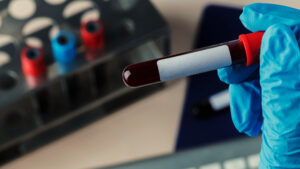
Step Two: Basic Laboratory Testing
Next, your loved one will likely have blood drawn for several standard tests, including:
- Complete blood count: Checks for signs of infection or inflammation
- Blood cultures: Look for bacteria or fungi in the bloodstream
- Inflammatory markers: Measures substances like C-reactive protein that rise during infection or inflammation
- Urinalysis: Rules out a urinary tract infection as the source
Step Three: Imaging Studies
If blood work does not reveal an answer, doctors often order imaging such as a chest X-ray or CT scan of the chest, abdomen, and pelvis. These scans help identify hidden infections, abscesses, or other abnormalities that blood tests alone cannot catch.
Step Four: Specialized Testing and Referral
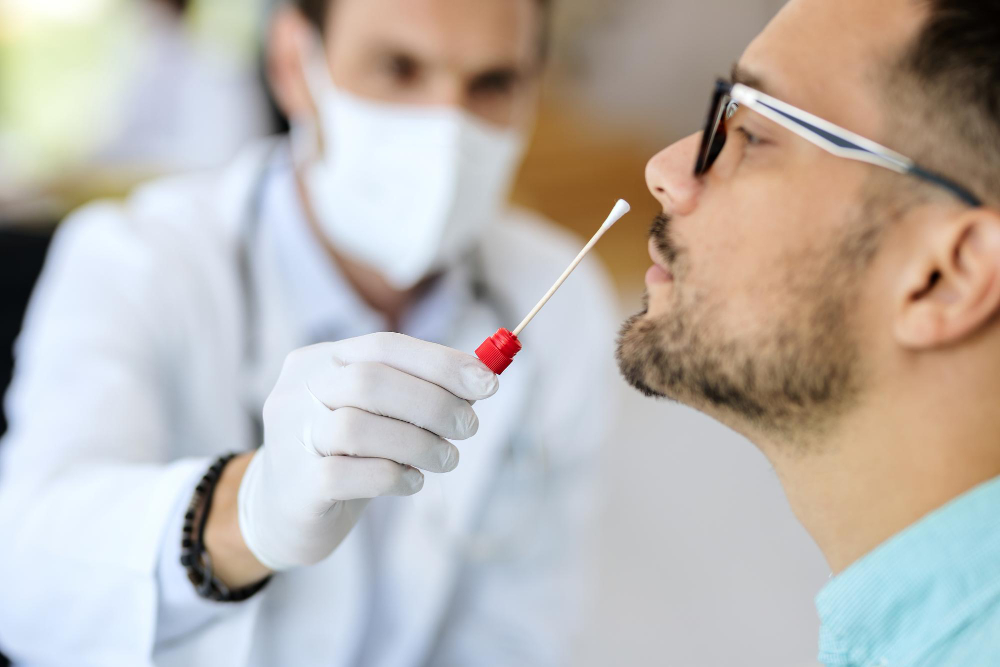
When the cause is still not clear, your care team may bring in an infectious disease specialist to review the case and recommend more targeted testing. This can include additional cultures, biopsies, or specialized imaging. An infectious disease specialist brings deep knowledge of rare and complex infections, which can make a real difference when the standard workup has not provided an answer.
Why a Stepwise Approach Matters for Your Family
It is tempting to want every test run at once, but a careful stepwise process actually protects your loved one. Unnecessary testing can lead to false results, added stress, and delays in treatment. By moving through each stage methodically, your care team increases the chance of finding the true cause while avoiding treatments that are not needed.
You are not waiting without purpose. You are waiting for an accurate answer that leads to the right care.
When to Seek Help from Infectious Disease Doctors in Brooklyn
If your loved one has had a fever for several weeks without a clear explanation, it may be time to consult infectious disease doctors in Brooklyn who specialize in complex or persistent infections. Families often search for infectious disease doctors in Brooklyn when a primary care workup has not provided answers, since a specialist can order more advanced testing and coordinate ongoing care at home.
You Do Not Have to Face This Uncertainty Alone
A prolonged fever is frightening, but a clear diagnostic process and the right specialists can bring you closer to answers. If your loved one needs continued monitoring or home-based care while this workup moves forward, our team is here to help. Reach out to our infectious disease specialists today by calling +1-718-367-2555 or visiting us at 1797 Pitkin Avenue, Brooklyn, NY 1121 to arrange compassionate, qualified support.