A sudden fever or confusion in an aging parent can feel frightening, especially when you are not sure what is causing it. Sepsis is one of the most serious possibilities, and catching it early depends on accurate lab work. Serial blood culture testing is the method doctors rely on to confirm infection and identify exactly which pathogen is responsible. Understanding how labs pinpoint sepsis pathogens can ease some of that uncertainty and help you know what to expect if your loved one needs this test.
What Is Serial Blood Culture Testing?
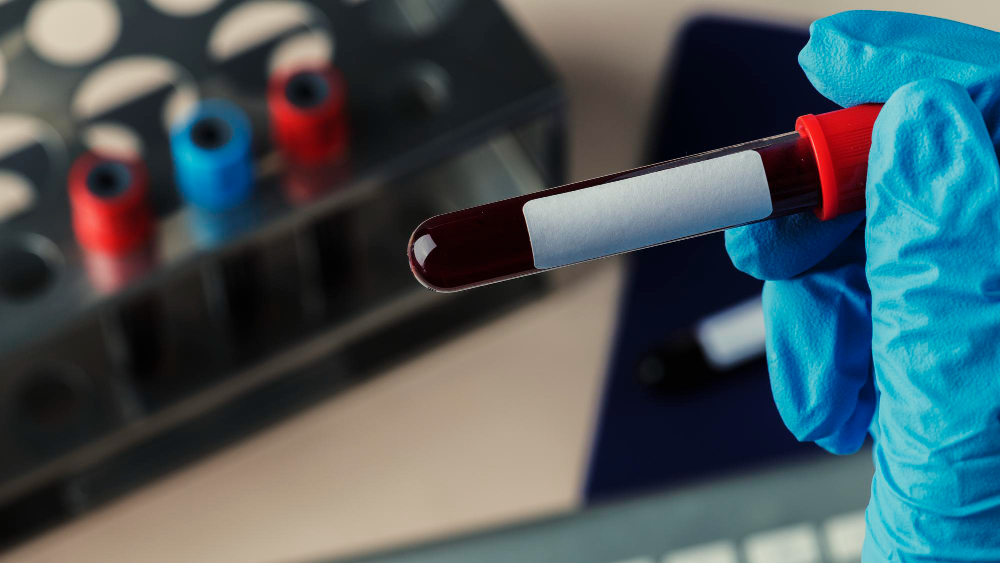
A blood culture test checks for bacteria or fungi in the bloodstream. Serial testing simply means drawing blood more than once, usually from two different sites, within a short window of time. This repetition matters. A single sample can sometimes miss an infection or pick up contamination from the skin. Multiple draws give the lab a clearer, more reliable picture.
Your care team may order serial blood culture testing if your loved one shows signs such as:
- A fever that will not break
- Rapid heart rate or breathing
- Confusion or sudden changes in alertness
- Low blood pressure without another clear cause
These symptoms do not always mean sepsis, but they are reason enough to look closely.
How Labs Pinpoint Sepsis Pathogens Through Serial Testing
Once the samples arrive, the lab works through a careful process to find and name the organism causing the infection.
Step One: Collecting Multiple Blood Samples
Technicians draw blood from two or more sites, often from different veins, to reduce the chance of a false result. Timing and sterile technique both matter here, since even small contamination can delay an accurate answer.
Step Two: Growing and Identifying the Pathogen
Each sample sits in a specialized bottle designed to encourage bacterial or fungal growth. Automated systems monitor the bottles around the clock and flag any sign of growth, often within 24 to 48 hours. From there, the lab identifies the exact organism and tests it against common antibiotics.
Step Three: Guiding Targeted Treatment
This is where serial blood culture testing truly protects your loved one. Once the lab knows which pathogen is present and which medications work against it, your care team can move from broad, general antibiotics to a targeted treatment plan. That shift often means a faster recovery and fewer side effects.
Why This Process Matters for Your Family
Waiting on lab results is one of the hardest parts of a hospital stay. It helps to remember that every step of serial blood culture testing exists to protect your loved one from guesswork. Broad-spectrum antibiotics can start right away to manage risk, while the serial cultures work in the background to confirm the right long-term treatment. You are not waiting without reason. You are waiting for precision.
When to Talk to an Infectious Disease Specialist
If test results confirm an infection, your care team may bring in an infectious disease specialist to manage next steps. This specialist reviews the culture results, adjusts antibiotic choices as needed, and watches for complications. Families in New York often ask about infectious disease doctors in Brooklyn when a loved one is recovering at home after a hospital stay, since ongoing monitoring matters just as much after discharge as it does during it. A qualified infectious disease specialist can coordinate closely with home health teams to track progress and catch any setbacks early.
You Do Not Have to Navigate This Alone
A sepsis scare is frightening, but accurate lab work, careful monitoring, and the right specialists can turn uncertainty into a clear plan. If your loved one recently finished treatment for a serious infection and needs continued care at home, our team is here to help. Reach out to our infectious disease specialists today by calling +1-718-367-2555 or visiting us at 1797 Pitkin Avenue, Brooklyn, NY 1121 to arrange compassionate, qualified support during recovery.