The gallbladder is a small organ that plays a role in digestion, but it can cause significant pain when problems arise. Recognizing the common gallbladder symptoms is the first step toward seeking proper medical evaluation and effective gallstones treatment. For many, these symptoms lead to the critical question: “do I need gallbladder surgery?” While not all gallbladder issues require surgical intervention, understanding when an operation is necessary is essential for preventing serious complications and finding lasting relief. This guide provides clear information on symptoms, diagnosis, and treatment options.
At Doral Health & Wellness, we are proud of our commitment to providing integrated, interdisciplinary health services to our community. Our expert physicians are dedicated to delivering trusted medical treatments and personalized guidance for a wide range of digestive health concerns. We invite you to connect with our innovative medical facility for comprehensive and supportive care.
Recognizing Early Signs of Gallbladder Problems
Gallstones, which are hardened deposits of digestive fluid, are the most common cause of gallbladder problems. Many people have gallstones without ever knowing it. Symptoms typically occur when a gallstone blocks one of the bile ducts.
The Gallbladder Attack (Biliary Colic)
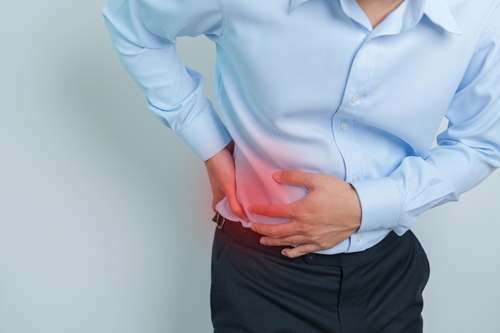
This is the most characteristic of gallbladder symptoms. It is a sudden and rapidly intensifying pain.
- Location of Pain – Typically felt in the upper right portion of the abdomen, just below the ribs. It can also radiate to the center of your abdomen, your back between the shoulder blades, or your right shoulder.
- Duration and Timing – The pain is steady and can last from 30 minutes to several hours. It often occurs in the evening, particularly after a heavy or fatty meal.
- Associated Symptoms – Nausea and vomiting are common during an attack.
Signs of a More Serious Complication (Acute Cholecystitis)
If a gallstone remains lodged and causes a persistent blockage, it can lead to inflammation and infection of the gallbladder. This is a medical emergency.
- Severe, Constant Pain – Unlike biliary colic that may subside, this pain is persistent and severe.
- Fever and Chills – These are signs of infection.
- Jaundice – A yellowing of the skin and whites of the eyes, which indicates a bile duct is blocked.
If you experience these symptoms, it is crucial to seek immediate medical attention. A consultation with the best gut doctor is essential for a prompt diagnosis.
Causes and Risk Factors for Gallstones
Gallstones form when there is an imbalance in the substances that make up bile, such as cholesterol and bilirubin.
- Cholesterol Stones – The most common type, these yellow-green stones form when there is too much cholesterol in the bile.
- Pigment Stones – These smaller, darker stones form when there is too much bilirubin, a chemical produced when the liver breaks down red blood cells.
Certain factors increase your risk of developing gallstones:
- Being female
- Being age 40 or older
- A family history of gallstones
- Being overweight or obese
- A diet high in fat and low in fiber
- Rapid weight loss
Diagnostic Tests for Gallbladder Problems
If your symptoms suggest a gallbladder issue, your doctor will order tests to confirm the diagnosis.
- Abdominal Ultrasound – This is the most common and effective test for detecting gallstones. It is a non-invasive imaging test that uses sound waves to create pictures of your organs.
- HIDA Scan (Hepatobiliary Iminodiacetic Acid Scan) – This test checks how well your gallbladder is functioning. A radioactive tracer is injected into your arm, and a special camera tracks its flow through your liver, bile ducts, gallbladder, and small intestine. It can detect blockages and inflammation.
- Blood Tests – These can reveal signs of infection, jaundice, or pancreatitis, which can be caused by gallstones.
An experienced gut doctor NY will use these diagnostic tools to determine the precise nature of your gallbladder problem.
Gallstones Treatment Options
Treatment depends on whether you are experiencing symptoms and the severity of your condition.
Non-Surgical Management
If you have gallstones but do not have symptoms, you typically do not need treatment. For mild, infrequent gallbladder attacks, your doctor may recommend:
- Pain Medication – To manage discomfort during an attack.
- Dietary Changes – Avoiding fatty and fried foods can help reduce the frequency of attacks.
ERCP (Endoscopic Retrograde Cholangiopancreatography)
If a gallstone is stuck in a bile duct, a procedure called ERCP may be performed. A gastroenterologist passes an endoscope through your mouth down to the small intestine and can use special tools to remove the stone from the duct.
Do I Need Gallbladder Surgery?
For people who experience recurrent and painful gallbladder attacks, surgery to remove the gallbladder (a cholecystectomy) is the most effective long-term solution. It is the definitive gallstones treatment because it eliminates the source of the problem. Your doctor will likely recommend surgery if you have:
- Frequent and disruptive biliary colic
- Acute cholecystitis (gallbladder inflammation)
- Pancreatitis or bile duct inflammation caused by gallstones
Types of Gallbladder Surgery
- Laparoscopic Cholecystectomy – This is the most common surgical method. The surgeon makes several small incisions in the abdomen and uses a tiny video camera and special surgical tools to remove the gallbladder. It results in less pain and a faster recovery.
- Open Cholecystectomy – In some cases, such as when there is severe inflammation or scarring, a single, larger incision is made to remove the gallbladder.
Recovery from laparoscopic surgery is typically quick, with most people returning to normal activities within a week or two. Seeking advice from the best gastroenterologist near me is the best way to understand if surgery is your best option.
Your Partner in Digestive Health
Recognizing gallbladder symptoms is vital for seeking timely care and avoiding painful, serious complications. While many people live with gallstones without issue, recurrent attacks often lead to the question, “do I need gallbladder surgery?” For symptomatic gallstones, a cholecystectomy offers a definitive cure and a return to a pain-free life. A thorough evaluation by a qualified physician is essential to determine the most appropriate course of action for your health.
For expert and compassionate gastroenterology care in the East New York community, trust the specialists at Doral Health & Wellness. Our dedicated team is equipped with advanced diagnostics to accurately diagnose gallbladder conditions and guide you through your treatment options. To schedule a consultation with the best gut doctor, contact Doral Health & Wellness today at 1-718-365-2555 or visit us at 1797 Pitkin Avenue, Brooklyn, New York 11212. For general information about Doral Health & Wellness services, you can contact or email info@doralhw.org.