Pain in the back of your heel can be more than just a minor annoyance. For many active individuals, it’s the first sign of Achilles tendinopathy, a common condition affecting the large tendon connecting your calf muscles to your heel bone. Understanding Achilles tendinopathy symptoms is the first step toward finding relief and preventing long-term issues. A proper diagnosis and a comprehensive Achilles tendinopathy treatment plan are crucial for a successful recovery, allowing you to return to your daily activities without pain. This guide will walk you through the key signs of the condition and the most effective management strategies available. Get a consultation with the best Podiatrists in Brooklyn.
Understanding Achilles Tendinopathy Symptoms
Achilles tendinopathy develops when the Achilles tendon is overused, leading to degeneration and micro-tears. It’s not typically caused by a single injury but rather from repetitive stress. The symptoms often start gradually and worsen over time if not addressed.
Recognizing the early warning signs is essential for seeking timely treatment. The most common symptoms include:
- Pain and Stiffness: The hallmark symptom is pain along the back of the leg or above the heel, especially in the morning or after periods of inactivity. This stiffness usually improves with gentle movement.
- Pain After Exercise: The pain may decrease during activity but flare up several hours after exercising or the next day.
- Thickening of the Tendon: You might notice the tendon feels thicker or has a small bump or nodule on it.
- Swelling: Persistent swelling around the Achilles tendon that is present all the time and gets worse with activity.
- Limited Range of Motion: Difficulty pointing your toes or flexing your foot (dorsiflexion) due to tightness and pain in the tendon.
Ignoring these signs can lead to more severe damage, making recovery more complex. If you experience a sudden, sharp pop or snap in your heel, seek immediate medical attention, as this could indicate a rupture.
Achilles Tendinopathy Treatment and Management
A successful recovery from Achilles tendinopathy hinges on a multifaceted approach that reduces stress on the tendon and promotes healing. While self-care can be effective in mild cases, consulting a healthcare professional, such as a podiatrist, is often necessary for a complete and accurate treatment plan.
Initial Management: The RICE Method
For immediate relief, especially after an activity that causes pain, the RICE method is a good starting point:
- Rest: Avoid activities that strain the tendon, like running or jumping.
- Ice: Apply an ice pack to the affected area for 15-20 minutes several times a day to reduce pain and swelling.
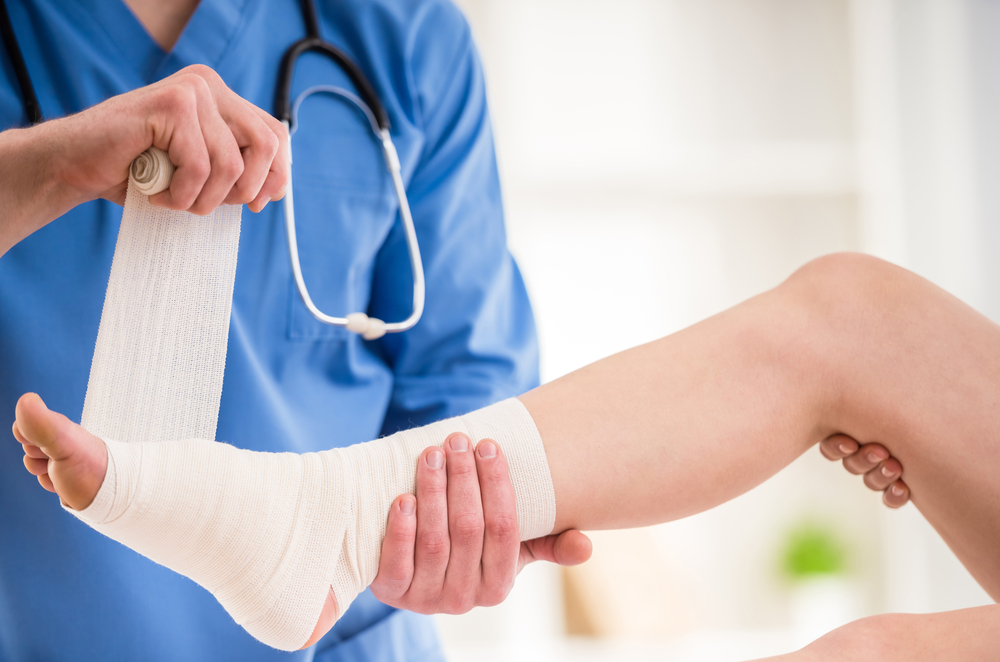
- Compression: Use an elastic bandage to wrap the area, which can help minimize swelling.
- Elevation: Keep your feet elevated above heart level as much as possible to reduce fluid buildup.
Medical and Therapeutic Interventions
If symptoms persist, a more structured treatment plan is required. A podiatry doctor can provide a precise diagnosis and recommend advanced therapies.
Physical Therapy
A cornerstone of Achilles tendinopathy treatment, physical therapy focuses on strengthening the calf muscles and improving tendon flexibility. A therapist will guide you through specific exercises, with a strong emphasis on eccentric loading. Eccentric exercises involve slowly lengthening the muscle under tension (e.g., heel drops) and are highly effective in promoting tendon healing.
Orthotics and Footwear
Improper foot mechanics can contribute to Achilles tendinopathy. A podiatrist may analyze your gait and recommend custom orthotic inserts to correct alignment issues and reduce strain on the tendon. They can also advise on appropriate footwear that provides adequate support and cushioning. Proper shoe selection is a simple yet powerful tool for both treatment and prevention.
Advanced Podiatry Treatments
For persistent cases, your podiatry specialist might suggest other treatments:
- Extracorporeal Shockwave Therapy (ESWT): This non-invasive procedure uses sound waves to stimulate the body’s natural healing processes in the injured tendon.
- Corticosteroid Injections: While sometimes used to reduce pain and inflammation, these are administered with caution due to a potential risk of tendon rupture.
- Platelet-Rich Plasma (PRP) Injections: This involves injecting a concentration of your own blood platelets into the tendon to accelerate healing.
Surgery is rarely necessary and is typically reserved as a last resort for severe cases that do not respond to conservative treatments after 6-12 months.
Taking the Next Step
Living with Achilles tendinopathy can be challenging, but effective treatment is within reach. By recognizing the symptoms early and adopting a proactive management plan, you can significantly improve your chances of a full recovery. Start with relative rest and activity modification, but don’t hesitate to seek professional help. A thorough evaluation by a qualified healthcare provider is the best way to ensure an accurate diagnosis and a personalized treatment strategy. A podiatry doctor can offer expert guidance, from physical therapy recommendations to advanced interventions, helping you get back on your feet and back to the activities you love, pain-free. At Doral Health & Wellness, we have Podiatrists with extensive education and expertise. If you’re ready to take the next step in managing your pain, we recommend consulting with our healthcare provider to explore the right treatments or therapies for you. Always listen to your body and adjust your daily routine to prioritize your well-being. It’s not a good idea to put off seeing Foot Doctor Brooklyn until you are in a lot of pain. Our address is 1797 Pitkin Avenue, New York, NY 11212. To make an appointment, please call + 1 718 367 2555 or send an email to info@doralhw.org.