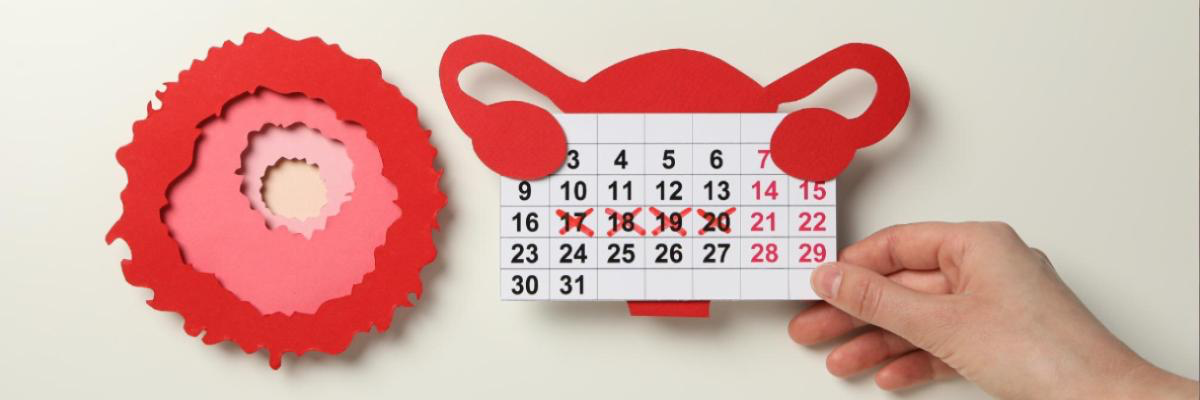
The female body communicates through a complex series of signals, but interpreting them can sometimes be confusing. Many women experience symptoms like cramping, bloating, and mood changes at different points in their cycle, leading to a common question: Is it ovulation or PMS? While some symptoms overlap, understanding the subtle differences and timing is key to deciphering your body’s signals. Knowing when is ovulation versus when you are approaching your period can provide valuable insights into your reproductive health, whether you are trying to conceive or simply want to understand your cycle better. Learning to distinguish between the two is an empowering step.
At Doral Health & Wellness, our commitment is to provide comprehensive and supportive medical care to our community. Our team of specialists offers clear, reliable information, empowering you to make confident and informed decisions about your gynecological health. We are your dedicated partners in achieving and maintaining wellness.
Understanding Ovulation and Key Symptoms
Ovulation is the main event of your fertile window. It is the process where a mature egg is released from an ovary, typically occurring in the middle of your menstrual cycle. The timing can vary, but for a 28-day cycle, it often happens around day 14. The hormonal shifts that trigger this release can produce noticeable physical symptoms. Recognizing the signs of ovulating can be a useful tool for tracking fertility.
Common Signs You Are Ovulating
The symptoms of ovulation are generally short-lived and occur mid-cycle.
- Mittelschmerz (Middle Pain) – This is a one-sided, lower abdominal pain that corresponds to the ovary releasing an egg. It can feel like a dull ache or a sharp, sudden twinge and usually lasts from a few minutes to a few hours.
- Changes in Cervical Mucus – As you approach ovulation, your cervical mucus becomes clear, slippery, and stretchy, often compared to the consistency of raw egg whites. This fertile-quality mucus helps sperm travel to the egg.
- Increased Libido – Many women report a noticeable increase in their sex drive around the time of ovulation, which is the body’s natural way of encouraging conception during the most fertile period.
- Basal Body Temperature (BBT) Shift – Your BBT, or your body’s temperature at rest, shows a slight but sustained increase right after ovulation Tracking this requires a special thermometer and consistent daily measurements.
An ovulation test kit, which detects the surge in luteinizing hormone (LH) that precedes ovulation, can also confirm this timing.
What is PMS and How Do Its Symptoms Differ?
Premenstrual Syndrome (PMS) refers to a group of physical and emotional symptoms that occur in the one to two weeks before your period begins. These symptoms are caused by hormonal fluctuations, specifically the drop in estrogen and progesterone that happens after ovulation if you are not pregnant. Unlike ovulation symptoms, which are brief and occur mid-cycle, PMS symptoms can last for many days and resolve once your period starts.
Common Signs of PMS
PMS symptoms are often more widespread and can affect your mood and physical comfort significantly.
- Generalized Abdominal Cramping and Bloating – Unlike the one-sided pain of ovulation, PMS cramps are usually felt across the lower abdomen or back and are often accompanied by a feeling of fullness or bloating.
- Breast Tenderness – Swollen and tender breasts are a hallmark symptom of PMS, caused by rising progesterone levels after ovulating. This is less common during ovulation
- Mood Swings and Irritability – Emotional symptoms are a major component of PMS. You might experience irritability, anxiety, sadness, or feel more emotional than usual.
- Fatigue – A persistent feeling of tiredness or low energy is very common in the days leading up to a period.
- Food Cravings – Many women experience cravings for specific foods, often those high in sugar, salt, or fat.
When Is Ovulation vs. PMS? A Timeline Comparison
The clearest way to distinguish between the two is by tracking when the symptoms occur in your cycle.
- Ovulation Symptoms – Occur mid-cycle (around days 12-16 for a 28-day cycle) and are very brief, typically lasting no more than 48 hours.
- PMS Symptoms – Occur in the luteal phase, the time after ovulation and before your period (around days 20-28 for a 28-day cycle). These symptoms can last for a week or more and stop shortly after menstruation begins.
If you are experiencing symptoms and are unsure about the timing, using an ovulation test can help you pinpoint your fertile window and clarify whether your symptoms align with ovulating or with the premenstrual phase.
When to Seek Professional Guidance
While most of these symptoms are normal parts of the menstrual cycle, severe or debilitating pain, or very irregular cycles, should be discussed with a healthcare provider. Conditions like endometriosis, Polycystic Ovary Syndrome (PCOS), or uterine fibroids can cause symptoms that might be mistaken for normal cycle-related discomfort.
A gynecologist can help diagnose any underlying issues and offer solutions. For those in our area, a search for a “GYN doctor near me” or a “GYN in NY” is a great first step. If you are trying to conceive and are concerned about your cycle or potential fertility issues, an “infertile doctor,” or reproductive endocrinologist, can provide specialized care. Finding the “best gynecology in New York” will ensure you receive a comprehensive evaluation and expert guidance tailored to your needs. The “best gynecology in New York” can help you navigate any reproductive health concerns with confidence.
By learning to listen to your body and understanding your menstrual cycle, you can gain valuable insights into your health. Differentiating between ovulation and PMS empowers you to anticipate your body’s needs and seek support when necessary.
For expert gynecological care and personalized health strategies, contact Doral Health & Wellness today at 1-718-365-2555 or visit us at 1797 Pitkin Avenue, Brooklyn, New York 11212. Our team of dedicated specialists is here to provide the supportive, comprehensive care you need. For general information about Doral Health & Wellness services, you can contact or email info@doralhw.org.