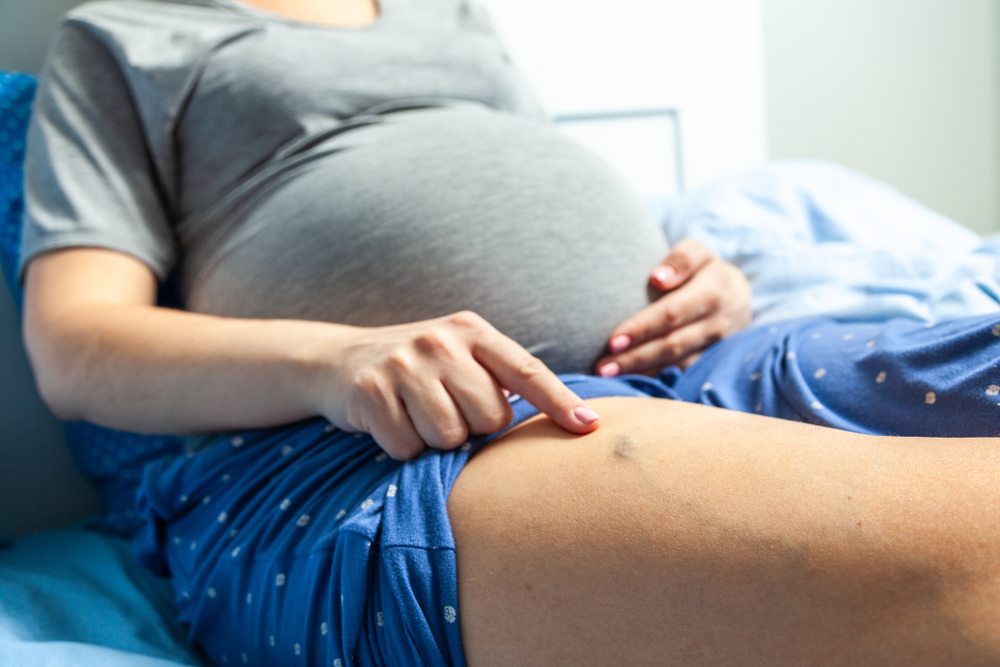
Pregnancy is a time of incredible change for your body, bringing joy and anticipation. However, it can also bring some unwelcome physical changes, such as varicose veins. These bulging, twisted veins, most often found in the legs, are a common concern for many expectant mothers. Fortunately, there are effective ways to manage varicose veins during and after pregnancy. Understanding the causes and implementing proper varicose vein management in pregnancy can help minimize discomfort and promote better vascular health. This guide will explore safe strategies to handle this condition both while you are expecting and postpartum. Get a consultation with the best vascular disease specialists in Brooklyn.
Why Do Varicose Veins Develop During Pregnancy?
Varicose veins occur when the small valves inside your veins weaken, allowing blood to pool and cause the veins to swell. Pregnancy creates the perfect conditions for this to happen for several reasons:
- Increased Blood Volume: Your body produces significantly more blood to support your growing baby. This puts extra pressure on your entire circulatory system, including your veins.
- Hormonal Changes: Higher levels of the hormone progesterone cause the walls of your blood vessels to relax, making them more susceptible to swelling.
- Uterine Pressure: As your uterus expands, it puts pressure on the large vein on the right side of your body (the inferior vena cava), which increases pressure in the veins of your legs.
- Genetics: If your mother or other close relatives had varicose veins, you are more likely to develop them as well.
While these veins can be cosmetically bothersome, they can also cause aching, heaviness, and swelling in the legs.
Effective Ways to Manage Varicose Veins During and After Pregnancy
For most women, varicose veins that appear during pregnancy improve significantly within a few months to a year after giving birth. The focus of varicose vein management in pregnancy is on relieving symptoms and preventing the condition from getting worse.
Lifestyle Adjustments and Home Care
Simple, consistent habits can make a major difference in how your legs feel. These strategies are safe to implement both during and after pregnancy.
- Stay Active: Gentle, regular exercise like walking or swimming helps improve circulation and strengthens the muscles that support your veins. Avoid high-impact activities unless cleared by your doctor.
- Elevate Your Legs: Whenever you have a chance to sit or lie down, prop your feet up above the level of your heart. This uses gravity to help blood flow back toward your heart and reduces swelling.
- Avoid Prolonged Standing or Sitting: Change your position frequently. If you have to stand for a long time, shift your weight from one leg to the other. If you sit at a desk, get up and walk around for a few minutes every hour.
- Sleep on Your Left Side: This position helps relieve pressure on your inferior vena cava, which can improve blood flow from your legs and lower body.
- Maintain a Healthy Weight: Gaining a healthy amount of weight as recommended by your doctor can help minimize the strain on your circulatory system.
The Role of Compression Therapy
One of the most effective tools for managing varicose veins is compression therapy. Medical-grade compression stockings apply gentle, graduated pressure—tightest at the ankle and looser up the leg. This pressure helps support your veins and prevents blood from pooling. A vascular specialist can recommend the appropriate level of compression and ensure you get a proper fit, which is crucial for both comfort and effectiveness. Many women find that wearing them throughout the day provides significant relief from aching and swelling.
When to Consider Treatment After Pregnancy
If your varicose veins do not improve after delivery or continue to cause significant pain, heaviness, or skin changes, it may be time to explore treatment options. It is generally recommended to wait at least three to six months postpartum before seeking medical procedures, as many pregnancy-related veins will resolve on their own.
When you are ready, consulting a vein expert is the next step. A modern vascular clinic in Brooklyn or your local area can offer several minimally invasive procedures that are highly effective and require little downtime. These treatments are typically performed in an office setting and can include:
- Sclerotherapy: A solution is injected into the vein, causing it to collapse and fade over time.
- Endovenous Laser Ablation (EVLA): A small laser fiber is inserted into the vein to heat and close it.
- Radiofrequency Ablation (RFA): Similar to EVLA, this technique uses radiofrequency energy to close the affected vein.
A vascular specialist will perform a thorough evaluation, often including an ultrasound, to determine the underlying cause of your varicose veins and recommend the best treatment plan for your specific needs.
Take Control of Your Vascular Health
While varicose veins are a common part of the pregnancy journey for many, you don’t have to endure the discomfort. By adopting proactive management strategies, you can alleviate symptoms and support your circulatory health. After your baby arrives, if the problem persists, know that effective and minimally invasive treatments are available.
Don’t let varicose veins keep you from enjoying this special time. If you have concerns about your veins during or after pregnancy, speak with a healthcare provider. For expert evaluation and care, consider making an appointment at a dedicated vascular clinic in Brooklyn to discuss your options. For any vascular problems, call us on + 1-718-367-2555. The Vascular Disease Specialists at Doral Health & Wellness consistently have outstanding patient satisfaction ratings. The professionals at Doral Health & Wellness Vascular Health Department Brooklyn can improve your health and quality of life because of their vast training and experience. New Yorkers can get the greatest medical and surgical vascular care at Doral Health & Wellness Brooklyn. If you need help, register your information and make direct contact with our doctors at https://yuz88hfiyh7.typeform.com/Doralintake or send an email to info@doralhw.org. Visit us at 1797 Pitkin Avenue, Brooklyn, NY 11212.