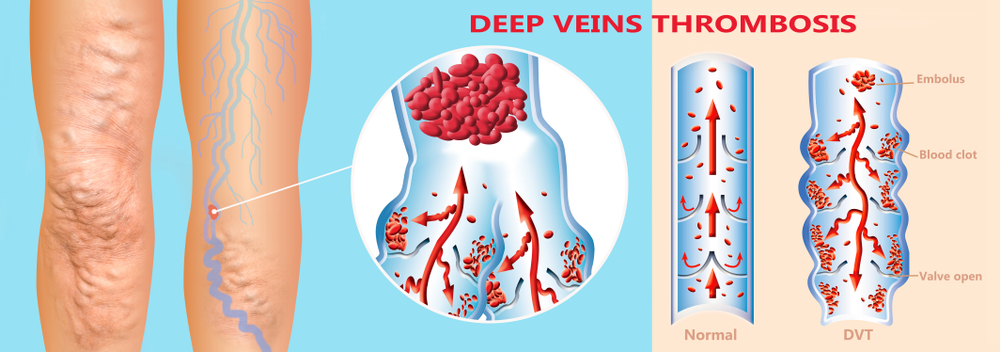
Undergoing surgery is a significant event, and a smooth recovery is crucial for getting back to your daily life. While you focus on healing your incision and managing pain, there is another serious risk to consider: deep vein thrombosis (DVT). A DVT is a blood clot that forms in a deep vein, usually in the leg, and can lead to severe complications. Understanding and implementing effective DVT prevention strategies for post-surgery recovery is essential for a safe healing process. Following post-operative guidelines can significantly reduce your risk for DVT and provide peace of mind during this critical time. Get a consultation with the best vascular disease specialists in Brooklyn.
Why is DVT a Concern After Surgery?
Surgery and the recovery period that follows create a perfect storm for DVT development. Several factors contribute to this heightened risk:
- Immobility: After an operation, you are likely to be less active than usual. Long periods of sitting or lying down cause blood flow in your legs to slow, allowing blood cells to stick together and form a clot.
- Vein Injury: The surgical procedure itself can sometimes cause damage to the inner lining of your blood vessels, which can trigger the body’s clotting response.
- Hypercoagulability: Your body’s natural response to surgery is to increase the blood’s ability to clot in order to prevent excessive bleeding. This state, known as hypercoagulability, also raises the risk of unwanted clots forming.
A DVT is dangerous on its own, but the greatest threat is a pulmonary embolism (PE). This occurs when a piece of the clot breaks off, travels through the bloodstream, and lodges in the lungs, blocking blood flow. A PE is a life-threatening medical emergency.
Key DVT Post-Operative Guidelines and Strategies
Fortunately, DVT is largely preventable. Your healthcare team will establish a prevention plan based on your personal risk factors and the type of surgery you had. Following these DVT post-operative guidelines is a critical part of your recovery.
Early Mobilization and Movement
One of the most effective DVT prevention strategies is to get moving as soon as it is safe to do so.
- In-Bed Exercises: Even if you can’t get out of bed, you can perform simple exercises to promote circulation. Ankle pumps, where you point and flex your feet, are particularly effective. Try to do them every hour you are awake.
- Walking: Your nurses and physical therapists will encourage you to get up and walk as soon as possible. Short, frequent walks are better than one long, tiring one. This movement contracts your calf muscles, which helps pump blood through your veins.
Compression Devices
Mechanical compression helps prevent blood from pooling in the legs. Your doctor may prescribe one or more of the following:
- Graduated Compression Stockings: These special stockings are tightest at the ankle and gradually become looser up the leg. This pressure gradient helps push blood upward, improving circulation. A vascular specialist can ensure you have the correct fit and compression level.
- Intermittent Pneumatic Compression (IPC) Devices: These are inflatable sleeves that wrap around your legs. A pump automatically inflates and deflates the sleeves, squeezing the legs to mimic the effect of walking and keep blood moving.
Medication (Anticoagulants)
For patients at higher risk of DVT, doctors often prescribe anticoagulant medications, also known as blood thinners. These drugs don’t break up existing clots but are highly effective at preventing new ones from forming. They come in various forms, including pills or injections. It is vital to take this medication exactly as prescribed by your doctor.
Who Should I Talk to About My DVT Risk?
While your surgeon will manage your immediate post-operative care, you may have questions or concerns about your long-term vascular health. If you have a history of blood clots, a family history of clotting disorders, or ongoing symptoms like leg swelling or pain after recovery, consulting a vascular specialist is a wise step. These experts can assess your individual risk and recommend personalized prevention plans. A specialized vascular clinic in Brooklyn or your local area can provide comprehensive evaluations and advanced care.
Taking Control of Your Post-Surgery Recovery
Recovering from surgery requires you to be an active participant in your own care. DVT is a serious but preventable complication. By staying informed, asking questions, and diligently following the prevention plan laid out by your healthcare team, you can protect your health.
Remember to move as much as you can, use your compression devices as instructed, and take all medications as prescribed. If you notice any signs of a DVT—such as swelling, pain, warmth, or redness in one leg—contact your doctor immediately. By prioritizing these DVT prevention strategies for post-surgery recovery, you can focus on what truly matters: healing well and returning to the life you enjoy. For specialized guidance, consider scheduling a consultation at a reputable vascular clinic in Brooklyn to ensure your vascular health is in expert hands. For any vascular problems, call us on + 1-718-367-2555. The Vascular Disease Specialists at Doral Health & Wellness consistently have outstanding patient satisfaction ratings. The professionals at Doral Health & Wellness Vascular Health Department Brooklyn can improve your health and quality of life because of their vast training and experience. New Yorkers can get the greatest medical and surgical vascular care at Doral Health & Wellness Brooklyn. If you need help, register your information and make direct contact with our doctors at https://yuz88hfiyh7.typeform.com/Doralintake or send an email to info@doralhw.org. Visit us at 1797 Pitkin Avenue, Brooklyn, NY 11212.