Recovering from a stroke is a challenging journey, often focused on regaining physical strength and mobility. However, the brain’s healing process can also reveal cognitive difficulties that impact memory, thinking, and personality. This condition, known as post-stroke dementia, requires a specific approach to care. A clear understanding of post-stroke dementia diagnosis and management is essential for survivors and their families to navigate the path forward. Effective post-stroke dementia management aims to control symptoms, slow progression, and maximize quality of life, turning a daunting diagnosis into a manageable condition with the right support and strategies. Visit the best Mental Health Clinic in Brooklyn at Doral Health & Wellness, or log on to www.doralhw.org.
The Diagnostic Process: Identifying Post-Stroke Dementia
There is no single definitive test for post-stroke dementia. The diagnosis is made through a comprehensive evaluation that rules out other potential causes of cognitive symptoms. The process typically begins within a few months of the stroke.
Medical and Neurological Examination
A doctor will start with a thorough review of the patient’s medical history, paying close attention to the details of the stroke(s) and any existing cardiovascular risk factors. This is followed by a physical and neurological exam to assess motor skills, reflexes, and sensory functions.
Cognitive and Neuropsychological Testing
To measure the extent of cognitive impairment, a series of tests is administered. These assessments evaluate various mental functions:
- Memory: Both short-term and long-term recall.
- Executive Function: Skills like planning, problem-solving, and decision-making.
- Language: Ability to speak, understand, and write.
- Attention and Concentration: The ability to focus on tasks.
These tests help create a baseline of cognitive function and can be repeated over time to track changes. In some cases, a behavioral health specialist may conduct a more in-depth neuropsychological evaluation to get a detailed picture of the patient’s cognitive profile.
Brain Imaging
Brain scans are a crucial part of the diagnostic process.
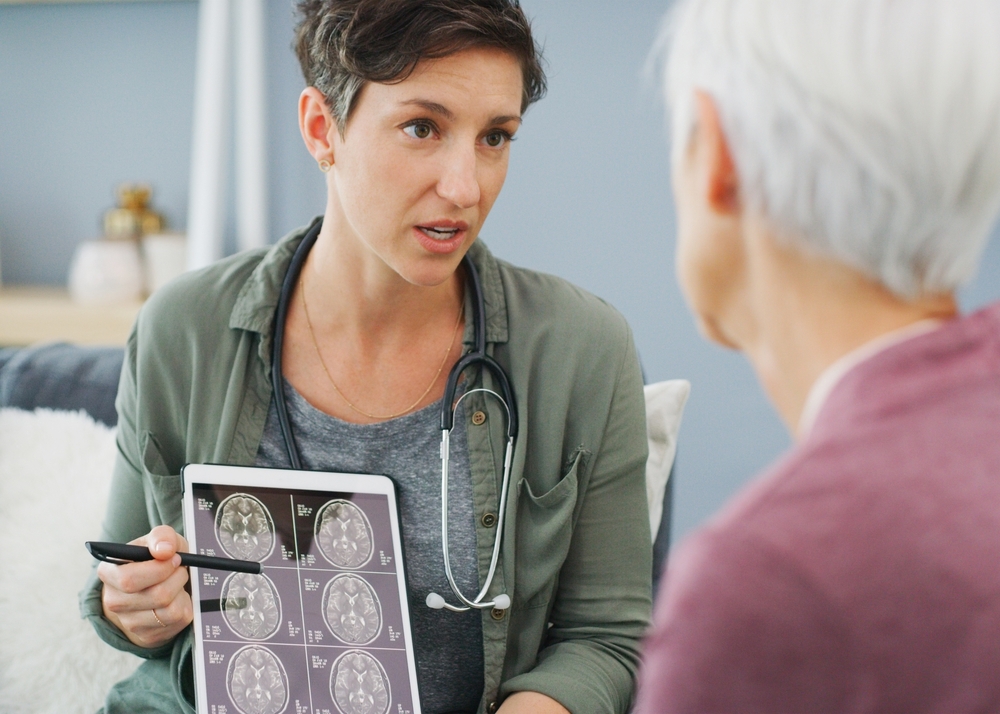
- MRI or CT scans: These imaging tests can reveal evidence of the stroke, including the location and extent of brain damage. They can also show signs of other strokes, including “silent strokes” that may have gone unnoticed.
- PET Scans: These can show patterns of brain activity and help differentiate between types of dementia if the diagnosis is unclear.
Post-Stroke Dementia Management: A Multifaceted Approach
While there is no cure for post-stroke dementia, a comprehensive management plan can significantly improve a person’s quality of life. The focus is on controlling risk factors, managing symptoms, and providing a supportive environment.
- Managing Cardiovascular Risk Factors
This is the most critical component of post-stroke dementia management. Preventing future strokes is paramount to preserving cognitive function. Key strategies include:
- Controlling High Blood Pressure: Using medication and lifestyle changes to keep blood pressure within a healthy range.
- Managing Diabetes: Maintaining tight control over blood sugar levels.
- Lowering Cholesterol: Taking statins or other medications as prescribed.
- Quitting Smoking: Smoking severely damages blood vessels.
- Adopting a Heart-Healthy Diet: Emphasizing fruits, vegetables, whole grains, and lean proteins while limiting sodium and unhealthy fats.
- Medications for Cognitive and Behavioral Symptoms
While no drugs are specifically approved to treat post-stroke dementia, some medications used for Alzheimer’s disease, such as cholinesterase inhibitors, may be prescribed to help with cognitive symptoms in some patients.
Additionally, behavioral changes like depression, agitation, or apathy are common. A behavioral health specialist can recommend non-pharmacological approaches first, but medications like antidepressants may be necessary to manage these symptoms effectively.
- Rehabilitation and Therapies
Therapeutic interventions are essential for helping patients adapt to cognitive changes.
- Cognitive Rehabilitation: This therapy helps individuals develop strategies to compensate for memory and thinking problems.
- Occupational Therapy: Helps patients maintain independence by adapting daily tasks and their home environment.
- Speech Therapy: Assists with communication difficulties.
- Creating a Supportive Environment
A safe and structured environment can reduce confusion and anxiety. This involves:
- Establishing a Routine: A predictable daily schedule can be comforting.
- Simplifying Tasks: Breaking down complex activities into smaller, manageable steps.
- Ensuring Safety: Modifying the home to prevent falls and other accidents.
For families seeking comprehensive care, a specialized mental health clinic in Brooklyn can be an invaluable resource. These clinics often provide a multidisciplinary team, including neurologists, therapists, and social workers, who can coordinate all aspects of post-stroke dementia management. Visiting a mental health clinic in Brooklyn ensures access to both medical treatment and crucial support services for caregivers.
Your Partner in Brain Health
A diagnosis of post-stroke dementia can be overwhelming, but it is not a journey you have to take alone. Effective post-stroke dementia diagnosis and management require a partnership between the patient, family, and a dedicated team of healthcare professionals. By focusing on aggressive risk factor management and creating a supportive care plan, it is possible to maintain a high quality of life.
If you or a loved one is a stroke survivor experiencing cognitive changes, it is vital to seek a thorough evaluation. Contact our Behavioral Health Department today to connect with a specialist who can provide the expert guidance and compassionate care you need. For further inquiries, call us on +1-718-367-2555 to get a consultation. Or log on to www.doralw.org. Visit us at 1797 Pitkin Avenue, Brooklyn, NY 11212. If you need help, register your information and make direct contact with us at https://yuz88hfiyh7.typeform.com/Doralintake.