Cuboid syndrome occurs when the small cuboid bone on the outer side of the foot shifts out of place, often after an inversion ankle sprain. It causes sharp lateral foot pain, especially when walking or standing. A podiatrist can realign the bone and guide you through relieving lateral foot pain after an inversion sprain with targeted treatment.
Rolling your ankle inward can leave more than bruising behind. If the outer edge of your foot still aches days or weeks after the sprain, you may be dealing with cuboid syndrome. This condition is often overlooked because it mimics a standard sprain, yet it needs its own approach to heal properly.
Understanding what cuboid syndrome is and how to find relief can help you get back on your feet with confidence.
What Is Cuboid Syndrome?
Cuboid syndrome happens when the cuboid bone, located on the outer side of your midfoot, slips slightly out of its normal position. This small shift can disrupt the surrounding ligaments and tendons, leading to persistent discomfort along the outside of the foot.
It is closely linked to inversion ankle sprains, where the foot rolls inward, and the ligaments supporting the cuboid bone are stretched or strained. The bone can then shift out of alignment, even if the original sprain seems to be healing.
How It Differs From a Typical Sprain
A standard ankle sprain usually improves steadily with rest. Cuboid syndrome tends to linger. You may notice pain that flares with weight-bearing, a popping sensation, or weakness along the outer foot that does not match the rest of your recovery.
Relieving Lateral Foot Pain After an Inversion Sprain
If your pain is centered on the outer foot and has not improved with typical sprain care, relieving lateral foot pain after an inversion sprain starts with identifying the cuboid bone as the source. Treatment focuses on restoring proper alignment and calming inflammation around the joint.
Treatment and Relief Strategies
- Rest and activity modification: Reducing weight-bearing activities gives the ligaments around the cuboid bone time to stabilize.
- Ice and compression: Applying ice for 15 to 20 minutes several times a day can ease swelling and discomfort.
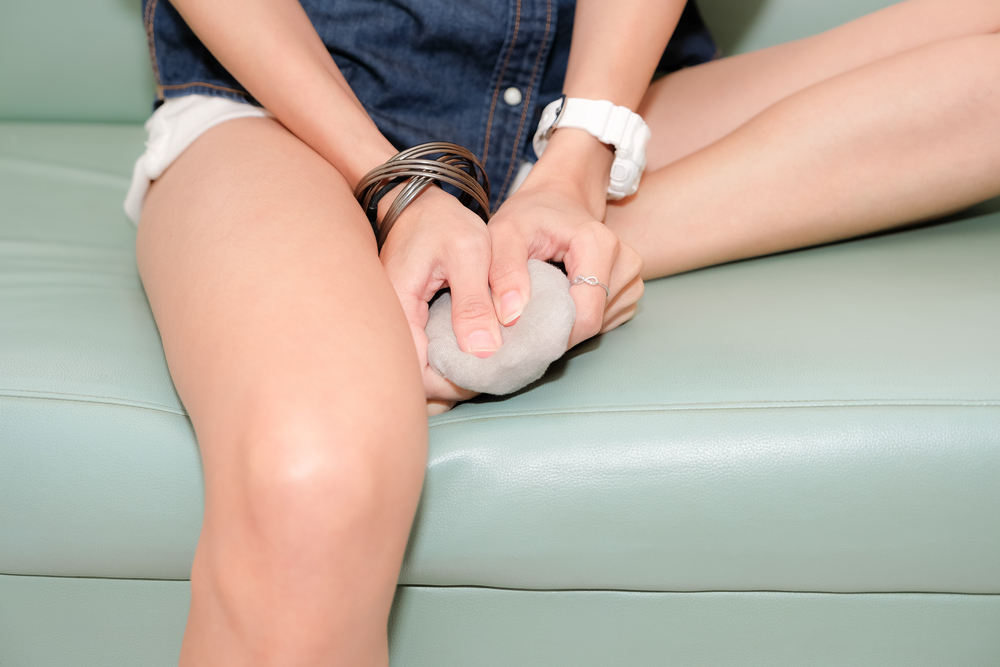
- Manual manipulation: A podiatrist can perform a gentle technique called the cuboid squeeze to guide the bone back into place.
- Taping or bracing: Support around the midfoot helps keep the cuboid bone stable while healing continues.
- Physical therapy: Strengthening exercises rebuild support around the joint and help prevent the bone from shifting again.
When to See a Podiatrist
Lateral foot pain that lasts longer than a week after an inversion sprain is worth a professional evaluation. A podiatrist can distinguish cuboid syndrome from other causes of outer foot pain, such as a stress fracture or peroneal tendon injury, through a physical exam and imaging when needed.
Waiting it out rarely resolves the underlying misalignment. Early care from a podiatrist reduces the chance of chronic instability and gets you back to normal activity sooner.
Take the Next Step Toward Pain-Free Walking
You do not have to guess why your foot still hurts weeks after a sprain. Our podiatry team works with patients throughout Brooklyn to diagnose and treat cuboid syndrome, so you can walk, stand, and move without that nagging outer foot pain.
Reach out to us today by calling +1-718-367-2555 or visiting us at 1797 Pitkin Avenue, Brooklyn, NY 1121 to schedule a consultation and take the first step toward lasting relief.