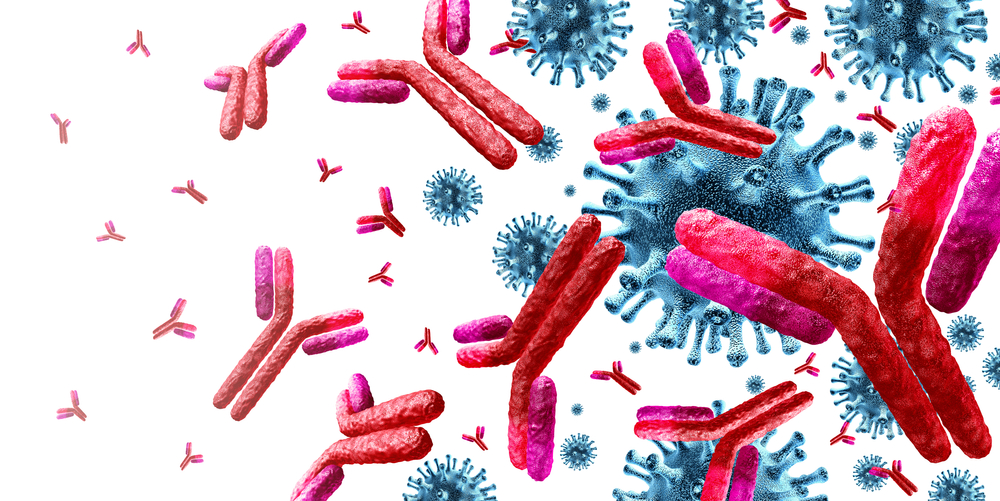
Have you ever wondered why your body overreacts to something as harmless as pollen or dust? The answer lies within your immune system and a specific antibody known as immunoglobulin E, or IgE. While small in number, the role of immunoglobulin E in allergic reactions is enormous. It acts as the primary trigger for the symptoms that allergy sufferers know all too well. Understanding how immunoglobulin E triggers allergic reactions is the first step toward managing them effectively. This guide will explore the science behind IgE, explaining why your body responds the way it does and how you can find relief from the constant sneezing, itching, and swelling. At Doral Health & Wellness, we have all the answers you need.
What is Immunoglobulin E (IgE)?
Immunoglobulins are antibodies—proteins your immune system produces to fight off foreign invaders like viruses and bacteria. There are several types, each with a unique job. Immunoglobulin E (IgE) is an antibody that was originally intended to protect the body against parasitic infections.
In many people, however, IgE mistakenly identifies harmless substances like pollen, pet dander, or certain food proteins as dangerous threats. This misidentification sets the stage for an allergic reaction. Even though IgE antibodies are found in very small amounts in the blood, they are incredibly potent and are the central figures in most allergic diseases, including asthma, hay fever, and food allergies.
How Immunoglobulin E Triggers Allergic Reactions
The process from exposure to an allergen to experiencing symptoms is a specific chain of events. Here’s a breakdown of how immunoglobulin E triggers allergic reactions:
1. First Exposure and Sensitization
The first time you encounter a potential allergen, you may not have any symptoms. Instead, your immune system goes into a learning phase called sensitization. During this stage:
- Your body identifies the harmless substance (e.g., ragweed pollen) as a threat.
- In response, it creates specific IgE antibodies designed to recognize only that allergen.
- These newly created IgE antibodies travel through the bloodstream and attach themselves to the surface of mast cells, which are immune cells concentrated in the skin, lungs, and digestive tract.
2. Subsequent Exposure and Reaction
Once you are sensitized, your body is primed for a reaction. The next time you come into contact with the same allergen, it binds directly to the IgE antibodies waiting on your mast cells. This binding signals the mast cells to “degranulate”—a process where they burst open and release powerful inflammatory chemicals, most notably histamine.
This flood of histamine is what causes the classic allergy symptoms:
- Itching in the eyes, nose, or on the skin.
- Swelling of the lips, face, or throat.
- Increased mucus production, leading to a runny nose and congestion.
- Constriction of airways, causing wheezing or difficulty breathing.
Managing IgE-Mediated Allergies
Since IgE is at the heart of the allergic response, managing allergies often involves controlling its effects. If you suspect you have allergies, it is important to get a proper diagnosis. An allergist can perform tests, such as a skin prick test or a specific IgE blood test, to confirm which allergens are causing your symptoms.
Based on the diagnosis, an allergist may recommend several strategies:
- Avoidance: The simplest method is to avoid your known triggers.
- Medications: Antihistamines work by blocking the effects of the histamine released by mast cells.
- Immunotherapy: Also known as allergy shots, this treatment involves exposing your body to gradually increasing doses of an allergen. This helps your immune system become less sensitive over time, reducing the IgE response.
For those with complex or severe conditions, a visit to Doral Health & Wellness Allergist Department in Brooklyn can provide comprehensive care and advanced treatment options.
Understanding the role of immunoglobulin E in allergic reactions demystifies why your body reacts with such intensity to seemingly harmless substances. This powerful antibody, designed to protect you, can become the source of significant discomfort when it misidentifies its target. By learning how immunoglobulin E triggers allergic reactions, you can take informed steps toward managing your symptoms. If you are struggling with persistent allergies, seeking advice from an expert at Doral Health & Wellness Allergist Department in Brooklyn is a crucial step toward finding lasting relief. A qualified allergist can provide the relief you need to feel your best. For a comprehensive evaluation of your symptoms and to receive expert medical advice, contact Doral Health & Wellness today at 1-718-365-2555 or visit us at 1797 Pitkin Avenue, Brooklyn, New York 11212. We are committed to providing the supportive and expert care you deserve. For general information about Doral Health & Wellness services, you can contact or email info@doralhw.org.