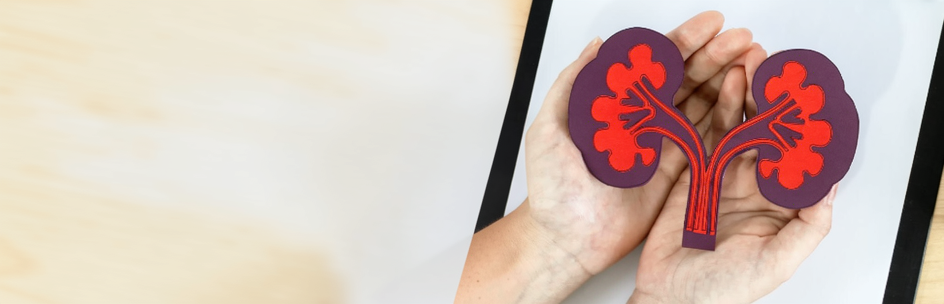
A routine checkup can change everything. Maybe your doctor spotted blood or protein in your urine, said the words “IgA nephropathy,” and left you with more questions than answers. That uncertainty is real, and you deserve clear, honest information. IgA nephropathy, also called Berger disease, happens when an antibody called immunoglobulin A builds up in your kidneys and causes inflammation. Over time, it can slow how well your kidneys filter waste. The reassuring news is simple. With the right IgA nephropathy treatment and a few steady kidney health tips, you can protect your kidneys and slow the disease. This guide explains what the condition is, how doctors treat it, and the daily steps that put you back in control.
If your test results worry you or your diagnosis feels overwhelming, you do not have to face it alone. Doral Health & Wellness Nephrology offers caring, specialist-led kidney care right in your neighborhood. Our team helps you understand your condition, monitor your kidneys, and build a plan that fits your life. Reach out today to take the first step toward stronger kidney health.
What is IgA Nephropathy?
A diagnosis can feel frightening when you do not understand what is happening inside your body. The fear often comes from the unknown. Once you understand the condition, it becomes far easier to manage.
IgA nephropathy is a kidney disorder rooted in your immune system. It occurs when a complex of two immune system proteins that normally help your body fight infection collects in the kidneys instead. That buildup triggers inflammation, which can slowly damage the tiny filters that clean your blood.
The disease often moves quietly. Many people feel fine for years before any sign appears. That slow pace is exactly why awareness matters so much.
Common Signs to Watch For
Spotting symptoms early gives you a real advantage. Pay attention to these warning signs:
- Blood in the urine – Pink, red, or cola-colored urine, often after a cold or infection.
- Foamy urine – Bubbly urine that can signal protein leaking through your kidneys.
- Swelling – Puffiness in your hands, feet, or face from fluid buildup.
- High blood pressure – A common companion that can speed up kidney damage.
- Fatigue – A tired, drained feeling as kidney function declines.
If any of these sound familiar, take a breath. The condition is manageable, especially when caught early. A search for a “kidney clinic near me” is a smart first step toward clear answers.
IgA Nephropathy Treatment Options
The hardest part of any chronic condition is feeling powerless against it. You want to do something, and you want to know it will help. The good news is that effective IgA nephropathy treatment can slow the disease and protect your kidney function for years.
There is no single cure, but treatment focuses on controlling inflammation and easing the strain on your kidneys. Your care depends on how advanced the disease is and how your body responds. Your provider will guide you through the choices that fit your situation.
Blood Pressure and Protein Control
Lowering blood pressure is often the foundation of care. Taking steps to lower your blood pressure can help slow kidney damage from IgA nephropathy, starting with healthy lifestyle changes.
Common approaches your provider may suggest include:
- ACE inhibitors or ARBs – Medicines that lower blood pressure and reduce protein loss.
- Diuretics – Help your body clear extra fluid and ease swelling.
- Salt reduction – Eating less sodium supports better blood pressure control.
Medicines That Calm Inflammation
Sometimes blood pressure control alone is not enough. Treatment includes drugs that aim to slow the disease and others that reduce inflammation, with the choice tailored to each person.
- Corticosteroids – Calm an overactive immune response that drives damage.
- Immune-modulating drugs – Target the inflammation behind the disease in select cases.
- Omega-3 fatty acids – Fish oil may help reduce inflammation for some patients.
A specialist in Brooklyn nephrology can match the right treatment to your needs and adjust it as you improve.
Kidney Health Tips to Protect Your Filters
Treatment works best when you support it every day. Your choices shape how your kidneys hold up over time. A few steady kidney health tips make a genuine difference.
You have more control than you might think. Here is where you take it back.
Daily Habits That Support Your Kidneys
Small, consistent changes add up. These habits ease the workload on your kidneys:
- Watch your blood pressure – Keeping it in a healthy range protects your kidneys directly.
- Eat less salt – A lower-sodium diet helps control pressure and fluid buildup.
- Stay hydrated – Drinking enough water supports healthy filtering.
- Stay active – Regular movement helps manage weight and blood pressure.
- Avoid smoking – Quitting protects your kidneys and your whole body.
Stay Ahead With Regular Monitoring
Tracking your kidneys matters as much as healthy habits. Routine care catches changes early.
- Keep your appointments – Regular visits track your kidney function over time.
- Test your urine and blood – These checks reveal whether protein or waste levels are rising.
- Review your medicines – Ask whether any prescriptions could strain your kidneys.
If symptoms persist despite healthy habits, a search for a nephrologist near me connects you with expert guidance close to home.
When to See a Specialist
Many people wait too long to seek help, hoping the problem fades on its own. You should never ignore blood in your urine or blood pressure that stays high. Early care protects both your kidneys and your peace of mind.
A nephrologist looks beyond a single test. They confirm your diagnosis, monitor your kidney function, and build a plan tailored to you.
Consider booking a visit if you notice:
- Visible blood in urine – Especially after a cold or infection.
- Foamy or bubbly urine – A possible sign of protein loss.
- Ongoing swelling – Puffiness that will not settle.
- Persistent high blood pressure – Readings that stay elevated despite lifestyle changes.
Finding care is easier than you think. A search for a nephrologist in NY connects you with experienced doctors, and a referral from your primary provider can speed things along. For ongoing support, asking about Brooklyn nephrology options keeps your follow-up care convenient and close to home.
Take the Next Step Toward Stronger Kidney Health
IgA nephropathy can feel overwhelming, but knowledge puts you back in charge. By understanding what the condition is, exploring proven IgA nephropathy treatment, and following a few steady kidney health tips, you can protect your kidneys and slow the disease. Early answers and expert care make all the difference, and you are never alone in this. The caring team at Doral Health & Wellness is ready to listen to your concerns, examine your kidneys, and walk beside you every step of the way. Whether you need a clear diagnosis or ongoing specialist support, expert help is close by.
To get started, contact Doral Health & Wellness today at 1-718-365-2555 or visit us at 1797 Pitkin Avenue, Brooklyn, New York 11212. For general information about Doral Health & Wellness services, you can contact or email info@doralhw.org.