Atherosclerosis is one of the most common — and most overlooked — causes of serious vascular disease. It develops quietly over time, narrowing the arteries that supply blood to your heart, intestines, and other vital organs. By the time symptoms appear, the damage may already be significant. Understanding how atherosclerosis affects the heart and mesenteric arteries is the first step toward protecting your health.
What Is Atherosclerosis?
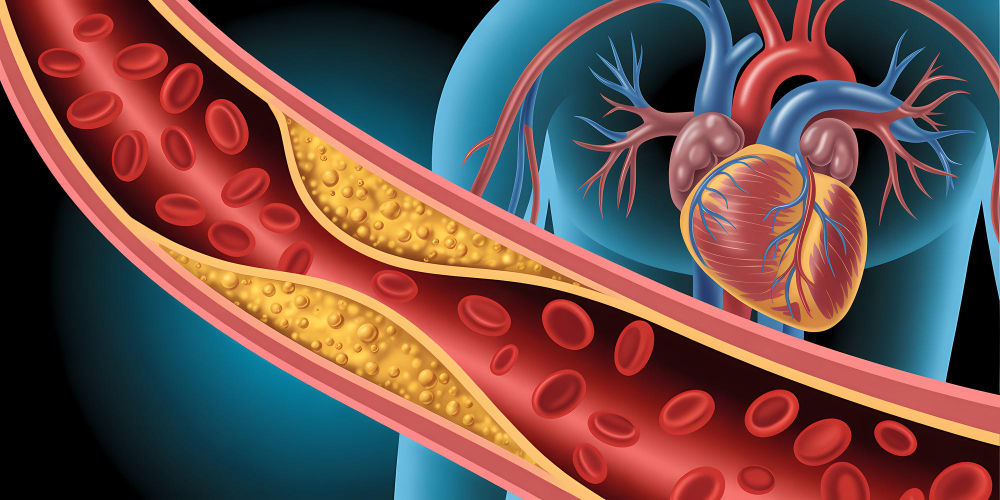
Atherosclerosis occurs when plaque — a combination of fat, cholesterol, calcium, and other substances — builds up inside the walls of your arteries. Over time, this buildup hardens and narrows the arteries, reducing blood flow to vital organs and tissues.
The process begins gradually. You may not notice any symptoms for years. But as the arteries become increasingly blocked, the risk of serious complications — including heart attack and intestinal ischemia — rises sharply.
How Atherosclerosis Affects the Heart
When atherosclerosis develops in the coronary arteries, it restricts blood flow to the heart muscle. This condition is known as coronary artery disease (CAD) and is a leading cause of heart attacks worldwide.
Symptoms of Coronary Artery Disease
Your heart will often give warning signs before a major event. Common symptoms include:
- Chest pain or pressure, especially during physical activity
- Shortness of breath
- Fatigue or weakness
- Irregular heartbeat
- Pain that radiates to the arm, jaw, or back
These symptoms should never be ignored. Early evaluation by a vascular doctor can identify blockages before they become life-threatening.
How Atherosclerosis Affects the Mesenteric Arteries
The mesenteric arteries supply blood to your intestines. When atherosclerosis narrows these vessels, the intestines do not receive enough oxygen — a condition called mesenteric ischemia.
Mesenteric ischemia is less well known than heart disease, but it is equally serious. Without adequate blood flow, intestinal tissue can begin to break down. In acute cases, this becomes a medical emergency.
Symptoms of Mesenteric Ischemia
Recognizing the signs early makes a meaningful difference in outcomes. Watch for:
- Severe abdominal pain after eating
- Unexplained weight loss
- Nausea, vomiting, or diarrhea
- Fear of eating due to anticipated pain
- Abdominal bloating
If you or a loved one experiences recurring abdominal pain after meals, a vascular doctor can determine whether restricted blood flow to the mesenteric arteries is the cause.
What Are the Risk Factors for Atherosclerosis?
Certain conditions and lifestyle factors make atherosclerosis more likely to develop — and more likely to progress quickly. Key risk factors include:
- High blood pressure
- High cholesterol
- Diabetes or insulin resistance
- Smoking
- Obesity
- Physical inactivity
- Family history of heart or vascular disease
- Age (risk increases significantly after 45 in men and 55 in women)
Managing these risk factors does not eliminate the disease, but it can slow its progression and reduce your risk of a serious event.
How Is Atherosclerosis Diagnosed and Treated?
Diagnosis typically begins with a physical exam, blood tests, and imaging studies. A vascular doctor may order an ultrasound, CT angiography, or MRI to assess the extent of arterial narrowing.
Treatment depends on the severity of the blockage and which arteries are affected. Options include:
- Lifestyle changes: A heart-healthy diet, regular exercise, and quitting smoking can all reduce plaque progression.
- Medications: Statins, blood pressure medications, and antiplatelet drugs help manage risk factors and prevent clot formation.
- Minimally invasive procedures: Angioplasty and stenting can open narrowed arteries with a short recovery time.
- Surgical intervention: In severe cases, bypass surgery may be necessary to restore blood flow.
Your vascular doctor will recommend the most appropriate course of action based on your specific condition and overall health.
When Should You See a Vascular Doctor?
You do not have to wait until symptoms become severe to seek care. Earlier evaluation leads to better outcomes.
Seek evaluation at a vascular clinic in Brooklyn if you experience chest pain, recurring abdominal pain after eating, or unexplained weight loss. You should also consider a consultation if you have multiple risk factors — even without symptoms — as atherosclerosis can be present long before it causes obvious problems.
Take the Next Step Toward Vascular Health
Atherosclerosis affects millions of people, but it is a condition that can be managed with the right care and early intervention. Recognizing the symptoms — whether in your heart or mesenteric arteries — and acting on them promptly gives you the best chance of preventing serious complications.
Our vascular clinic in Brooklyn is here to help. Our vascular team provides comprehensive evaluation and treatment for patients with atherosclerosis and related conditions. Reach out today to schedule a consultation by calling 1-347-384-5690 or visit us at 1797 Pitkin Avenue, Brooklyn, New York 11212 to take a meaningful step toward protecting your vascular health.