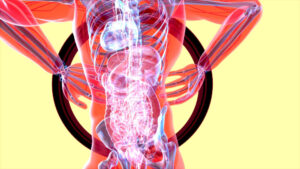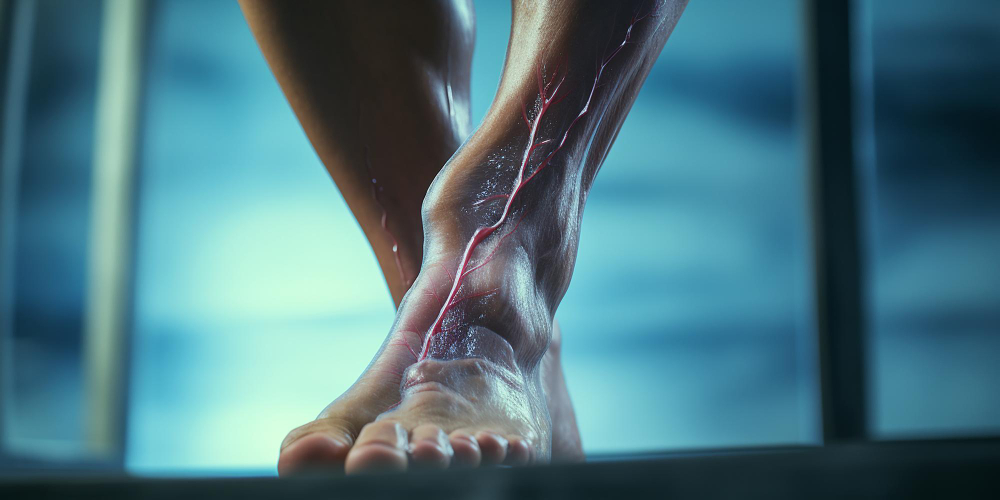
The heat is rising, and so is the aching in your legs. If your loved one has varicose veins, you have likely noticed that warm weather brings heavier legs, more swelling, and pain that lingers into the evening. This is not your imagination.
Summer genuinely makes venous problems harder to manage. Varicose veins, chronic venous disease, and venous insufficiency all respond to temperature, and heat is one of their biggest triggers. The good news is that understanding why this happens gives you real ways to bring comfort back.
You are not stuck with this discomfort. Let’s walk through what heat does to your veins and how to help.
Why Summer Heat Worsens Varicose Veins
Warm weather feels good on your skin, but it does the opposite for damaged veins. Heat causes your blood vessels to widen, a process called vasodilation.
When veins widen, the tiny valves inside them struggle even more to push blood back toward the heart. In healthy legs, these valves keep blood moving upward. In legs affected by venous insufficiency, those valves are already weak, so heat only adds to the strain.
The result is blood pooling in the lower legs. That pooling leads to the swelling, throbbing, and heaviness you feel by day’s end.
Common Summer Symptoms to Watch
Your loved one may notice these signs getting stronger in the heat:
- Swollen ankles and feet: Fluid builds up as circulation slows, often worsening after standing.
- Aching or throbbing legs: Pooled blood creates pressure and discomfort that peaks in the evening.
- Restless or heavy legs: Legs feel tired and hard to move, especially at night.
- Visible spider veins: Small clusters of veins may become more noticeable near the skin’s surface.
If these symptoms sound familiar, you are far from alone. Chronic venous disease affects millions of adults, and it tends to progress with age.
How to Find Relief This Season
The discomfort is real, but so are the solutions. A few simple daily habits can ease the pressure and protect your loved one’s comfort during hot months.
Try these practical steps:
- Elevate the legs: Raising the legs above heart level for 15 minutes helps blood flow back toward the heart.
- Stay hydrated: Water keeps blood thinner and easier to circulate.
- Wear compression stockings: These gently support the veins and reduce swelling throughout the day.
- Keep moving: Short walks activate the calf muscles, which act as a natural pump for your veins.
Home habits matter, but they work best alongside expert guidance. Our in-home care team can help monitor symptoms, assist with compression garments, and support recovery after any procedure. You can explore our vascular health services to see how personalized visits fit your loved one’s needs.
When to Seek Professional Care
Sometimes home care is not enough, and that is okay. Persistent pain, skin changes, or open sores are signs it is time to consult a specialist.
A varicose veins surgeon can evaluate the severity of the condition and recommend the right path forward. For smaller surface veins, spider vein removal treatment offers a gentle, effective option. For deeper issues, a varicose veins surgeon may suggest minimally invasive procedures that treat the root cause.
If you want to understand your options better, our guide on managing chronic leg swelling walks you through what to expect. You can also review the same in-home vascular support that keeps recovery comfortable at home.
You Do Not Have to Manage This Alone
Summer should bring ease, not aching legs. With the right care plan, your loved one can move through the season with more comfort and less pain.
Our Vascular Health team is ready to support your family with flexible, in-home visits tailored to your needs. Reach out today by calling 1-347-384-5690 or visiting us at 1797 Pitkin Avenue, Brooklyn, New York 11212 to speak with our Vascular Health team and take the first step toward relief.