A pulmonary embolism can change everything in a matter of minutes. One moment life feels normal, and the next you or your loved one is fighting to breathe. It is one of the most frightening health events a family can face.
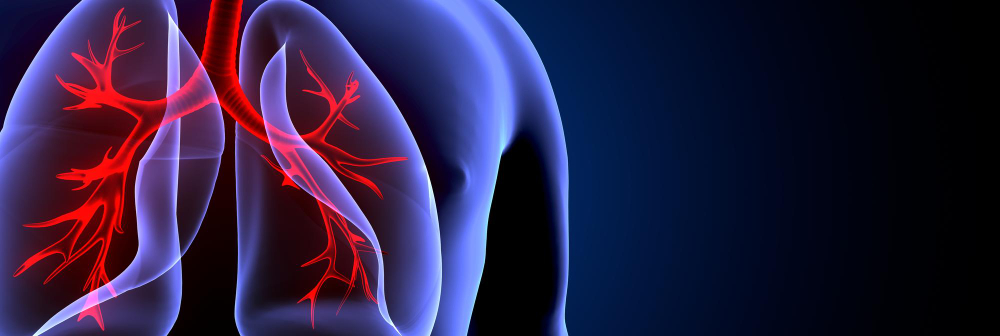
A pulmonary embolism happens when a blood clot travels to the lungs and blocks blood flow. Most clots begin as deep vein thrombosis (DVT), usually in the legs. When part of that clot breaks loose, the results can be sudden and serious.
The good news is that survival is only the beginning. With the right care, recovery is possible. In this guide, you will learn what happens after a clot, how treatments like a thrombectomy work, and how to protect your health going forward.
Understanding What Just Happened
The fear after a pulmonary embolism is real, and it lingers long after you leave the hospital. Many patients feel anxious every time they notice shortness of breath or a twinge in their chest.
That worry makes sense. A clot in the lungs is a life-threatening emergency, and your body needs time to heal.
Understanding the cause helps ease that fear. Knowing what triggered your clot allows you and your care team to prevent another one.
From DVT to the Lungs
Most cases start quietly. A Deep Vein Thrombosis forms deep in a leg vein, often after surgery, long travel, or extended bed rest.
You may notice swelling, warmth, or pain in one leg. If a piece of that clot travels upward, it can lodge in the lungs and cause a pulmonary embolism. Recognizing the early signs of DVT can save a life.
Treatment and the Road to Recovery
The first days after diagnosis focus on stopping the clot from growing. Doctors act quickly to protect your lungs and stabilize your breathing.
Treatment depends on how severe the clot is and how your body responds.
Common Treatment Approaches
- Blood thinners: These medications keep existing clots from growing and prevent new ones from forming.
- Thrombolytics: In serious cases, these “clot-busting” drugs dissolve the blockage faster.
- Thrombectomy: When a clot is large or dangerous, a Vascular Surgeon may perform a thrombectomy to physically remove it. This procedure can restore blood flow when medication alone is not enough.
A skilled Vascular Surgery Doctor guides these decisions with care. Your team will explain each step so you never feel left in the dark.
Life After the Clot
Healing is more than physical. You may feel tired, worried, or unsure about returning to normal activity. That is completely normal.
Recovery takes patience, and you do not have to manage it alone. A Vascular Surgery Doctor can build a personalized plan that fits your pace and your life.
Steps to Stay Healthy
- Take your medications exactly as prescribed.
- Stay active with gentle, doctor-approved movement.
- Watch for warning signs like leg swelling or breathlessness.
- Keep every follow-up appointment with your Vascular Surgeon.
Support at home makes a real difference. Our in-home nursing care helps you manage medications, monitor symptoms, and recover with confidence.
Take the Next Step Toward Recovery
Surviving a pulmonary embolism is a second chance, and protecting that chance starts with expert guidance. You deserve a care team that listens, explains, and stays by your side.
Do not wait to get answers. Reach out to our Vascular Health team today by calling 1-347-384-5690 or visiting us at 1797 Pitkin Avenue, Brooklyn, New York 11212 to build a personalized care plan that supports you every step of the way.