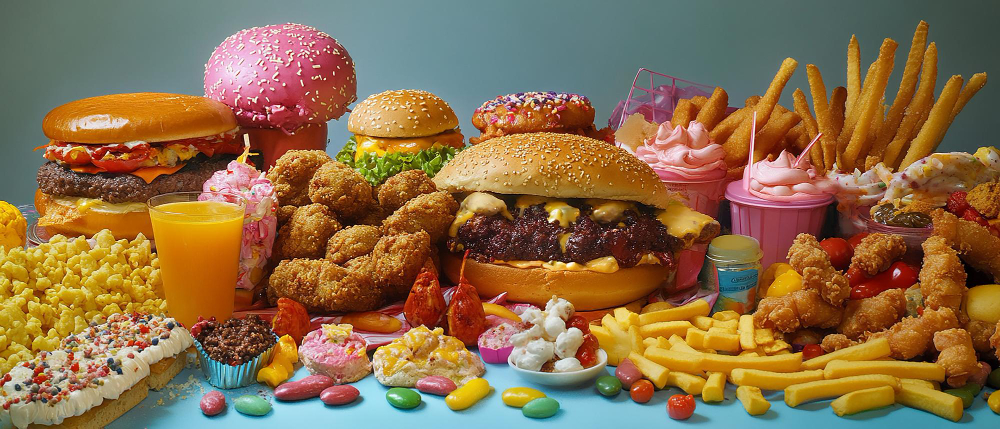
Ultra-processed foods often contain dozens of additives that do not appear on front-of-package labels. Knowing what to look for on the ingredient list helps you make more informed choices about what you eat and reduce your exposure to ingredients linked to long-term health concerns.
Ultra-processed foods make up more than half of the average American diet, according to research published in the BMJ. They are convenient, affordable, and designed to be easy to eat. They are also packed with additives that most people never notice.
The problem is not always obvious. A food can look and taste wholesome while still containing preservatives, emulsifiers, artificial flavors, and sweeteners that have no place in a home kitchen. Knowing the ways to identify hidden additives in ultra-processed foods is one of the most practical steps you can take for your health.
This guide walks you through what to look for, how to read labels more confidently, and when it helps to speak with a nutritionist or nutritional expert in Brooklyn who can help you put these changes into practice.
What Are Ultra-Processed Foods?
Ultra-processed foods are not simply “processed.” All food undergoes some level of processing. Ultra-processed foods go further. They are formulated with ingredients you would rarely find in a home pantry, designed for long shelf life, strong flavor, and mass production.
Common examples include packaged snacks, flavored yogurts, instant noodles, breakfast cereals, sodas, and many frozen meals. The NOVA classification system, developed by researchers at the University of São Paulo, groups foods into four categories based on how extensively they have been processed. Ultra-processed foods sit in category four.
How Can You Identify Hidden Additives in Ultra-Processed Foods?
Reading a food label can feel overwhelming. Most people scan the front of the package and move on. The additives, though, are in the fine print.
What Ingredient List Red Flags Should You Watch For?
A long ingredient list is a signal worth paying attention to. Most whole or minimally processed foods have five ingredients or fewer. When you see a list running to 20 or 30 items, many of those additions are likely additives rather than food.
Watch for:
- Emulsifiers: Carrageenan, polysorbate 80, and soy lecithin keep ingredients from separating.
- Artificial sweeteners: Acesulfame potassium, aspartame, sucralose, and saccharin are common ones.
- Preservatives: Sodium benzoate, BHA, BHT, and potassium sorbate extend shelf life.
- Artificial colors: Listed as Red 40, Yellow 5, Yellow 6, and similar numbered dyes.
- Flavor enhancers: Monosodium glutamate (MSG) and disodium inosinate appear frequently.
How Do Front-of-Package Claims Hide What Is Really Inside?
Claims like “low fat,” “high protein,” or “no added sugar” can direct your attention away from the ingredient list. A product labeled “natural” may still contain synthetic additives. The U.S. Food and Drug Administration does not have a strict legal definition for “natural” on food packaging.
Look past the marketing language. Flip the package over. The ingredient list tells you more than the front ever will.
Why Does Knowing Your Ultra-Processed Food Additives Matter?
Research from the National Institutes of Health links diets high in ultra-processed foods to increased risks of obesity, cardiovascular disease, type 2 diabetes, and certain cancers. Additives are one part of that picture.
Some have been flagged in peer-reviewed research for their potential effects on gut health, inflammation, and metabolic function. A nutritionist can help you understand which additives are most relevant to your personal health history.
Take the Next Step With Our Nutrition Department
Understanding the ways to identify hidden additives in ultra-processed foods is a strong start. Applying that knowledge to your daily eating habits is where real change happens.
Our Nutrition team is here to support you. Our team will review your current diet, explain which ingredients to avoid based on your health goals, and help you build an eating plan that fits your life. Reach out today by calling +1-718-367-2555 or visiting us at 1797 Pitkin Avenue, Brooklyn, NY 11212 to schedule a consultation.