Hearing that a loved one needs bypass surgery can bring on a wave of questions and worry. It is natural to want to understand exactly what happens during heart bypass surgery before the day arrives. Knowing what to expect can ease some of that uncertainty and help you feel more prepared to support your family member through the process.
This guide breaks down the steps of bypass surgery, explains why a cardiologist might recommend it, and walks through what recovery typically looks like. By the end, you should have a clearer picture of the road ahead and know where to turn for expert care close to home.
What Happens During Heart Bypass Surgery?
Bypass surgery, also known as coronary artery bypass graft (CABG), reroutes blood around a blocked or narrowed artery to restore healthy blood flow to the heart. It remains one of the most common and effective treatments for severe coronary artery disease.
Before the Operation Begins
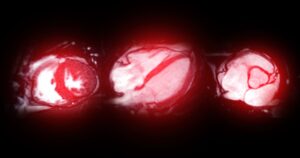
Your loved one’s cardiologist will run tests, including imaging and bloodwork, to map the blocked arteries and plan the safest surgical approach. The surgical team will also review medications and answer any last questions the night before the procedure.
During the Procedure
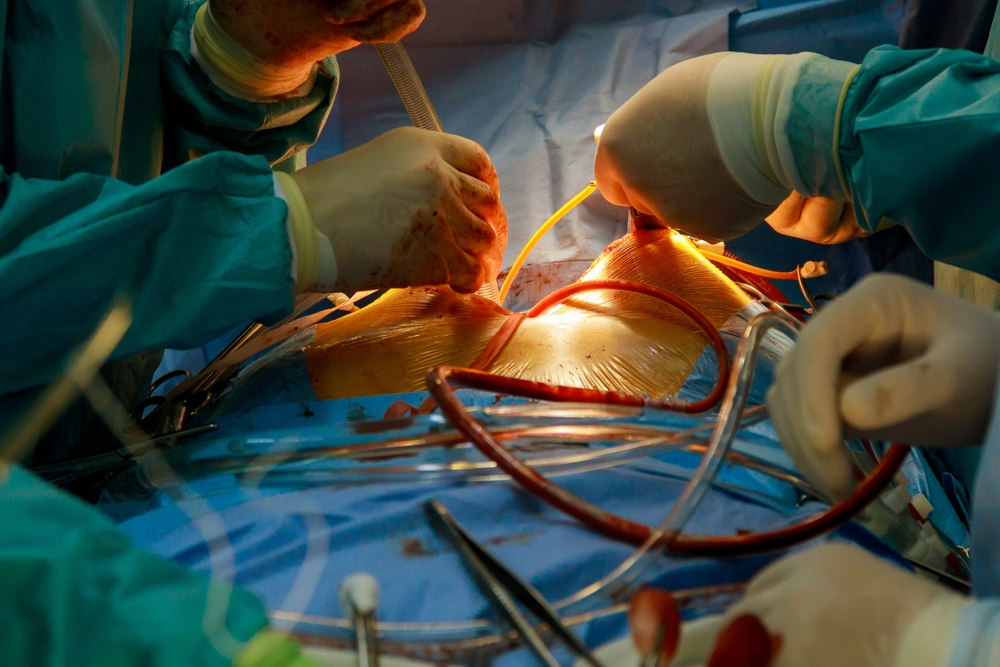
Once your loved one is under general anesthesia, the surgeon takes a healthy blood vessel from another part of the body, often the chest, leg, or arm, and attaches it above and below the blocked artery. This creates a new path for blood to flow, bypassing the blockage entirely. Depending on how many arteries are affected, the surgery can take anywhere from three to six hours.
Why Might a Cardiologist Recommend Bypass Surgery?
Not every case of heart disease requires surgery. A cardiologist typically recommends bypass surgery when other treatments have not resolved the blockage or when the risk of a heart attack is high. Common reasons include:
- Severe artery blockage: Multiple arteries are significantly narrowed, limiting blood flow to the heart.
- Unsuccessful medication or stents: Less invasive treatments have not relieved symptoms or reduced risk.
- Reduced heart function: The blockage is affecting how well the heart pumps blood.
Your family’s cardiologist will weigh these factors alongside overall health before recommending this path forward.
What Does Recovery From Bypass Surgery Look Like?
Recovery is a gradual process, and most patients spend several days in the hospital before continuing to heal at home.
- Hospital stay: Most patients remain hospitalized for four to seven days for close monitoring.
- Gradual activity increase: Walking is encouraged early on, while heavier activity is introduced slowly over several weeks.
- Cardiac rehabilitation: Many patients benefit from a supervised program that rebuilds strength and heart health safely.
Families often see real improvements in energy and comfort as the weeks of recovery progress.
Finding a Cardiology Clinic in Brooklyn for Heart Care
If your family is preparing for bypass surgery or recovering from it, a cardiology clinic in Brooklyn can offer the comfort of nearby, familiar care. Choosing a cardiology clinic in Brooklyn also means shorter travel for follow-up appointments, which matters when energy is still limited during recovery.
Taking the Next Step Toward Heart Health
A bypass surgery diagnosis can feel overwhelming, but understanding what happens during heart bypass surgery often brings real relief. With the right cardiologist guiding each step, your loved one does not have to face this journey alone.
Our Cardiology team is here to guide you when you need bypass surgery and other heart procedures. Reach out to us today by calling +1-718-367-2555 or visiting us at 1797 Pitkin Avenue, Brooklyn, NY 1121 to schedule a consultation and take the first step toward a healthier heart.