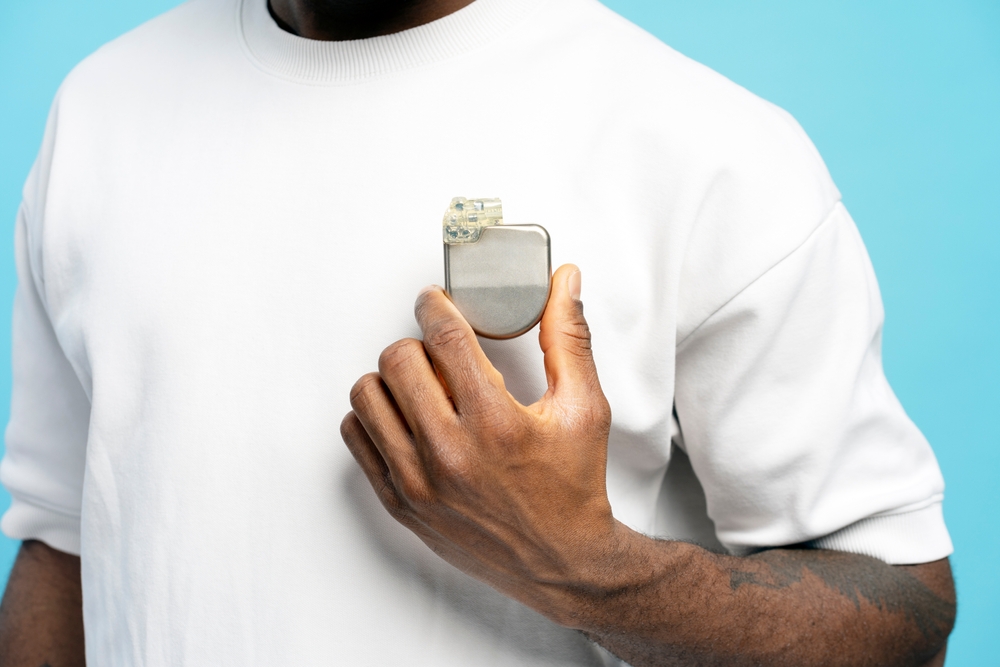
Learning that a loved one needs ICD implantation can feel like a lot to take in at once. You may be wondering what the device does, whether defibrillator shocks are painful, and what safety steps for ICD implantation actually look like once your family member goes home.
Those questions are completely normal. Understanding the process ahead of time can ease some of that worry and help you feel ready to support your loved one through recovery. This guide walks through what happens during the procedure, what to expect from the device itself, and how to keep your loved one safe once they’re settled back at home.
What Is ICD Implantation?
An implantable cardioverter defibrillator, or ICD, is a small device placed under the skin near the collarbone. It monitors heart rhythm continuously and delivers a corrective signal if it detects a dangerous rhythm. A cardiologist typically recommends this device for patients at risk of sudden cardiac arrest, including those with a history of heart failure or previous cardiac events.
Before the Procedure
Your loved one’s cardiologist will review imaging, bloodwork, and current medications to confirm the device is the right fit. Most patients are asked to stop eating several hours before surgery and may need to pause certain blood thinners.
During the Procedure
ICD implantation is usually done under local anesthesia with light sedation, and most patients go home the same day or after one night in the hospital. The surgeon places thin wires, called leads, through a vein and into the heart, then connects them to the device positioned just under the skin. The entire procedure typically takes one to two hours.
What Do Defibrillator Shocks Feel Like?
This is often the biggest source of anxiety for families. Defibrillator shocks are the ICD’s way of correcting a dangerous heart rhythm before it becomes life-threatening.
Many patients describe the sensation as a strong, sudden thump in the chest. It can be startling, but it passes quickly. Not every patient will experience a shock, and some go years without one. If a shock does happen, it means the device did exactly what it was designed to do.
Safety Steps for ICD Implantation Recovery
Following the right safety steps for ICD implantation in the weeks after surgery helps protect the incision site and gives the device time to settle into place.
- Limit arm movement: Avoid raising the arm on the device side above shoulder height for several weeks.
- Watch the incision: Check daily for redness, swelling, or drainage, and call the cardiologist right away if any appear.
- Avoid strong magnets: Keep phones and other electronics a few inches away from the device, and mention the ICD before any MRI scan.
- Know the emergency plan: Keep a card noting the device model, and share it with any new doctor your loved one sees.
Recovery from ICD implantation is usually shorter than open-heart procedures, and most patients return to light activity within a week.
Finding a Cardiology Clinic in Brooklyn for ICD Care
Ongoing follow-up matters just as much as the surgery itself. A cardiology clinic in Brooklyn can offer regular device checks close to home, so your loved one isn’t traveling far during recovery. Choosing a cardiology clinic in Brooklyn also makes it easier to build a lasting relationship with the same cardiologist over time, which brings real comfort during checkups.
Taking the Next Step Toward Heart Safety
ICD implantation can feel like a big step, but it offers real protection for your loved one’s heart. With clear safety steps and the right cardiologist guiding recovery, your family doesn’t have to navigate this alone.
Our Cardiology team is here to guide you when you need ICD implantation and ongoing heart rhythm care. Reach out to us today by calling +1-718-367-2555 or visiting us at 1797 Pitkin Avenue, Brooklyn, NY 1121 to schedule a consultation and take the next step toward lasting heart safety.